For capturing very fine glaze details without changing lenses, a compact camera with a close-up mode is one option to consider. If you want more control over magnification and framing, compare interchangeable-lens cameras with a suitable lens. For consistent colours and repeatable photos, a fixed lighting setup, soft light and controlled white balance are important. A white background alone won’t make the glaze colour true to life.
Who might benefit from this camera guide?
Glaze maker comparing colours
You take photos of test pieces at different times and want to assess colour differences as consistently as possible. A fixed lighting setup, controlled white balance and repeatable framing can help. The Ceramic School and Adobe cover points to consider when managing reflections and white balance.
Ceramicist inspecting surface details
You want to photograph small differences in texture and finish, as well as the whole test piece. The magnification and focusing of the lens you use will affect the crop you can achieve. Canon Netherlands and Nikon Netherlands provide specifications for their dedicated macro lenses.
Maker with a small photography space
You want to take both overview and close-up photos without having to set up a large rig each time. Check whether you can achieve both types of framing from the working distance available. The Consumers’ Association explains the difference between compact cameras with a fixed lens and cameras with interchangeable lenses; Sony Netherlands lists different focusing distances at different zoom settings for the RX100 VII.
What should you look for when choosing?
Start with the phone you already have
Choose this if: you mainly need overview photos and want to start by trying a fixed setup. The Ceramic School and Canon Europe cover points to consider when taking product photos and keeping framing consistent.
Consider: check at your actual working distance whether small details appear sharp and large enough in the frame.
Compact camera with a close-up mode
Choose this if: you want to photograph small details without attaching a separate lens; OM SYSTEM lists close-up modes for the Tough TG-7.
Consider: the lens is fixed to the camera, so also check whether you can fit the whole test piece in the frame from your workspace.
Compact camera with zoom
Choose this if: you want to capture an overview and different crops with a single fixed lens; the Sony RX100 VII has built-in zoom.
Consider: Sony Netherlands lists a focusing distance of around 8 cm at wide angle and around 100 cm at telephoto for this model, measured from the front of the lens.
Interchangeable-lens camera with a suitable lens
Choose this if: you regularly photograph test pieces and want to choose a lens with the magnification you need.
Consider: Canon Netherlands lists a maximum magnification of 1:2 for the separate RF 35mm F1.8 MACRO IS STM; Nikon Netherlands lists 1:1 for the separate NIKKOR Z MC 50mm f/2.8. These specifications don’t automatically apply to a standard kit lens.
| What to consider |
What to look for when buying |
Who should consider this most? |
| True-to-life glaze colour |
Check whether you can set or adjust the white balance, and take a photo with a neutral reference under the same lighting. |
When I compare glazes at different times, I want the lighting conditions to stay as similar as possible; around 33% of consumers put colour comparison first. |
| Sharp close-ups |
Consider both magnification and focusing distance for the crop you want to take; check that you can position the camera and lighting accordingly. |
If you want to inspect small differences in texture or finish, focus on the detail crop; around 27% of consumers prioritise sharp close-ups. |
| Repeatable photos against a white background |
Check whether you can keep the camera in the same position and use soft light to reduce harsh reflections. |
When taking a series of test photos, I want to keep the framing and lighting consistent; around 20% of consumers prioritise a repeatable setup. |
| Simplicity and equipment |
Compare what you already have with the camera, lens, support and lighting you’ll need; check which lens is actually included in a kit. |
If my photography space is small, I want to know how much extra equipment I’ll need; around 20% of consumers make simplicity and a suitable setup their main priority. |
Common pitfalls
-
Mistaking a white background for a reliable colour reference
White balance also affects how glaze colour appears, while reflections on glossy ceramics can hide surface details.
Use consistent lighting, take a photo with a neutral reference and check for reflections before judging a camera on colour reproduction alone.
Changing light can cost you extra time if you have to take photos again or correct the colours.
-
Confusing a camera body or standard kit with a macro setup
The magnification of a dedicated macro lens doesn’t automatically apply to the zoom lens supplied with a camera kit.
Check everything included in the kit and the magnification of the specific lens you plan to use.
You may need a separate lens to get the close-up capability you want.
-
Assuming the closest focusing distance applies at every zoom setting
The listed focusing distances for the Sony RX100 VII differ between wide angle and telephoto.
Test focusing and framing together at the zoom setting you plan to use for your test piece.
Camera brands to compare
OM SYSTEM
The Tough TG-7 is a compact camera with a fixed lens. OM SYSTEM lists macro photography modes and RAW shooting among this model’s features.
- A built-in close-up mode is worth considering if you don’t want to change lenses.
- The fixed lens limits your choice of lenses; also check whether the whole test piece fits in the frame.
Canon
The EOS R50 has an RF mount. Canon lists the RF 35mm F1.8 MACRO IS STM as a separate compatible lens for close-ups.
- Canon gives this separate lens a maximum magnification of 1:2.
- The EOS R50 kit mentioned comes with an RF-S 18-45mm lens; the 1:2 specification doesn’t apply to that kit lens.
Nikon
The Z50II is an interchangeable-lens camera. The NIKKOR Z MC 50mm f/2.8 is a separate Z lens for macro photography.
- Nikon lists a magnification of 1:1 for this macro lens.
- This lens specification doesn’t tell you what a standard Z50II kit can do; consider your chosen lens and lighting separately.
Sony
The RX100 VII is a compact camera with built-in zoom, suited to anyone who wants to take different crops without changing lenses.
- Sony lists a focusing distance of around 8 cm at wide angle and around 100 cm at telephoto, measured from the front of the lens.
- The focusing distance at one zoom setting doesn’t show whether you can achieve the same detail crop at another setting.
Panasonic
The LUMIX G97 is a Micro Four Thirds interchangeable-lens camera worth comparing if you want to explore a fixed setup and a choice of lenses.
- Panasonic lists a free-angle monitor and body and lens image stabilisation under specific conditions.
- The body mentioned doesn’t include a lens, so also consider which close-up lens and kit you choose.
Cameras at Joybuy
This selection of Joybuy products includes compact zoom cameras and interchangeable-lens cameras. Check whether the features listed for each model suit your glaze photography.
 No image available
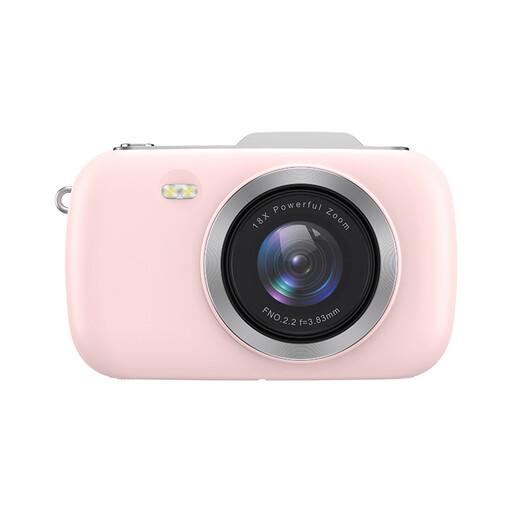
KOMERY G7-A 4K camera with 18X zoom, pink
A compact zoom camera could suit you if you want to try different crops with a single fixed lens; check that it can focus at close range from your working distance.
The product name lists 4K, 80MP and 18X zoom.
View at Joybuy
 No image available
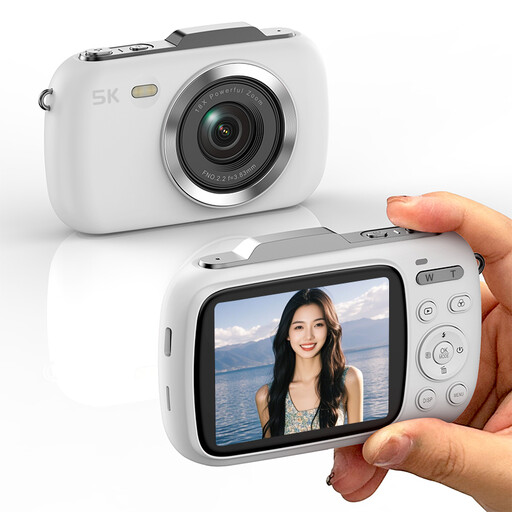
KOMERY G7 5K camera with 18X zoom, white
A camera with fixed zoom could be worth considering if you want to take overview shots and different crops with one device; check the focus and framing for your test piece.
The product name lists 5K, 80MP and 18X zoom.
View at Joybuy
 No image available
DJI Osmo Pocket 3
This compact model could suit you if a small setup is important; check that its controls and composition options work for still photos of glaze test pieces.
The product name lists a 1-inch CMOS sensor, 4K/120fps video, 3-axis stabilisation and a 2-inch rotating screen.
View at Joybuy
 No image available
Sony ZV-E10 + 16-50mm zoom lens, black
The interchangeable lens could suit you if you want to try different framings; check that the supplied lens can take the close-ups you need.
According to the product description, the kit includes a 16-50mm zoom lens. It also lists a Product Showcase setting that shifts focus from a face to an object. An SD card isn’t included.
View at Joybuy
Frequently asked questions
Will a white background automatically make the glaze colour true to life?
No. Adobe explains that white balance affects every colour in a photo. Take a photo with a neutral reference under the same lighting, and watch out for reflections on glossy ceramics too.
How can I make a series of glaze tests easier to compare?
Keep the camera, crop, background and lighting as consistent as possible. Canon Europe describes a tripod as a way to keep framing consistent; The Ceramic School discusses using soft light to reduce reflections on ceramics.
Is an interchangeable-lens camera with a kit lens automatically suitable for macro details?
No. Check the magnification of the specific lens included in the kit. The Canon EOS R50 kit mentioned comes with an RF-S 18-45mm; Canon lists a maximum magnification of 1:2 for the separate RF 35mm macro lens, not for that kit lens.
What rules apply when buying a camera online in the Netherlands?
According to ACM ConsuWijzer, with an ordinary online consumer purchase you generally have a statutory 14-day cooling-off period after delivery; exceptions may apply. You’re also entitled to a product that, under normal use, does what you could reasonably expect. This right is not the same as a fixed manufacturer’s warranty period.


