Start by thinking about how you want to light faces in bright sunlight and the framing you need. Then choose a camera body. The right portrait lens and, for harsh shadows, a practical way to add light matter more than a high megapixel count alone. For assignments, also compare the viewfinder, autofocus, storage and the weight of the full kit.
Who is this camera gear for?
Location portrait photographer
You photograph people in harsh sunlight and want to control shadows on their faces. So think about how you’ll manage the light and which equipment suits your approach; Canon Europe discusses additional lighting for outdoor portraits.
Business headshot photographer
You take professionally framed headshots on a regular basis and need a suitable lens, along with a practical approach to focusing and storage. Canon Netherlands discusses portrait lenses; the Dutch Data Protection Authority explains when the GDPR applies to professional or commercial imagery.
Mobile portrait photographer
You travel between shoot locations and weigh the combined weight of your camera, lens and any lighting against the gear you need. The Consumers’ Association recommends assessing the camera and lens together.
What should you look for when buying?
Working with available light
Choose this if: you can move your subject or the background and want to work without an additional flash.
Bear in mind: harsh sunlight can create deep shadows on faces; a different camera body or more megapixels won’t fix this on its own.
Using flash in bright sunlight
Choose this if: you need to shoot in direct sunlight and want to actively fill in shadows.
Bear in mind: your camera, flash and any trigger must all support the synchronisation mode you need; the extra gear adds setup time and weight to carry.
Compact camera with a fixed lens
Choose this if: portability and a fixed lens matter more to you than the flexibility to choose a different portrait lens.
Bear in mind: before buying, check that the angle of view and options for additional lighting suit your headshots.
| Consideration |
What should you check? |
Who is this important for? |
| Lighting faces in harsh sunlight |
Decide whether you can move your subject or need additional light. If using flash, check that the camera, flash and any trigger are compatible with the synchronisation mode you need. |
When I’m working on location in harsh sunlight, I want to know in advance how I’ll fill in shadows on faces and whether my flash kit will work together. Around 33% of consumers prioritise control over lighting. |
| Lens and framing |
First decide between a tight headshot and a portrait that includes the surroundings. Then check the focal length, aperture and lens mount of the combination. |
When I want to choose the framing, I compare the angle of view and lens before choosing a body. Around 27% of consumers prioritise portrait framing. |
| Workflow during assignments |
Check the autofocus features of the exact model, how many card slots it has and whether its storage options suit your backup workflow. |
When a portrait shoot would be difficult to repeat, I want to plan my focusing and storage workflow in advance. Around 20% of consumers prioritise reliability on assignments. |
| Portability of the full kit |
Compare camera body weights using the same measurement basis, and include the weight of your lens and any lighting. Check whether the version you’re considering includes the body only. |
When I’m travelling between locations, I want to know how much the full kit weighs and which items I’ll need to take with me. Around 20% of consumers prioritise portability. |
Buying pitfalls to avoid
-
Comparing camera bodies alone and forgetting the portrait lens
The lens and sensor both contribute to the photograph, and a tight headshot calls for a different angle of view from a portrait that shows the surroundings. According to the Consumers’ Association, the lens and sensor work together to affect the image; Canon Netherlands discusses different focal lengths for portraits.
Choose your preferred framing and lens mount first. Then check that the lens is compatible with the camera and included in the version you’re considering.
A camera body deal may not include a suitable lens, so make sure you factor the lens into the full kit you’re comparing.
-
Assuming every flash works with every camera
Canon’s example of shooting portraits in sunlight uses a specific combination of camera, flash and trigger. It doesn’t confirm that other combinations support the same synchronisation mode.
Check the support and connections for the complete setup, rather than relying on a standalone mention of high-speed synchronisation.
A compatible flash and, if needed, a trigger mean extra equipment and setup time.
-
Mistaking a light camera body for a lightweight location kit
Manufacturers may quote camera body weights using different measurement methods, and the lens may not be included in that figure.
Add up the components in your own kit and compare only weights quoted on the same basis.
A lens, additional lighting, cards and batteries all add to what you need to carry.
Camera brands to consider for headshots
Canon
Canon offers examples of a lightweight full-frame body, portrait lenses and a separate flash setup for sunny locations.
- Canon Netherlands lists subject recognition and autofocus for the EOS R8.
- Canon discusses different lenses for portrait framing.
- The EOS R8 has one UHS-II SD card slot. Canon’s example of high-speed synchronisation in sunlight uses an EOS R3 with a Speedlite EL-1; don’t assume this feature is available on the EOS R8 or with another flash without checking.
Nikon
The Nikon Z6III is a full-frame camera for photographers who frame shots through an electronic viewfinder in bright light.
- Nikon lists a viewfinder brightness of 4000 nits and a resolution of 24,5 MP for the Z6III.
- The visibility claim comes from Nikon. Assess the lens and any flash setup separately.
Sony
The α7 IV, model ILCE-7M4, is a full-frame camera with interchangeable E-mount lenses for those putting together their own portrait kit.
- Sony Netherlands specifies approximately 33,0 effective megapixels.
- That resolution specification doesn’t prove the camera will produce better headshots in harsh sunlight. Consider your chosen lens and lighting too.
Fujifilm
The APS-C X-T5 is an option if you want to build a portrait kit with interchangeable X-mount lenses.
- Fujifilm lists a 40,2 MP sensor; Kamera Express lists the X-T5 as a body-only option.
- Compare the angle of view, lens and complete kit. Megapixels or camera body weight alone don’t determine how suitable a kit is for portraits.
Panasonic
The full-frame LUMIX S5II, model DC-S5M2, is a hybrid camera to consider if you’re weighing up photography and video.
- Panasonic specifies 24,2 MP and Phase Detection AF.
- Panasonic lists a body-only weight of approximately 657 g and states that a lens isn’t included. Manufacturer autofocus claims aren’t an independent portrait test.
Joybuy cameras for location shoots
The options below are compact digital cameras whose product names refer to photography, travel or vlogging. Check whether each model’s angle of view and any additional lighting options suit professional headshots in bright daylight.
 No image available
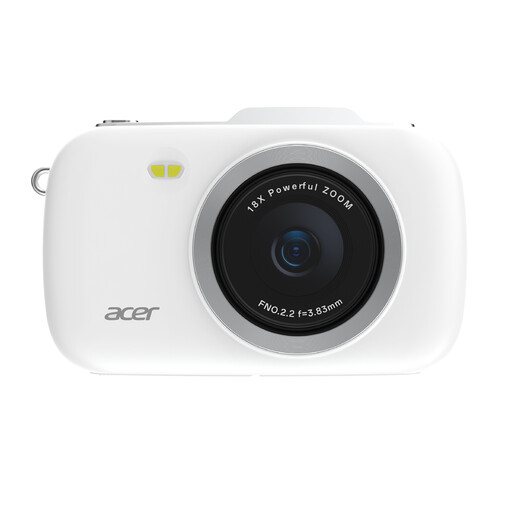
KOMERY G7-A 4K digital camera, white
For anyone who wants to take a portable point-and-shoot camera to location shoots; check whether its angle of view and approach to lighting suit the headshots you have in mind.
The product name lists 80MP UHD and 18X zoom. According to the product information, an SD card isn’t included.
View at Joybuy
 No image available
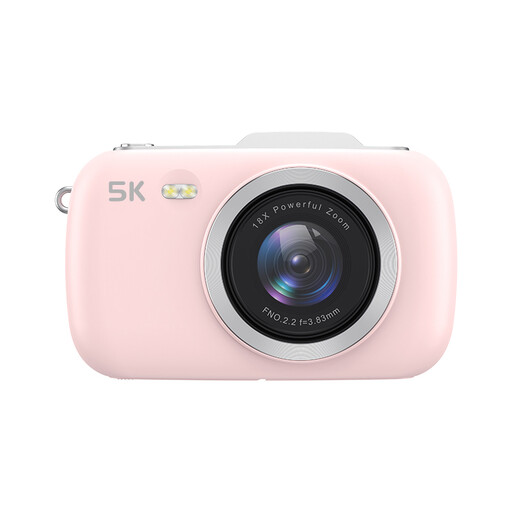
KOMERY G7 5K digital camera, pink
For anyone looking for a portable point-and-shoot camera for location shoots; check beforehand whether its angle of view is suitable for tight headshots.
The product name lists 80MP UHD and 18X zoom. An SD card isn’t included.
View at Joybuy
 No image available
Songdian pocket camera, pink
For anyone who wants to take a pocket camera to location shoots; check whether the stated zoom and your lighting setup suit your preferred framing.
The product name lists 4K, 44MP and 16X zoom. According to the product information, a microSD card isn’t included.
View at Joybuy
 No image available
Sony ZV-1 compact camera
For anyone considering a compact camera with eye autofocus; check whether the stated lens range and lighting options suit the headshots you have in mind.
The product information lists Eye autofocus, a focal length of 24–70 mm and a maximum aperture of f/1.8–2.8.
View at Joybuy
Frequently asked questions
Is a camera with lots of megapixels enough for professional headshots?
No. A high megapixel count alone doesn’t determine whether a camera is suitable for your headshots. The Consumers’ Association highlights the combined role of the lens and sensor; Canon discusses different focal lengths for portrait framing. A megapixel count won’t solve deep shadows on faces caused by harsh sunlight.
What should I check if I want to use fill flash in bright sunlight?
Check that your specific camera, flash and any trigger support the synchronisation mode you need. Canon’s example in direct sunlight uses an EOS R3 and Speedlite EL-1; for wireless control, Canon lists an ST-E10. That setup doesn’t prove that other combinations are compatible.
How do I assess service and warranty for my camera gear?
Check what the seller provides with your chosen camera, lens and accessories, and which terms apply to your purchase. According to the Dutch government, there’s no fixed statutory warranty period in the Netherlands; if a product is faulty, the seller must provide a solution. An extended warranty may be relevant if it offers additional rights. Check the terms for business use separately.
Can I take and publish recognisable business headshots without further consideration?
No. According to the Dutch Data Protection Authority, professional or commercial images of identifiable people are subject to the GDPR and require an appropriate legal basis, such as consent. For employee photos, the regulator says consent is the legal basis in most cases. Establish the legal basis and intended use for the specific assignment.


