
Camper looking for frost details
You want to capture tiny crystals or patterns in close-up, so you compare close-up capability, magnification and focusing.


If you want to photograph frost on a cold camping trip without changing lenses, look for a compact camera with a suitable close-up mode. If you’d like more control over magnification and focus, a mirrorless camera with a suitable macro lens could be a better fit. First, compare the operating temperature of the exact camera model, then check its close-up capability or lens magnification, the weight and all the components in the complete set. A weather-resistant camera body doesn’t automatically mean that a lens or battery is suitable for every winter condition.
You want to capture tiny crystals or patterns in close-up, so you compare close-up capability, magnification and focusing.
You want to take photos outdoors in the cold without carrying unnecessary equipment, so you check the stated operating temperature and the weight of the complete set.
You want to keep several parts of a stationary pattern in focus, and can use a support or tripod and, if needed, focus stacking to do so.
The right camera depends mainly on what matters most to you: capturing tiny details, taking photos in freezing conditions, keeping the whole pattern in focus or travelling with a lightweight complete set.
| What to consider | What to look for | Who will find this important? |
|---|---|---|
| Capturing frost details in close-up | Compare a compact camera’s close-up capability with the magnification, mount and working distance of a specific macro lens. | I want to get tiny crystals large in the frame, so I look beyond just the minimum focusing distance. Around 36% of consumers say magnification and precise focusing are their top priority. |
| Working in freezing conditions | Compare the expected outdoor temperature with the operating limit of the exact model; check the body, lens and battery separately. | On a cold camping morning, I want to know whether my camera is within its stated temperature range. Around 29% of consumers put proven suitability for cold conditions first. |
| Keeping the whole pattern in focus | Check the model’s focusing features and whether a stable support is suitable for where you’ll be taking photos. | I want to keep more of a stationary frost pattern in focus, so I can take time to set up a stable shot. Around 21% of consumers say control over focus and set-up is their top priority. |
| Weight of the complete set | Include the camera, lens and any support in your calculations, and check which battery and accessories are included with the set. | I want to carry as few separate items as possible on a camping trip, so I compare the weight of the complete set. Around 14% of consumers prioritise portability and simplicity. |
The stated temperature range can vary from one camera body to another. The body’s specification doesn’t automatically mean that an attached lens or battery is suitable in the same conditions.
Compare the operating temperature of the exact camera model with the conditions you expect to photograph in, and check each separate component too.
A camera body or kit lens alone doesn’t guarantee the magnification you need for tiny frost patterns. You may also need a stable support for focus stacking.
Check the lens mount, the magnification of your chosen lens and which components are included with the set.
The usable close-up distance may depend on the zoom setting. A short focusing distance and the maximum magnification of a separate macro lens are also two different specifications.
Check whether the pattern will appear large enough at your preferred zoom setting, while leaving enough space around it in the frame.
The Tough TG-7 offers a fixed-lens option; the OM-5 Mark II is a mirrorless camera for which you’ll need to choose a suitable lens.
Z mirrorless cameras let you choose a compatible macro lens separately, such as the Z DX MC 35mm f/1.7 for a Z DX camera.
The EOS R50 is a mirrorless camera body that can be paired with compatible RF lenses for close-up photography.
The RX100 VII is a compact camera with a fixed zoom lens, suited to anyone who wants to photograph other subjects as well as details.
These Joybuy cameras are general options to take on a camping trip; for frost photography, check each model’s close-up focusing capability and stated operating temperature.
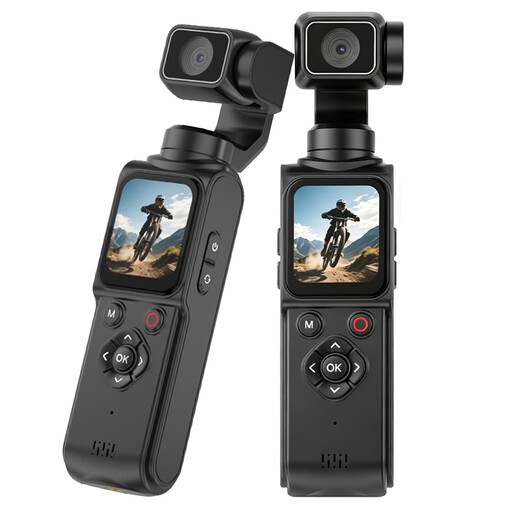 No image available
The product description states that it weighs 84 g and includes a mini tripod for use on the go. Check its close-up focusing capability and operating temperature before choosing this camera for frost photography.
The product name mentions a 330° rotating lens and a 1.72-inch touchscreen.
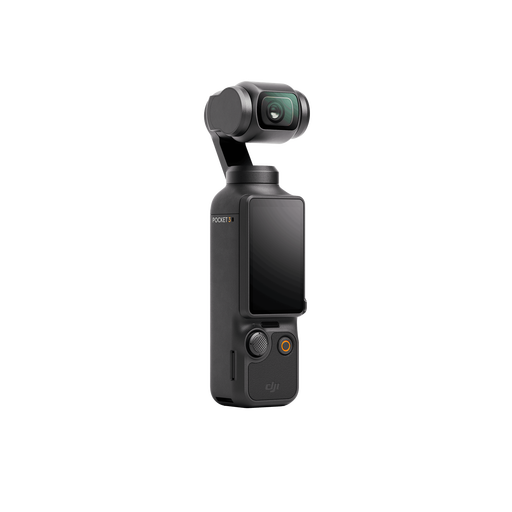 No image available
The product description mentions a compact design and a weight of 179 g. For tiny frost details, check this model’s close-up focusing capability and operating temperature.
The product name mentions a 1-inch CMOS sensor and 4K video at 120 fps.
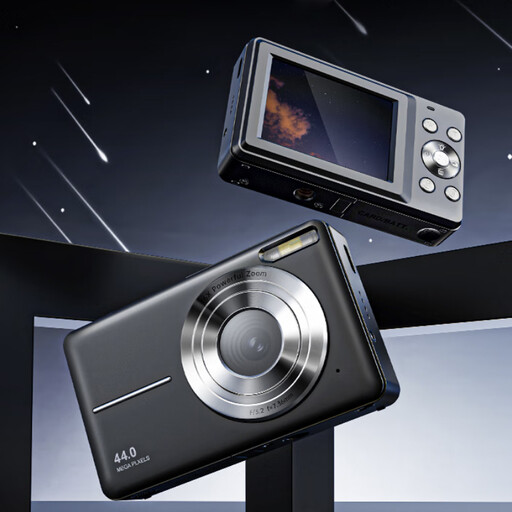 No image available
The product name describes this model as a pocket camera for photography and video. Check whether its close-up focusing capability and operating temperature are suitable for frost photography on your trip.
The product name mentions 16X Zoom.
 No image available
The product description lists a weight of 343 g for the body and a 16–50 mm lens; compare the weight of the complete set for your camping trip.
The product description warns against exposure to moisture. Check the operating conditions and close-up focusing capability before using this combination outdoors to photograph frost.
No. Also compare the maximum magnification and the framing you want: OM SYSTEM states that the TG-7 can focus from 1 cm away in microscope mode, while Canon specifies a maximum magnification of 1:2 for its separate RF 35mm macro lens. These are different specifications.
For a stationary pattern, you can use a stable support and, if your camera supports it, take a series of shots at different focusing distances. Canon describes focus stacking as combining shots like these and recommends a sturdy tripod to minimise movement between images.
Nikon recommends taking a spare battery for winter photography and keeping it warm, as cold affects batteries. Check which batteries are compatible with your camera model.
You may do. According to ACM ConsuWijzer, statutory consumer guarantees apply alongside any manufacturer’s warranty for as long as you could reasonably expect the product to work properly. If a fault falls within these conditions, the seller is responsible for providing a solution at no cost; there isn’t one fixed period that automatically applies to every camera.
For a standard online consumer purchase, ACM ConsuWijzer says you generally have a statutory cooling-off period of up to 14 days after delivery. Check the applicable terms and exceptions before buying.