What should you look for when buying?
First, decide how small a detail you want to show. Then compare complete camera setups and consider how you’ll manage artificial light, reflections and a steady composition.
Compact camera with macro mode
A good fit if: you want to photograph both a whole fountain pen and its details without a separate lens; the OM SYSTEM TG-7 has Microscope and Super Macro modes.
The trade-off: the lens is fixed. OM SYSTEM lists a 12-megapixel sensor; the short minimum focusing distance alone doesn’t tell you whether it will capture the composition you want.
Mirrorless camera with macro lens
A good fit if: small engravings or nib details are your priority and you want to choose the lens and shooting distance.
The trade-off: check the mount and which lens is included in the box. Canon lists a maximum magnification of 1:2 for the RF 35mm F1.8 Macro IS STM; Nikon and Sony list 1:1 for the macro lenses mentioned. These are specifications for the individual lenses, not the results of a comparison test.
| What to consider |
What should you check? |
Who is this important for? |
| Small details |
Check the maximum magnification of the exact lens and whether it can capture the composition you want. Focusing becomes more difficult at close range. |
If I mainly want to show a nib, engraving or surface texture, I focus on what the lens can actually capture; around 33% of consumers put sharp, sufficiently large images of small details first. |
| Colour and reflections |
Check that white balance is adjustable and that the camera can shoot RAW. Also allow space for soft lighting and a stable setup. |
If I need consistent colours and manageable highlights on a glossy pen under artificial light, this matters a lot; around 27% of consumers prioritise colour and reflections under artificial light. |
| A practical setup |
A compact camera has a fixed lens; with a mirrorless camera, check the mount and the included lens. Consider whether a tripod will fit in your workspace. |
If I often take both overview and detail shots, I want a workflow I can easily repeat; around 20% of consumers prioritise a simple, repeatable setup. |
| Complete kit |
Check whether you’re buying a body or a kit, which lens is included and what magnification it offers. Factor in any lighting equipment and a tripod you’ll need, too. |
If I want to know in advance whether the complete setup can handle my photos, I look beyond the camera body; around 20% of consumers put the cost and completeness of the kit ahead of other purchasing concerns. |
Cameras at Joybuy
These product choices are related to cameras for photography. For fountain pen photos, check separately whether the camera and lens are suitable for the close-ups you want, and how to adjust the white balance and lighting.
 No image available
Komery W6 64 MP camera with 12× optical zoom
If you want to try different compositions, the product name lists 12× optical zoom. Check separately whether the camera offers the macro shots and artificial light settings you need.
Joybuy
 No image available
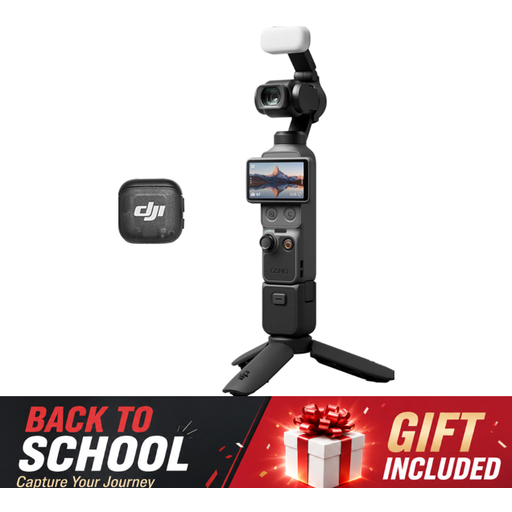
DJI Osmo Pocket 3 Creator Combo
If you’re considering this model for still fountain pen photos, check whether it meets your needs for close-ups and artificial light. The product name specifies the Creator Combo; compare what’s included with the version without this designation.
The product name lists a 1-inch CMOS sensor and 4K/120fps video.
Joybuy
 No image available
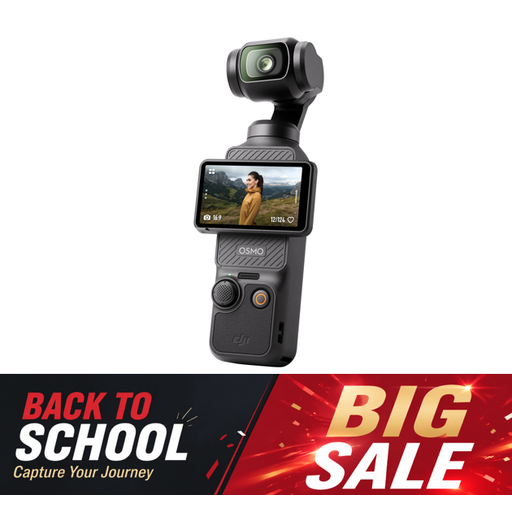
DJI Osmo Pocket 3
If you’re considering this model for still fountain pen photos, check whether it meets your needs for close-ups and artificial light. The product name distinguishes this version from the Creator Combo.
The product name lists a 1-inch CMOS sensor and 4K/120fps video.
Joybuy
 No image available
Sony ZV-E10 + 16–50mm zoom lens, black
The product name lists a 16–50mm zoom lens for different focal lengths and compositions. Check whether the lens offers the magnification you need for nib details.
Joybuy
 No image available
Sony Alpha A6100 + 16–50mm f/3.5–5.6 OSS II
The product name lists a camera with a 16–50mm kit lens. Check whether the included lens offers the magnification you need for close-ups and which settings you’ll need for artificial light.
Joybuy
Frequently asked questions
Do I need a macro lens to photograph a whole fountain pen?
Not necessarily: first check whether the whole pen will fit in the frame with your chosen lens. For a small engraving or nib, the maximum magnification of the exact lens matters more than the camera body alone.
How do I get started with photography under artificial light?
Set up the camera and pen on a stable surface, soften any harsh light and check the white balance with a test shot. Shooting RAW gives you room to adjust the white balance later, but check reflections while setting up the lighting, too.
How can I keep product photos consistent?
Keep the setup, background and composition the same, and check that the lens and pen are clean before you start a series. Canon UK explains how a tripod helps achieve consistent composition.
What should I check when buying a mirrorless camera?
Check whether you’re buying a body, a kit zoom or a bundle with the macro lens you want. Find out which parts are included in the box and how faults are handled; the manufacturer’s warranty is separate from your statutory consumer rights.
What is the cooling-off period for buying a camera online?
According to the Dutch government, when you buy online from a business, you’ll often have a 14-day cooling-off period; the seller must provide information about this period, among other things. This doesn’t apply without exception to every transaction, such as a purchase from a private individual.


