What should you look for when choosing?
First decide between a fixed lens for a compact setup and an interchangeable-lens system for more choice. Then work out how much magnification you need for details. Field Guide for Ceramic Artisans recommends diffused light, Orbitvu explains how unwanted reflections can appear on smooth ceramics, and Ceramic Arts Network recommends a neutral background.
Compact camera with fixed lens
Best for: photographing mainly complete pieces while keeping the amount of separate equipment to a minimum. Canon Netherlands specifies that the PowerShot G7 X Mark III has a fixed zoom lens with a 24–100 mm full-frame equivalent focal length.
Trade-off: the fixed lens limits your options if you later need a different working distance or more magnification.
Mirrorless camera with standard zoom
Best for: setting up a dedicated photography space and possibly choosing a different lens later. Nikon describes a Z50II kit with a DX 16–50mm zoom; Canon specifies an RF mount for the EOS R50.
Trade-off: check exactly what’s included in the kit; a standard zoom doesn’t automatically come with a macro lens.
Mirrorless camera with separate macro lens
Best for: capturing small engravings, glaze textures or maker’s marks at large scale. Nikon specifies 1:1 magnification for its separate NIKKOR Z MC 50mm f/2.8.
Trade-off: at the focusing position described by Nikon, the front of the lens is around 5 cm from the subject, leaving less room to light a pot.
Rugged compact camera
Best for: taking photos on location regularly, when protection from dust, damp and knocks is important. OM SYSTEM lists these features for the Tough TG-7.
Trade-off: consider the fixed lens and stated 12 megapixels in relation to the cropping you want; you may not need a rugged camera for a permanent indoor setup.
| What to consider |
What should you check? |
Who is this important for? |
| Colour and reflections |
Check the white balance and take a test shot of your pottery in diffused light. |
If I’m photographing glazed pieces for a catalogue, I want to control the colours and reflections. Around 36% of consumers say colour and reflections are their top priority. |
| Framing and details |
Check the focusing distance and magnification of the exact lens for both a whole pot and small details. |
If I also want to capture a maker’s mark or glaze texture clearly, the lens needs to be up to the job. Around 29% of consumers prioritise these details. |
| Portability |
Compare the complete setup and consider whether you’ll be taking photos at a market or using a permanent setup. |
If I’m going to a craft market, I want to carry my camera easily and set it up quickly. Around 21% of consumers prioritise portability and ease of setup. |
| What’s included in the kit |
Check which lens and essential accessories are included with each offer, and what you’ll need to buy separately. |
When putting together my photography kit, I want to know exactly what I’ll get and what else I’ll need. Around 14% of consumers prioritise having a complete kit. |
Camera options on Joybuy
Related camera options on Joybuy to consider for pottery photography.
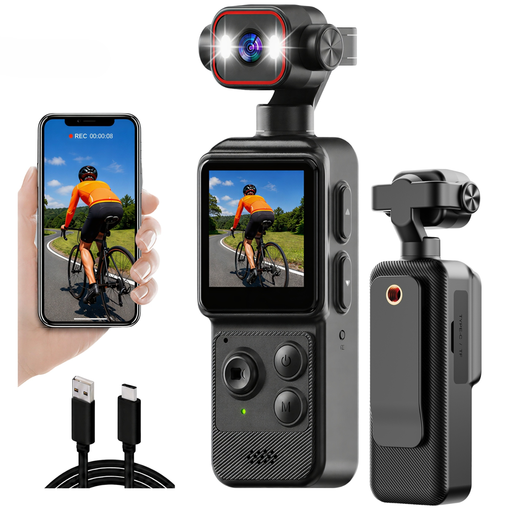 Image unavailable
Mini Action Camera 4K with Clip
The product name mentions a clip and a 1.54-inch screen; check whether this model is suitable for still product photography and the framing you want.
The product name mentions 4K and a 140° field of view.
Joybuy
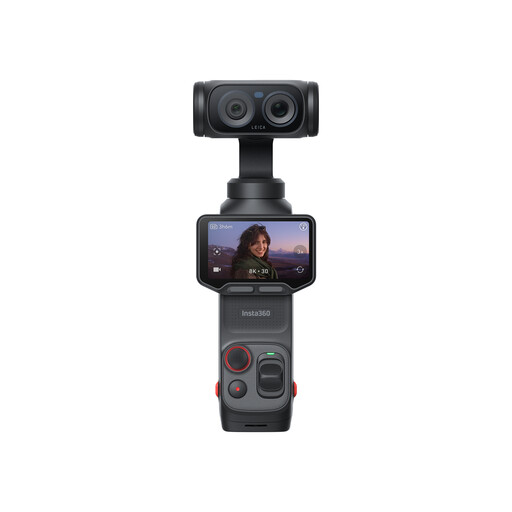 Image unavailable
Insta360 Luna Ultra Standard Bundle Cosmic Black
The product name identifies this as a Standard Bundle in Cosmic Black; check what’s included and whether the camera suits the way you photograph pottery.
Joybuy
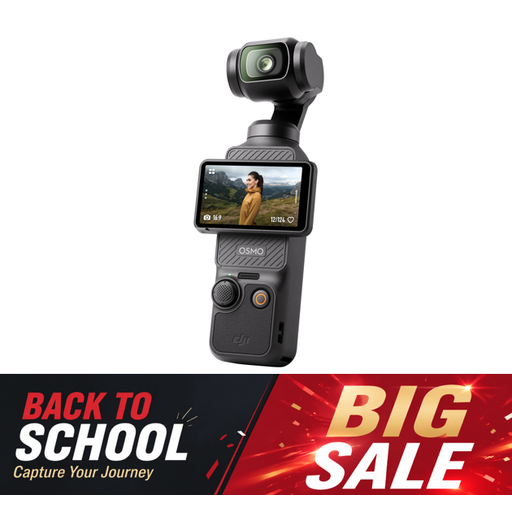 Image unavailable
DJI Osmo Pocket 3
The product name describes a small camera for vlogging and photography; check whether it suits the still pottery shots you want to take.
The product name specifies a 1-inch CMOS sensor and 4K/120fps video.
Joybuy
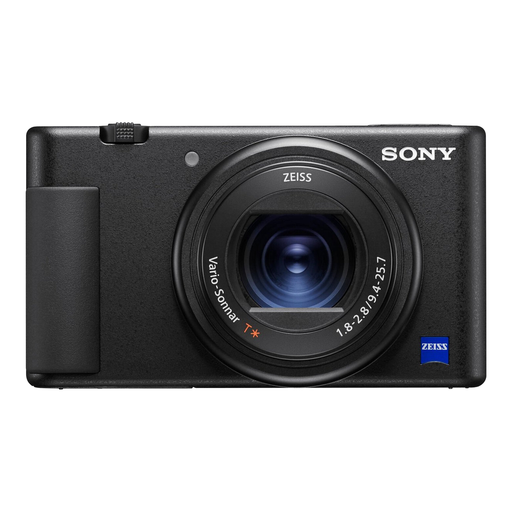 Image unavailable
Sony ZV-1
The product name identifies this model as a compact camera; try it with your pots to see whether its field of view and focusing distance suit your setup.
Joybuy
 Image unavailable
Sony ZV-E10 + 16–50mm Zoom Black
This product name lists the ZV-E10 with a 16–50mm zoom lens; check whether it can focus on the details you want from the distance available.
The product information states that a memory card and adapter/charger are not included.
Joybuy
Frequently asked questions
Do you need a macro lens for every photo of a pot?
No. For a photo of the whole pot, you need a lens that can fit the piece into the frame from the distance available. A macro lens may be useful for small details that fill the frame; Nikon specifies 1:1 magnification for the separate NIKKOR Z MC 50mm f/2.8. Check whether that lens is included in your chosen kit.
How can you avoid distracting reflections against a plain background?
Keep the background, camera and lighting positions as consistent as possible between similar shots, and start with diffused light. Check for distracting reflections from windows or lamps on the glaze; if needed, move the light or the piece. A plain background is no substitute for controlling the lighting.
What should you check before a photo session at a craft market?
Before you leave, check the battery, memory card, lens and any charger included in the exact kit. Take a test shot and check for dust, colour and reflections. Nikon states that one Z50II twin zoom kit doesn’t include a charger; this doesn’t necessarily apply to other kits.
Is there always a fixed two-year warranty period for cameras in the Netherlands?
No. According to ACM ConsuWijzer, statutory consumer guarantee rights in the Netherlands don’t have a fixed end date; what you can expect depends on factors such as the product and normal use. If you use the purchase mainly or exclusively for business, ACM says you aren’t automatically entitled to the same consumer protection. Also check what any additional guarantee from the retailer covers.
Can you photograph identifiable visitors at a craft market?
A photo of pottery on its own against a plain background raises different privacy questions from a photo featuring identifiable people. If you photograph or publish images of identifiable visitors at an event on behalf of a business, the Dutch Data Protection Authority says the GDPR applies and you need a lawful basis. Consent is one possible example, but it isn’t the only basis you might rely on.


