
Creators showcasing key engravings
You want to photograph small markings, wear and metal texture so that each is clearly distinguishable. In this case, the magnification of the complete camera-and-lens combination matters.


Choose based on the smallest detail you want to show, and try the camera you already have first; don’t buy based on megapixels alone. A smartphone may be enough for overview shots, while a compact camera lets you take close-ups without a separate lens. If you often photograph small engravings, you could consider a mirrorless camera with a suitable macro lens. Check the magnification of the complete camera-and-lens combination, and allow for lighting and reflections.
You want to photograph small markings, wear and metal texture so that each is clearly distinguishable. In this case, the magnification of the complete camera-and-lens combination matters.
You photograph several keys with similar framing and backgrounds, and want to spend time setting up a repeatable arrangement with stable lighting.
You mainly take pictures of whole keys and want to see whether an existing phone or camera is good enough without a separate macro lens.
A good fit if: you mainly take overview shots and want to try your current device first.
Trade-off: a macro feature doesn’t guarantee that a small engraving will look sharp and large enough in the crop you want.
A good fit if: you regularly photograph small details and don’t want to change lenses. According to OM SYSTEM, the OM SYSTEM TG-7 has a microscope mode that lets you photograph subjects from as close as 1 cm.
Trade-off: the lens isn’t interchangeable; at such a short shooting distance, you’ll also need to make room for the camera and the lighting.
A good fit if: small engravings are often your main subject, or you want to take other types of photographs too.
Trade-off: a camera body or standard zoom lens doesn’t automatically make a macro setup; check the lens mount and the maximum magnification of the lens you choose.
For engravings, check the magnification of the exact lens or close-up mode. For portfolio work, also consider how you’ll repeat the same framing and lighting.
| What to consider | What should you check? | Who should pay particular attention? |
|---|---|---|
| Small engravings and wear | Compare the maximum magnification of the exact lens or camera mode, and take a test shot of the smallest detail that matters. Nikon specifies 1:1 for the separate NIKKOR Z MC 50mm f/2.8; Canon’s RF-S 18-45mm has different magnifications depending on focal length and focusing mode. | If I want to capture small markings clearly, I look at both the magnification and the final crop. Around 33% of consumers say magnifying details is their top priority. |
| Repeatable portfolio series | Check how you can keep the camera stable, and test the same framing, background and lighting position. Canon recommends a tripod as a way to achieve consistent composition in product photography. | If I want to photograph several keys with a similar look, a repeatable setup matters. Around 25% of consumers say consistent presentation is their top priority. |
| Getting started easily | See whether your current device can capture the smallest crop you want sharply enough. Apple lists macro photography as a feature of the iPhone 16; this doesn’t automatically apply to other phone models. | If I mainly want to photograph whole keys and the occasional detail, I’d rather test the equipment I already have before buying separate lenses. Around 25% of consumers say getting started easily is their top priority. |
| Complete setup | Check which lens is actually included in the camera kit and whether it’s compatible with the body. For your own budget, also factor in any macro lens, lighting and stable support you may need. | If I don’t want to buy more equipment than necessary, I compare the complete setup rather than just the camera body. Around 17% of consumers say keeping total costs manageable is their top priority. |
Maximum magnification depends on the lens and the focusing mode used, not just the camera body. So a mirrorless camera kit won’t necessarily include the lens you need for small engravings.
Before buying, check the exact kit contents, lens mount and lens magnification specifications.
According to its manual, the OM SYSTEM TG-7 can photograph subjects from as close as 1 cm in microscope mode. You’ll also need room for the camera and lighting to get a usable shot of a key.
Test the smallest details that matter with your intended lighting, and check for reflections at the same time.
ACM ConsuWijzer distinguishes between a manufacturer’s or seller’s warranty and the statutory guarantee for consumers.
Keep your proof of purchase and contact the seller if something is faulty. If you’re buying for business use, check which terms apply to your purchase.
The TG-7 is a compact camera with a built-in microscope mode for close-ups without a separate lens.
The EOS R50 uses the RF/RF-S mount and can be paired with a lens chosen separately.
A Z system camera paired with the separate NIKKOR Z MC 50mm f/2.8 is one possible option for detail photography.
The ILCE-6400 with E-mount can be paired with the separate FE 50mm F2.8 Macro lens.
The iPhone 16 is a smartphone option if you already have a phone with a macro feature, or want to combine photography with your other phone use.
Cameras at Joybuy related to this topic.
 No image available
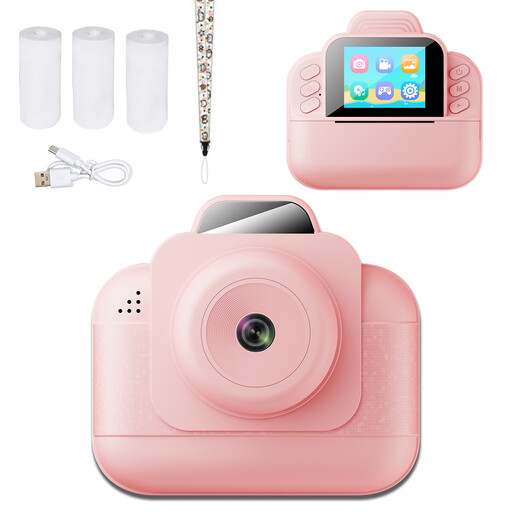
This camera is designed for instant printing. Take a test shot to see whether small key engravings look clear enough for your portfolio.
The product title lists 1080P video, 20 games, 5 filters, 4 mirror effects, 3 print rolls, a lanyard and a 1300 mAh battery. A TF card for digital storage isn’t included.
 No image available
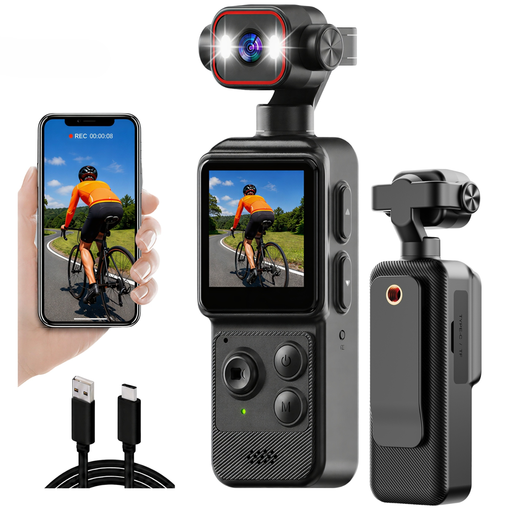
This compact action camera is designed for photos and videos. Take a test shot to check whether the smallest details on your keys are clearly visible enough.
The product title lists a 1.54-inch screen, a 140° wide-angle lens, app control, LED light and a 1200 mAh battery.
 No image available
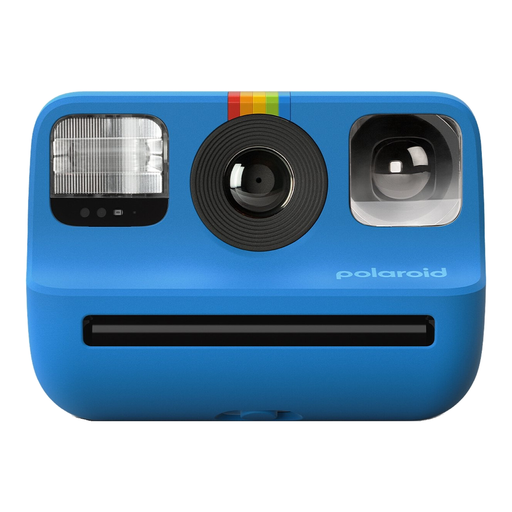
If your portfolio also includes physical prints, you could consider this instant camera as an option; take a test shot of a key first if you want to capture fine details.
Polaroid Go film is required for instant prints.
 No image available
The product title mentions photography as well as video. Test whether the camera captures the small details on old keys the way you need for your portfolio.
The title lists a 1″ CMOS sensor, 4K/240fps, 3-axis stabilisation, 2× lossless zoom, 107 GB of built-in storage and a 2″ rotating screen.
 No image available
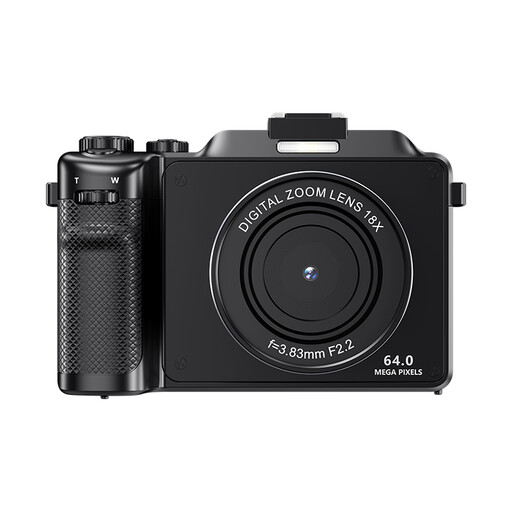
The product title mentions autofocus. Take a test shot of an engraving to see whether the camera focuses as you need it to for your portfolio.
The title lists 18× digital zoom, a flash and anti-shake function. The product information warns that digital zoom can reduce image quality.
No. Compare the maximum magnification of the exact lens or camera mode. Canon gives different values for the RF-S 18-45mm depending on focal length and focusing mode; Nikon specifies 1:1 for the separate NIKKOR Z MC 50mm f/2.8.
Set up the camera securely and keep the framing and background the same. Canon describes a tripod as a way to achieve consistent composition in product photography.
For distance purchases by consumers, a statutory 14-day cancellation period generally applies from the date of delivery, with some exceptions. ACM ConsuWijzer also states that the statutory guarantee applies if a product, when used normally, doesn’t meet what the consumer could reasonably expect; the seller is the point of contact. These consumer rights don’t automatically apply to a business purchase.
For photos showing only keys, the information from the Dutch Data Protection Authority doesn’t indicate that you need consent for recognisable people to be pictured. If you use someone else’s photos, the Dutch Government says you need the creator’s permission to make copyright-protected photos public. If recognisable people appear in the photos, consider separately which privacy rules apply.