
Sellers of small miniatures
You want to show the grain, finish and small imperfections clearly. The close-up capability you need depends on the size and details of the item.


Start with the camera you already own, soft daylight and a plain background. Only buy something new if a test shot doesn’t clearly show the wood colour, the whole item or any relevant signs of use. For very small details, a compact camera with a built-in close-up mode can be practical. A mirrorless camera will only take those close-ups if you also choose a suitable macro lens.
You want to show the grain, finish and small imperfections clearly. The close-up capability you need depends on the size and details of the item.
You want the wood colour and condition to be recognisable in both overview and detail shots. A plain background and careful lighting can help you show the item clearly.
You want a set-up you can reuse for different miniatures, making it easier to keep the framing and background consistent.
Take a test shot first, then decide whether you mainly need more detail, recognisable colour, a repeatable set-up or less extra equipment.
| What to consider | What should you check? | Who is this important for? |
|---|---|---|
| Small details | Check the close-up capability and, at high magnification, the working distance between the lens and the item. | If I want to show the grain or small signs of use clearly, the photo also needs to capture the smallest relevant detail. Around 33% of consumers prioritise small details and signs of use. |
| Wood colour and condition | Assess the colour in the lighting you’ll use for the listing, and look for a plain background. | If the wood colour and condition need to be recognisable, I want to make sure the lighting doesn’t make the item look different in the photo. Around 27% of consumers put colour and an honest representation of condition first. |
| Repeatable set-up | Check whether you can position the camera steadily and easily recreate the framing. | When I’m photographing several similar miniatures, I don’t want to have to set up the background and composition from scratch each time. Around 20% of consumers prioritise a repeatable process. |
| Extra equipment | Check what the kit lens can do and whether you’ll need a macro lens for the close-ups you want. | If I only sell a miniature now and then, I want to know whether my current camera will do the job before buying extra equipment. Around 20% of consumers prioritise a simple set-up with as little extra equipment as possible. |
A mirrorless camera kit with a standard zoom doesn’t automatically include a macro lens. A camera body with a supplied zoom lens is not the same as a kit with a separate macro lens.
Check the exact contents of the bundle, the mount and the magnification you need for your miniatures.
A separate macro lens may be needed for extreme close-ups. Bear in mind that you may also need to pay extra attention to your shooting set-up.
The minimum focusing distance and the space between the front of the lens and the subject are two different measurements. Sony lists a working distance of 2.4 cm at maximum magnification for the E 30 mm F3.5 Macro. With so little space, lighting the subject can be tricky.
Compare both magnification and working distance, and try out your intended lighting before relying on that lens.
A short working distance may mean you need to give extra thought to lighting.
An overview photo alone can hide small features. Without a visible reference for scale, it can also be harder to judge the size.
Pair an overview photo with a reference for scale and separate images of any relevant signs of use.
The Tough TG-7 is a compact camera with a built-in microscope mode for close-ups without changing lenses.
The EOS R50 with RF-S 18–45 mm is a mirrorless camera kit for overview shots; Canon also offers separate RF macro lenses.
The α6400 is an E-mount mirrorless camera, so you can choose a suitable lens yourself.
The Z50II is a DX mirrorless camera. For small details, choosing a suitable Z macro lens is also important.
Joybuy camera options related to this topic. Check whether the features listed for each model suit the close-ups and listing photos you want to take.
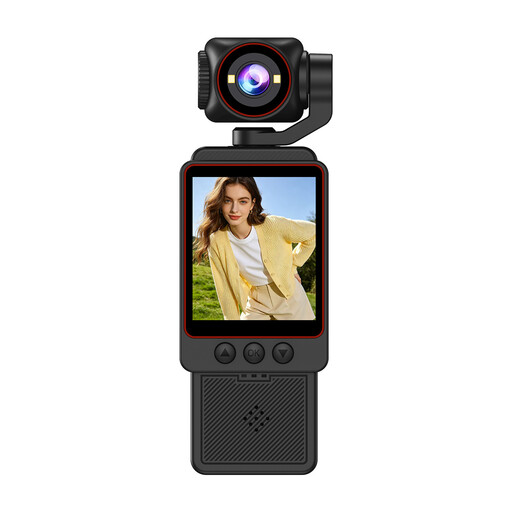 No image available
Consider this model only if its listed camera features suit your needs. Take a test shot to check that the miniature and its relevant details are clearly visible.
The product name lists 1080P HD video and HD photos.
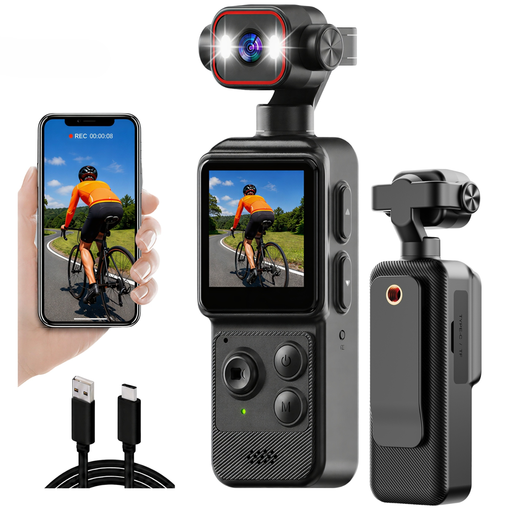 No image available
First check whether the field of view and controls are right for the framing you need for a miniature. Take a test shot if possible.
The product name lists a 1.54-inch screen, a 140° field of view and app control.
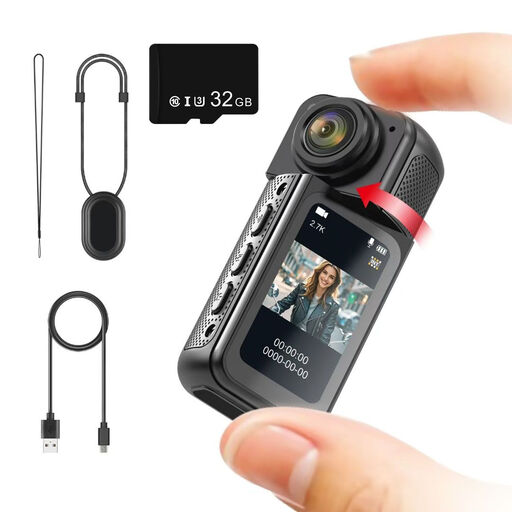 No image available
Take a test shot to check whether the camera frames the small item and the details you want to show appropriately.
The product name lists a 180° rotating lens, a 1.47-inch screen and an included 32 GB memory card.
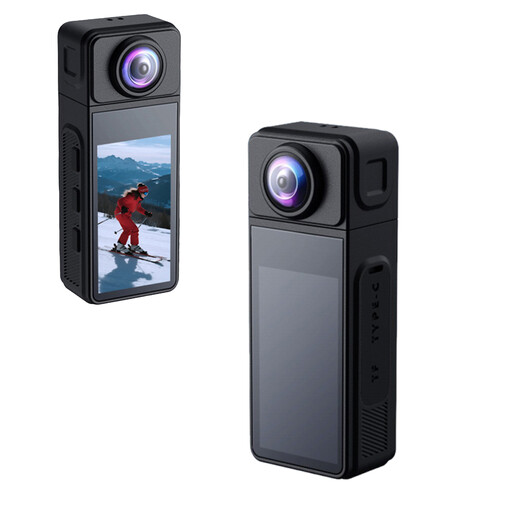 No image available
Take a test shot to see whether the camera can capture the framing you want for your miniature.
The product name lists a 270° rotating wide-angle lens and electronic image stabilisation.
 No image available
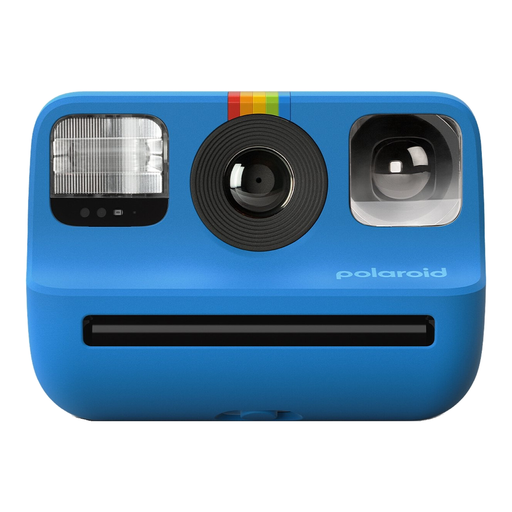
Consider this instant camera only if instant photography suits the way you want to take pictures. Check that it fits the purpose of your listing.
The product name identifies the model as a blue Polaroid Go Gen 2.
Not before you’ve taken a test shot. First, photograph the whole item and the smallest relevant detail with your existing camera, in daylight and against a plain background. If the detail isn’t clear enough, compare the close-up capabilities of complete camera kits.
Place the camera on a stable surface or use a tripod, and consider using the self-timer. Canon describes a tripod as a way to maintain consistent framing and prevent camera shake. Also check that there’s enough light for your shot.
For a consumer purchase made remotely, you usually have a statutory 14-day cooling-off period after delivery, according to the Dutch government. The seller must also offer a solution if the product has a fault you wouldn’t have expected with normal use. These distance-selling rules don’t apply in the same way to online purchases from a private individual.
That depends on your selling activity, not your camera. According to the Dutch Tax and Customs Administration, hobby sales in a private capacity usually aren’t subject to income tax. However, buying items to resell at a profit may count as a taxable source of income. Your personal circumstances will determine how the rules apply to you.