
Quick canal-side walker
You want to be able to grab your camera straight away and would rather not carry separate lenses. Compare a fixed-lens compact camera with a model that has built-in zoom, based on the shots you actually want to take.


For a quick photo stop, a compact camera with built-in zoom is handy if you want to switch between a wide canal view and close-up details without changing lenses. A fixed wide-angle lens is a better fit if you mainly want to shoot wide. A mirrorless camera with a suitable zoom lens gives you the option to choose different lenses later, but check whether the lens is included in the kit and familiarise yourself with the controls beforehand. The Consumentenbond describes compact cameras as cameras with a fixed lens.
You want to be able to grab your camera straight away and would rather not carry separate lenses. Compare a fixed-lens compact camera with a model that has built-in zoom, based on the shots you actually want to take.
You want to fit the trees, quayside and water into the same shot. So check the wide-angle setting of the complete camera-and-lens combination.
You also take photos on overcast days or in low sunlight, and want to adjust the exposure quickly. Practise using the controls before you head out.
Choose this option: if you want to capture a wide view of the trees and canal, then zoom in on a detail, all from the same spot.
Bear in mind: the lens cannot be changed. In low light, also check the maximum aperture at the telephoto end.
Choose this option: if you mainly want to take one wide shot and don’t want to adjust a zoom or separate lens. Ricoh specifies a fixed lens of around 28 mm in 35 mm equivalent terms for the GR IV.
Bear in mind: you can’t optically zoom in on a distant detail; you’ll need to change your position or crop the image later.
Choose this option: if you want to start with a suitable lens and have the option to choose different focal lengths or lenses later.
Bear in mind: check whether the kit includes a lens and whether the wide-angle view is wide enough from where you’ll be standing. An additional telephoto lens may mean changing lenses.
| What to consider | What to look for | Who is this important for? |
|---|---|---|
| Ready to shoot straight away | Try switching on, focusing, zooming and using the main buttons on the camera you plan to take with you. | If I’m only stopping briefly, I want to pick up my camera and take the shot I want without having to search through the settings. Around 33% of consumers want to be ready to shoot straight away. |
| The whole canal scene | Compare the shortest focal length in 35 mm equivalent terms for the complete kit, not just the camera body. | When I want to frame the trees, quayside and water together from where I’m standing, a wide field of view is my priority. Around 27% of consumers prioritise capturing the whole canal scene. |
| Changing autumn light | Check whether exposure compensation is easy to access and what stabilisation the camera body or included lens offers. | When the light switches between cloudy and bright, I want to adjust the exposure quickly. Around 20% of consumers prioritise being able to deal with changing light. |
| Details without changing lenses | Check both the wide-angle and telephoto settings, as well as the maximum aperture at the telephoto end. | If I also want to photograph a tree or building on the other side from the same spot, I want to zoom in without changing lenses. Around 20% of consumers prioritise distant details. |
With a mirrorless camera, the lens and what’s included in the kit help determine the field of view you can use and whether you can start taking photos straight away.
Check exactly what’s in the bundle and what else you’ll need before taking your first shot. Don’t assume a lens is included just from the model name.
A body-only kit isn’t ready to use if you still need a suitable lens. Also check whether a memory card is included in the bundle.
A long telephoto setting can help you frame a detail more closely, but it won’t give you a wider view of the canal from the same spot. Subjects at high zoom can also be harder to keep in frame, as the Consumentenbond points out.
Start by working out how wide an angle you need for the overall view, then decide how much telephoto reach you’re likely to use.
Optical stabilisation can help reduce camera shake, but moving leaves may still look blurred with a slow shutter speed. Canon describes the RF-S 18-45mm lens’s stabilisation as helping to counter camera shake.
Check what stabilisation the exact kit offers and pay attention to the shutter speed when photographing moving subjects.
The GR IV is a compact option with a fixed wide-angle lens, suited to anyone who mainly wants to capture a wide canal scene.
The RX100 VII has built-in zoom, while the α6700 is a separate mirrorless camera option for which you choose an E-mount lens.
The EOS R50 with RF-S 18-45mm is a mirrorless camera kit that lets you get started with one standard zoom lens attached.
The Z50II is available with a 16-50mm zoom and also as a kit with an additional 50-250mm lens.
Joybuy camera picks for a quick photo stop and framing a canal scene.
 No image available
The product name mentions photography and 2× lossless zoom; check whether the controls and zoom range suit the way you like to frame your shots.
The product name lists a 1″ CMOS sensor, 3-axis stabilisation, 107 GB of built-in storage and a 2″ rotating screen.
 No image available
The product name mentions optical zoom; compare the stated zoom with the shots you want to take from your chosen spot.
The product name lists 12× optical zoom and 64 MP.
 No image available
According to the product information, the kit includes a 16–50mm zoom lens; check whether its range suits the wide views and crops you want.
The product information lists a 24.2 MP APS-C sensor.
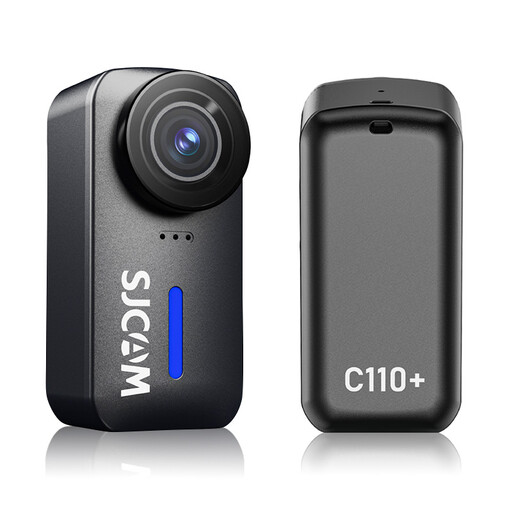 No image available
The product name mentions a 170° ultra-wide-angle lens for a broad view; check whether this field of view matches the composition you want.
The product name lists an f/1.8 lens and 20 MP photos.
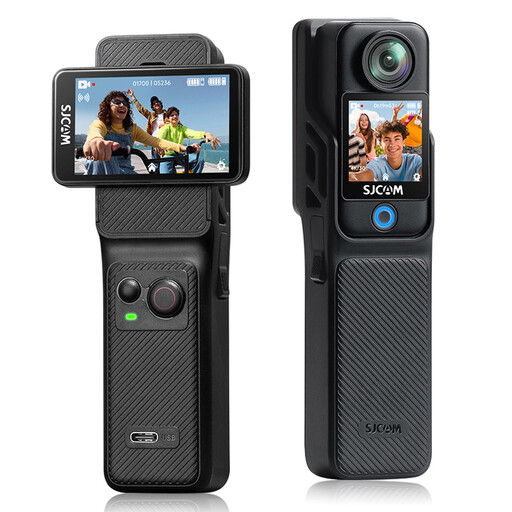 No image available
The product name mentions a 154° wide-angle lens for a broad view; check whether the viewing angle suits the shot you want.
The product information lists 16 MP photos, 6-axis electronic stabilisation and two touchscreens.
Before you leave, check the battery, memory card and shooting mode, and try adjusting the exposure. The Consumentenbond lists the battery, SD card and ease of use as things to consider when choosing a camera.
Image stabilisation is designed to reduce blur caused by camera shake, but it won’t automatically prevent moving leaves from appearing blurred. So pay attention to the shutter speed too; a longer exposure can make movement in water more visible. Canon describes the RF-S 18-45mm lens’s stabilisation as helping to counter camera shake.
According to ACM ConsuWijzer, the retailer is responsible for the statutory guarantee and must put right any fault covered by it free of charge. A two-year manufacturer’s warranty does not automatically cover the full period of your statutory rights.
First consider the privacy implications: identifiable people are personal data. The Dutch Data Protection Authority explains that the exception for personal or household use may apply to photos kept strictly private, but not to sharing them publicly with a wider audience. Whether publication is lawful depends on its purpose and the circumstances.