
Seller with lots of books
Wants to photograph covers and spines quickly, using the same framing each time. A fixed camera position and background can help you keep the set-up consistent.


Start with the camera you already have and take some test shots using a fixed camera position, a plain background and even lighting. A mirrorless camera with a suitable lens may be worth considering if you photograph lots of books with the same framing or want to show minor signs of wear clearly. When choosing, also consider the complete kit, the space available for a stand and lighting, and how quickly you can clear the workbench again.
Wants to photograph covers and spines quickly, using the same framing each time. A fixed camera position and background can help you keep the set-up consistent.
Wants to show stains, wear and other details about a book’s condition, as well as its cover. The lens you choose and checking focus are important considerations.
Needs to set up and put away the photo equipment after use. Space for the camera, stand and lighting is therefore part of the decision.
First, take some test shots with the equipment you already have. If you decide to buy a camera, consider the lens, set-up and available workspace as a whole.
| What to consider | What should you check? | Who is this important to? |
|---|---|---|
| Details of the book’s condition | Photograph a representative book and check the cover, spine and smallest relevant damage at the size the image will ultimately be displayed. | If I want to show signs of wear clearly, recognisable details matter more than a high megapixel count alone. Around 33% of consumers prioritise sharp photos showing a book’s condition. |
| Consistent framing | Check that the camera position keeps the framing consistent and that you can see the screen from where you work. | When I photograph lots of books one after another, I don’t want to have to work out the framing each time. Around 27% of consumers prioritise consistent shots. |
| Workspace | Measure the space available and consider how quickly you can put away the complete set-up, including the stand and lighting. | If I need the workbench for other tasks in between, I want a set-up that I can clear away after the photo session. Around 20% of consumers prioritise limited workspace. |
| Complete equipment set | Compare what the kit includes, such as the lens and any stand or lighting you might need; don’t look at the camera body alone. | When I want to keep the cost down, I need to know which parts I already own and what else I need for a usable set-up. Around 20% of consumers prioritise the complete equipment set. |
A kit may include a different lens from a camera body sold on its own, and that choice affects how you can frame books from the distance available.
Compare everything included in the kit and take a test shot of the smallest defect you want to show.
You may need to buy an additional lens if one is missing or unsuitable for your close-up detail shots.
High resolution alone doesn’t prove that details will be clear under your workspace lighting. An unsteady camera position or unsuitable lighting can also affect the photo.
Assess a test shot in the conditions in which you’ll actually photograph the books. According to Canon Europe, a tripod can help you frame successive product photos consistently.
You may still need a stable stand or better lighting.
These are different model names. A kit with the older ZV-E10 isn’t automatically the same version as a ZV-E10 II kit.
Check the full model name and the included lens before comparing it with a different kit.
The EOS R50 is a mirrorless camera with an interchangeable lens and an adjustable screen, suitable if you want to use a fixed book-photography set-up with different viewing angles.
The ZV-E10 II with an interchangeable E-mount lens may be worth considering if you also plan to use the same camera for other photography or video work.
The LUMIX G100D kit DC-G100DK with a 12-32mm lens is a compact mirrorless camera kit to consider if you want to put your equipment away after use.
The X-S20 is an option with an interchangeable X-mount lens if you want to choose the body and lens separately.
This selection of Joybuy products includes mirrorless and more compact cameras you can consider for photographing second-hand books. For each model, check whether the lens, screen controls and set-up suit your working distance and available space.
 No image available
The zoom lens included may be useful if you want to frame books from different working distances.
The product information lists a 24.2 MP APS-C sensor and a tilting screen. According to the product information, the adapter/charger and memory card are not included.
 No image available
The included zoom lens may suit anyone who wants to photograph books from different working distances.
The product information lists a tilting screen and an electronic viewfinder. A memory card is not included, according to the product information.
 No image available
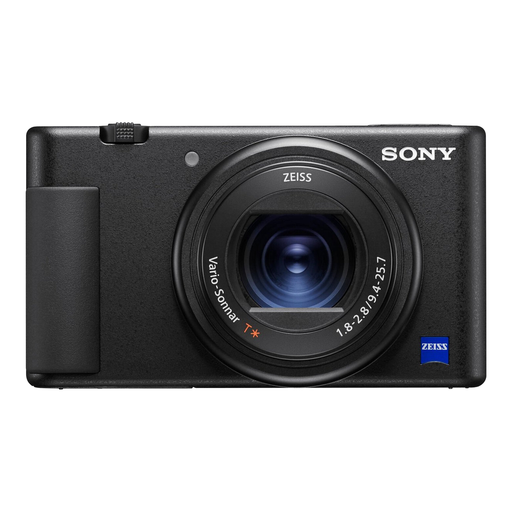
A compact camera may be worth considering if you want to put it away after use. Test it with a book to check that the available framing and focus suit your photos.
The product information lists a 20 MP sensor, a 24–70mm lens and a tilting screen.
 No image available
If having a compact camera that you can put away after use is important, check that its controls and positioning suit your fixed book-photography set-up.
The product information lists a 1-inch sensor, a rotating 2-inch screen and a weight of 179 g. Check the framing with a test shot taken from the working height you plan to use.
 No image available
If you want to try different framings from one position, check with a representative book whether the camera captures the details you want in focus.
The product title lists 12× optical zoom and 64 MP. Take a test shot to assess how clearly it captures minor signs of wear.
No, start by taking some test shots with the camera you already have. Use a fixed background and even lighting, then check whether the cover, spine and signs of wear are clear enough for where you plan to display the photos.
Use the same background and a steady camera position each time, and check the framing for every book. Canon Europe describes a tripod as a way to frame successive product photos consistently; adjust the lighting if conditions change.
Check whether the kit includes a lens and whether you need a stand, lighting or storage for your workspace. Consumer purchases in the Netherlands are covered by a legal guarantee, but according to the Dutch government there is no fixed statutory guarantee period; if there’s a problem, contact the seller. If the workshop is buying for business use, check the applicable terms separately.
Don’t assume that you can publish them without restriction. The Dutch Data Protection Authority says that a legal basis is required for images of employees; how this applies depends on the people involved and the publication. The Dutch government also warns that copyright-protected content cannot simply be made public without permission. Reselling a book does not automatically give you permission to copy and distribute its contents.