
Detail-focused collector
You want to capture the stamps, relief and signs of wear on individual badges clearly, so you’ll want to focus on the magnification of the lens you’ll actually be using with the camera.


Start with the smallest mark you want to photograph and check whether the camera, with the lens supplied, can show it large enough in the frame. A compact camera may be sufficient for overview shots and simple close-ups; for more choice of magnification, a mirrorless camera with a suitable macro lens offers another option, although you may need to buy the lens separately. The Cultural Heritage Agency of the Netherlands also emphasises the importance of a stable set-up, a neutral background and careful lighting.
You want to capture the stamps, relief and signs of wear on individual badges clearly, so you’ll want to focus on the magnification of the lens you’ll actually be using with the camera.
You want to take overview shots and photos of the reverse without changing lenses, even in a limited workspace.
You want to photograph badges in consistent lighting and from similar angles, so you can assess their colour, shape and condition later.
Ideal for: taking overview and detail shots without choosing or changing separate lenses.
Bear in mind: the lens is fixed, so check that both the whole badge and the smallest detail you want to capture fit clearly in the frame.
Ideal for: anyone who wants to capture small stamps or relief at a larger size and choose the camera body, lens and set-up separately.
Bear in mind: the kit lens isn’t automatically a macro lens, so check which lens is included in the offer.
Ideal for: anyone who mainly needs clear record photos and wants to see what their current equipment can do first.
Bear in mind: take a test shot of the smallest relevant mark before deciding whether you need more magnification.
| What to consider | What to look for when buying | Who it matters most to |
|---|---|---|
| Small marks | Check the maximum magnification of the exact lens and test the smallest detail in the frame you want to use. | If I want to capture stamps or wear clearly, I first check how much detail the lens can show when the subject fills the frame. Around 36% of consumers put small details at the top of their buying priorities. |
| Ease of use | Check the close-up mode and see whether you can frame your shots comfortably within the space available on your table. | If I want to take overview and close-up shots quickly without putting together a lens system, ease of use matters to me. Around 29% of consumers say this is their top priority. |
| Light and colour | Check whether you can adjust the white balance and assess reflections in a test shot. | If I want to assess shine, surface and colour, I need to be able to control the lighting and reflections. Around 21% of consumers put light and colour first. |
| Consistent photos | Check whether the camera can stay on a stable support and whether you can capture overview shots, the reverse and details. | If I want to compare a series of badges later, I need to keep the angle and framing consistent. Around 14% of consumers prioritise consistent record photos. |
A mirrorless camera offer may include a standard zoom rather than a macro lens. Canon specifies a maximum magnification of 0.25× for the RF-S 18-45mm; Canon gives a maximum of 1:2 for the separate RF 35mm F1.8 MACRO IS STM. These magnifications apply to different lenses.
Check exactly which lens is included and whether its magnification suits the smallest mark you want to photograph.
OM SYSTEM says the Tough TG-7 can focus from 1 cm away in microscope mode. That distance alone doesn’t tell you whether you can frame and light the badge properly.
Assess a test shot and check whether there’s enough room for the lighting at your chosen camera distance.
The Cultural Heritage Agency of the Netherlands says that a good phone or compact camera can also be suitable for taking usable photos of collection objects.
First, use your current camera or phone to take an overview shot, a photo of the reverse and a close-up of a small detail. Then see whether you need a different background, better lighting or more stable support.
The Tough TG-7 is a compact camera for anyone who wants to take close-ups without choosing a separate lens.
The EOS R50 is a mirrorless camera, and the lens supplied determines the magnification available.
The Z50II is a mirrorless camera option for anyone who wants to build a kit with a separately chosen Z lens.
Joybuy product picks suited to this topic. For each model, check whether the camera and supplied lens can capture the smallest badge detail clearly and at a sufficient size.
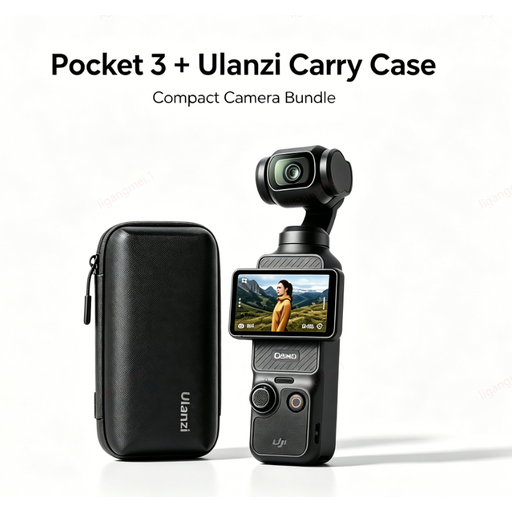 No image available
The product description mentions focusing for still images. Test it with a badge to check whether the smallest mark appears clearly enough in the frame. The description also lists a 1-inch CMOS sensor.
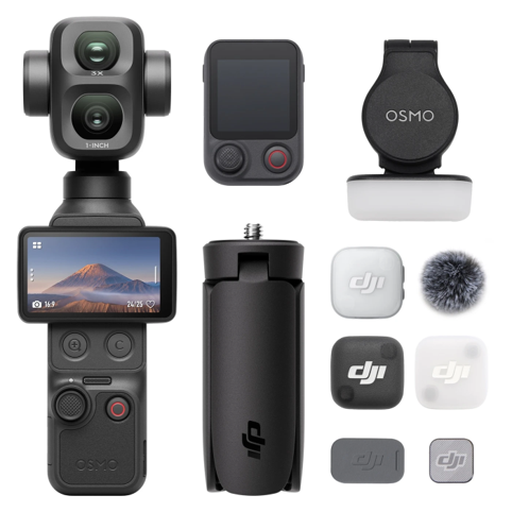 No image available
If you’re considering this camera for badge photography, first take a test shot of both the whole badge and the smallest detail. The description lists a 1-inch CMOS sensor and a 20mm f/2.0 lens.
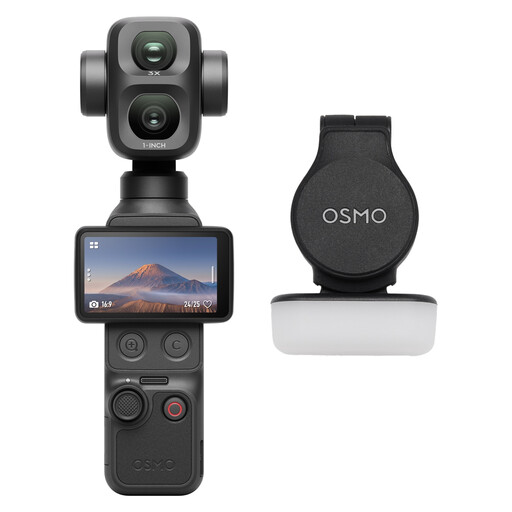 No image available
Before using it for badge photography, take a test shot and check whether the detail you want appears clearly and at a sufficient size. The description lists a 1-inch CMOS sensor and a 20mm f/2.0 lens.
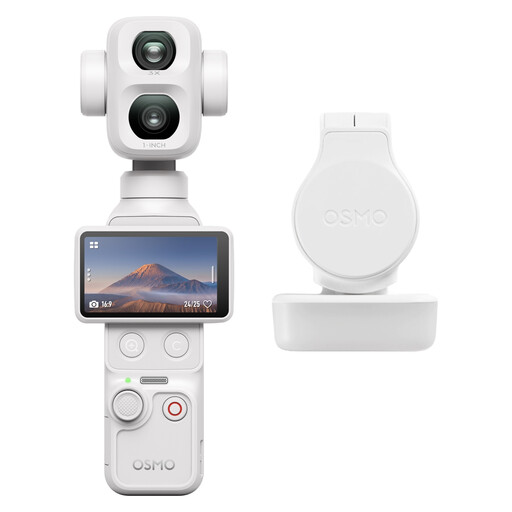 No image available
A test shot of a badge will help you assess whether the smallest detail you want to capture is clearly visible with this set. The description lists an included VL81 LED light with an adjustable colour temperature from 3200 K to 5500 K.
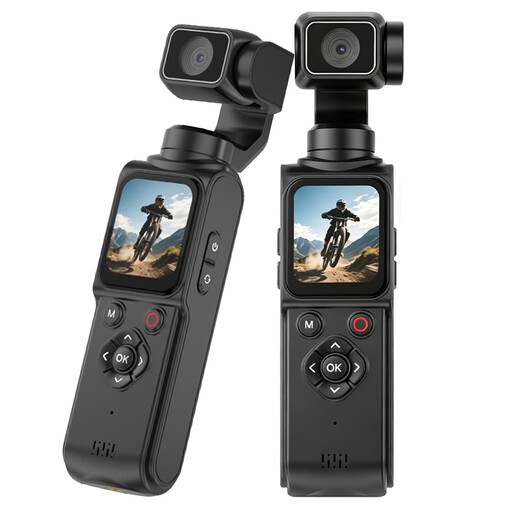 No image available
You can factor the mini tripod into your assessment of a set-up on a small table; test separately whether the camera captures the smallest badge detail clearly. The product description lists 64 MP photos and a 330° rotating lens.
No, not necessarily. Start with an overview shot, then decide whether you also want to capture the reverse or a small mark. The Cultural Heritage Agency of the Netherlands says a good phone or compact camera can be suitable for taking usable collection photos; test whether it captures your smallest desired detail clearly enough.
Use a neutral background, keep the angle and lighting as consistent as possible, and support the camera. For objects, the Cultural Heritage Agency of the Netherlands recommends, among other things, using a neutral background and the same shooting angle. Check that the surface and details remain visible on each badge; adjust the white balance if the lighting creates an unwanted colour cast.
It depends on what comes with the camera body and how much magnification you need. The Nikon Z50II body and the NIKKOR Z MC 50mm f/2.8 are separate products; the Canon EOS R50 kit we looked at is listed with an RF-S 18-45mm zoom, not the separate RF 35mm macro lens. So check the lens and accessories included in the specific offer.
According to the Dutch government, when you buy online the seller must, among other things, tell you about the product and your cooling-off period. This is usually 14 days, subject to applicable conditions and exceptions. If the product is faulty, you should be able to contact the seller for a solution; they must not simply refer you to the manufacturer.