What should you look for?
First decide whether you’ll mainly be photographing the whole bowl or small ingredients. Then compare the lens and kit contents with the composition you want, and check whether you can set up the camera securely in changing window light.
| What to consider |
What should you check? |
Who is this important for? |
| Getting sharp shots in changing window light |
Check whether you can adjust the exposure and position the camera securely; a tripod can help in low light. |
If the window light changes during my breakfast shoot, I want to be able to adjust the exposure and minimise camera shake. Around 33% of this group of consumers say changing window light is their main concern. |
| Framing the whole bowl from above |
Check the angle of view of your chosen lens and whether the camera can be set up securely overhead in your workspace. |
For an overhead shot, I want to capture the whole bowl and perhaps the cutlery, without zooming in too much. Around 27% of consumers are mainly focused on this type of framing. |
| Close-ups of toppings and textures |
Check the minimum focusing distance, magnification and compatibility of the exact lens. |
If small ingredients are my main subject, I want to know how close the lens can focus. Around 20% of consumers put close-up detail at the top of their list when buying. |
| Overall equipment and ease of use |
Compare the supplied lens with the shots you want to take, and work out whether you’ll also need a separate lens or tripod. |
I want to avoid buying a camera body or accessory I don’t need for my breakfast photos. Around 20% of consumers focus mainly on the overall equipment and keeping things simple. |
Cameras at Joybuy
The Joybuy selection below includes cameras with a range of product descriptions. When choosing one for breakfast bowls, consider framing, focusing distance and how easy it is to use in window light—not just video or zoom terms in the product title.
 No image available
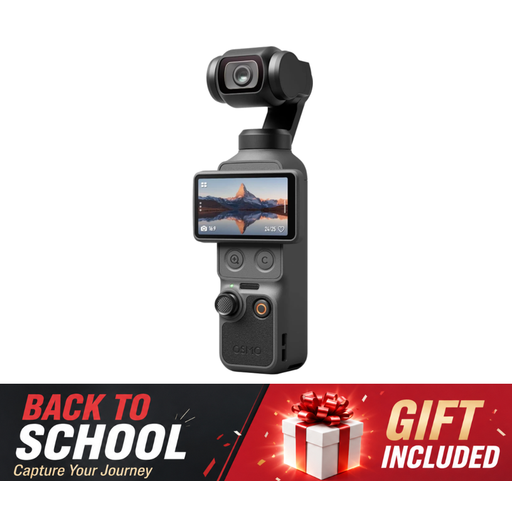
DJI Osmo Pocket 4 Standard Combo, 1″ CMOS, 4K/240fps, 107GB storage
The product title mentions photography and video; check whether this pocket gimbal camera is right for the overhead shots and close-ups you want to take.
The title lists a 1″ CMOS sensor, 4K/240fps, 3-axis stabilisation, 2× lossless zoom, 107GB of built-in storage and a rotating 2″ screen.
View at Joybuy
 No image available
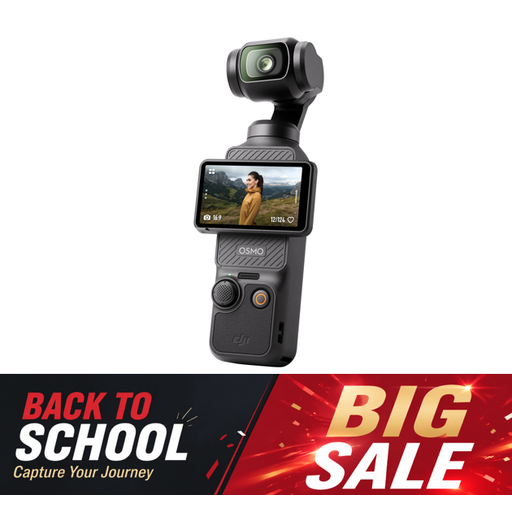
DJI Osmo Pocket 3, 1″ CMOS, 4K/120fps
The product title mentions photography as well as video; check whether this compact vlogging camera suits the compositions and focusing distances you need for breakfast photos.
The title lists a 1″ CMOS sensor, 4K/120fps, 3-axis stabilisation, fast focusing and a rotating 2″ touchscreen.
View at Joybuy
 No image available
Songdian Pocket Camera 4K 44MP, 16X zoom, pink
The product title describes this model as a pocket camera for photography and video; check whether its framing and focusing distance suit your breakfast composition.
The title lists 4K, 44MP and 16X zoom.
View at Joybuy
 No image available
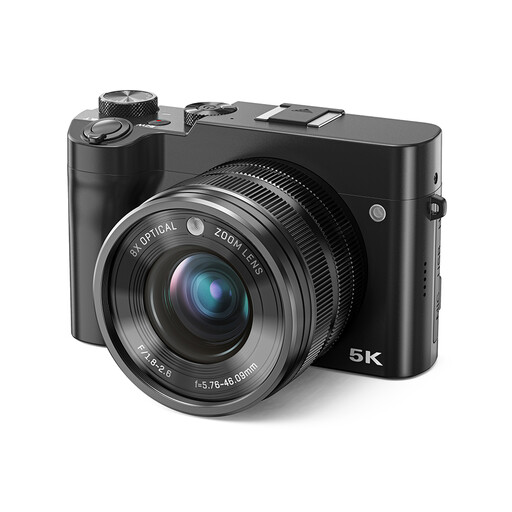
Songdian Digital Camera 5K 64MP Dual Lens, 8X optical zoom, black
The product title describes a digital camera; before choosing, check whether the listed lens and focusing options suit the angle of view and close-ups you want for breakfast bowls.
The title lists 5K, 64MP, a dual lens and 8X optical zoom.
View at Joybuy
Frequently asked questions
Do I need to buy a macro lens for a breakfast bowl?
No, not just to photograph the whole bowl. For an overhead shot, a suitable angle of view is important. Consider a macro or close-up lens mainly if you want to focus on small toppings individually.
What can I do if the window light is too harsh or too dim?
First, change the position of the bowl or camera. Canon Netherlands suggests using a thin white curtain to soften strong, direct light. In low light or for extreme close-ups, a tripod can help minimise camera shake.
What should I check when buying a close-up lens?
Check that the lens mount is compatible with your camera body, and look at the minimum focusing distance and magnification of the exact lens. Nikon specifies a DX format and Z mount for the NIKKOR Z DX MC 35mm f/1.7; this doesn’t tell you whether it’s compatible with other mounts.
Who can help if a camera I bought in the Netherlands isn’t working properly?
Contact the seller if there’s a problem. According to the Dutch government, as a consumer you’re entitled to a product that works properly, and a manufacturer’s or extended warranty doesn’t replace your statutory rights.
Do I always have 14 days to change my mind when buying a camera online?
Not always. The Dutch government says that a 14-day cooling-off period applies in many cases when buying at a distance, but also lists situations that don’t count as distance selling, such as buying online from a private seller. Check which rules apply to the specific seller and transaction.


