What should you look for when buying?
For product photos of textiles, colour, shape and detail all affect what the images show. Adobe highlights silhouette and colour among the visible product details. For colour issues, Zoom.nl advises switching off room lighting that creates a different colour cast.
| What to consider |
What to look for when buying |
Who should pay particular attention? |
| Accurate fabric colour |
Take a test shot in your own lighting and check whether you can adjust the white balance. |
I want to avoid the fabric looking different in the photo from how it does in real life. Around 33% of consumers rank fabric colour as their top priority when buying. |
| Fabric weave and finishing details |
Check the lens’s focusing distance and magnification, as well as the lens mount and what’s included in the kit. |
If I want to show seams, fabric weave or fastenings separately, the lens needs to suit the framing. Around 27% of consumers prioritise detailed photos. |
| A repeatable setup |
Check whether the camera can be positioned securely and whether the screen and controls suit your space and shooting angles. |
When photographing a range of bags, I want to be able to recreate the same framing. Around 20% of consumers give repeatable photo sessions top priority. |
| Total cost to get started |
Compare complete kits and consider which camera, lens, lighting and support equipment you already have. |
I want to start with existing equipment or a modest setup, rather than buying a camera body without a suitable lens. Around 20% of consumers prioritise the cost of getting started. |
Joybuy products
This selection includes pocket and vlog cameras, as well as cameras with interchangeable lenses. Check whether each model’s framing and controls suit still-life photos of fabric bags.
 No image available
DJI Osmo Pocket 4 Standard Combo
Consider whether this pocket vlog camera suits your workflow for still-life bag photography; the product name mentions photography.
The product name lists a 1″ CMOS sensor, 2× zoom, 107 GB of built-in storage and a 2″ rotating screen.
Joybuy
 No image available
Komery W6
Compare this camera with the framing you want and check whether its controls suit your product photography.
The product name lists 12× optical zoom, 4K, 64 MP and Wi-Fi.
Joybuy
 No image available
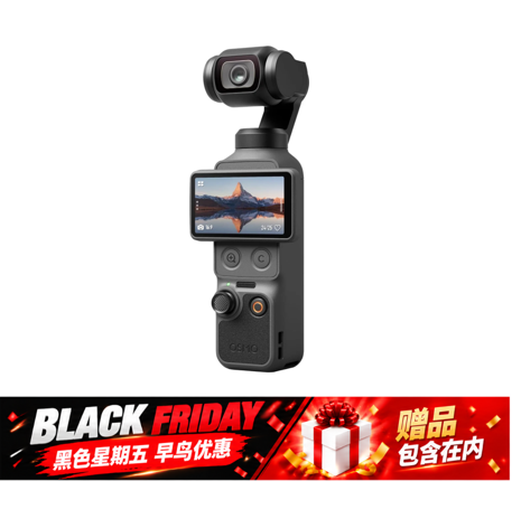
DJI Osmo Pocket 3
Check whether this pocket vlog camera’s controls and framing suit the still images you want to take.
The product name lists a 1″ CMOS sensor, 4K/120fps video and a 2″ touchscreen.
Joybuy
 No image available
Sony ZV-E10 + 16-50mm Zoom Black
The listed kit includes a zoom lens; consider whether its range suits your working distance and desired framing.
The product name lists a 16–50mm lens.
Joybuy
 No image available
Sony Alpha A6100 + 16-50mm f/3.5-5.6 OSS II
The product name specifies an included lens; compare the kit with the distance and framing you need for bag photography.
The product name lists a 16–50mm f/3.5-5.6 OSS II lens.
Joybuy
Frequently asked questions
Do you need to buy a mirrorless camera straight away?
No, not if you want to see what you can achieve with the equipment you already have first. Photograph full bags against a simple background in controlled lighting, then assess colour, sharpness and whether the images work for your intended use.
How can you make photos of different bags look consistent?
Keep the positions of the bag and camera as consistent as possible; a tripod and markers on the work surface can help. If you have colour issues, switch off room lighting that creates a different colour cast and check the white balance.
Do you need a macro lens for seams and fabric weave?
Not for every full product shot, but for individual close-ups the lens needs to suit the framing you want. Check how close it can focus and what magnification it offers. The word ‘macro’ alone doesn’t tell you whether it’s right for the detail you need to capture.
What warranty and cancellation rights apply to an online purchase in the Netherlands?
For consumer purchases, the legal guarantee is based on what you can reasonably expect from the product under normal use. ACM ConsuWijzer points out that there is no standard general guarantee period of two years. For online consumer purchases, you often have up to 14 days after delivery to change your mind, with some exceptions. If you’re buying for a business, don’t assume the same consumer rights apply; check the terms for that purchase.
Can you use someone else’s photo in your bag listing?
Not without permission. According to the Dutch government, you may only use someone else’s copyright-protected photo with the creator’s permission. Check the usage rights before publishing the photo.


