
Maker who wants to show off their stitches
You want to capture both the whole crocheted figure and the texture of its smaller parts. So compare the lens’s magnification and focusing distance with the details you want to photograph.


Start with window light, a plain background and, if needed, a tripod. If your current phone can capture the whole figure and the stitches you want in sharp focus, there’s no need to buy a camera just for this. If you want more control or need to photograph smaller details, compare complete mirrorless camera kits by lens, focusing distance and magnification: the camera body alone won’t tell you whether you can get a good close-up.
You want to capture both the whole crocheted figure and the texture of its smaller parts. So compare the lens’s magnification and focusing distance with the details you want to photograph.
You want colours and framing to look consistent across several figures. A fixed set-up, even lighting and careful attention to white balance are all important.
You want to find out whether your existing phone and a simple window-light set-up will do the job before investing in a camera.
Choose this option if: you want to test first whether your phone can capture the whole figure and the stitches you want in sharp focus.
Bear in mind: focusing distance and features vary from phone to phone.
Choose this option if: you want a separate camera with an interchangeable lens and mainly photograph the whole figure.
Bear in mind: a standard zoom lens won’t necessarily capture very small stitches large enough to fill the frame.
Choose this option if: a test with a standard zoom lens doesn’t show enough detail.
Bear in mind: you may need a separate lens for this; also check the mount and shooting distance.
When photographing small stitches, compare not only the minimum focusing distance but also the lens’s maximum magnification at the zoom setting you want to use.
| What to consider | What should you check? | Who should consider this? |
|---|---|---|
| Small stitches | For the exact kit, compare the minimum focusing distance and maximum magnification. If possible, take a test shot of the smallest detail you want to show. | If I want to show even the smallest stitches, I check that they appear large enough in the frame. Around 33% of consumers prioritise detail above all else. |
| Yarn colours | Check whether you can adjust the white balance, and keep the lighting as consistent as possible throughout a series of photos. | When the window light changes, I want to keep the colours consistent between shots. Around 25% of consumers prioritise colour accuracy above all else. |
| Getting started simply | First, use your current phone to photograph both the whole figure and a small detail by the window. | If I’m still unsure about buying a camera, I want to see what my phone can already do. Around 25% of consumers prioritise ease of getting started above all else. |
| Consistent framing | Check that you can position the camera or phone securely and keep the framing consistent across a series. | For regular product photos, I want to be able to use the same framing each time. Around 17% of consumers prioritise a repeatable process above all else. |
A tripod can help you keep the framing and background consistent across a series of product photos. If the window light changes, check the white balance again; RAW shots give you more scope to adjust images afterwards than JPEG.
Focusing distance and magnification depend on the lens. A camera body on its own won’t tell you whether small stitches will appear large enough in the frame.
Compare the complete kit and check which lens is included.
The distance at which a lens can focus doesn’t, by itself, tell you how much of a stitch will fill the frame. Magnification and the zoom setting you use also matter.
Check the maximum magnification at the relevant zoom setting and, if possible, assess a test crop.
Exposure, background and consistent framing still matter, even when you use a mirrorless camera.
First try a plain background and a fixed position. Then assess what problems remain with your current camera or phone.
The examples below show which lens specifications you can compare for specific kits. The figures given apply to the lenses listed, not to every lens from each brand.
The EOS R50 kit with RF-S 18–45mm is an option if you’re looking for a mirrorless camera with a standard zoom lens.
The Z50II kit with NIKKOR Z DX 16–50mm combines a camera with a compact standard zoom lens.
The Alpha 6400 kit with SELP1650 is an E-mount option; check what’s included in the exact version.
The X system with FUJINON XC15–45mm is an option if you’re considering a compatible X camera with a standard zoom lens.
The Micro Four Thirds system with M.Zuiko ED 14–42mm EZ is a compact combination worth comparing.
This selection includes compact cameras and a mirrorless camera with a standard zoom lens. For crocheted toys, take a test shot to check whether you can capture both the whole figure and the smallest stitch you want to show clearly.
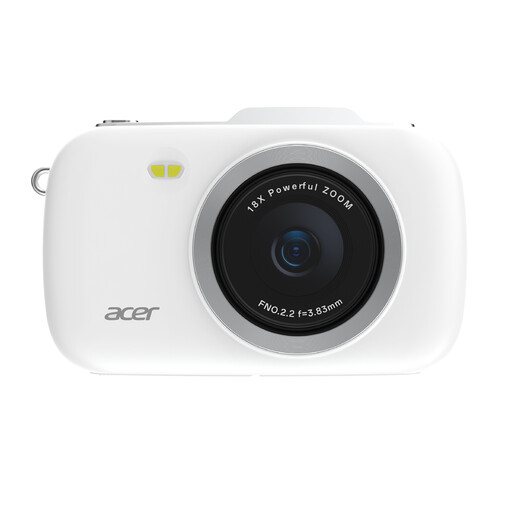 No image available
The product title describes this model as a point-and-shoot camera for beginners; take a test shot to check whether the smallest detail of your crochet is sharp and large enough in the frame.
The title lists 4K and the colour White.
 No image available
If you’re looking for a pocket camera for photos and video, the product title describes this version as a 4K model; test whether the smallest detail of your crocheted figure appears clearly in the frame.
The title lists 44MP, 16X Zoom and the colour Pink.
 No image available
This product listing features a Sony ZV-E10 with a 16–50mm zoom lens for anyone considering a mirrorless camera with a standard zoom. Take a test shot to check whether the magnification is enough for your smallest stitches.
According to the product information, an adapter/charger and SD memory card are not included.
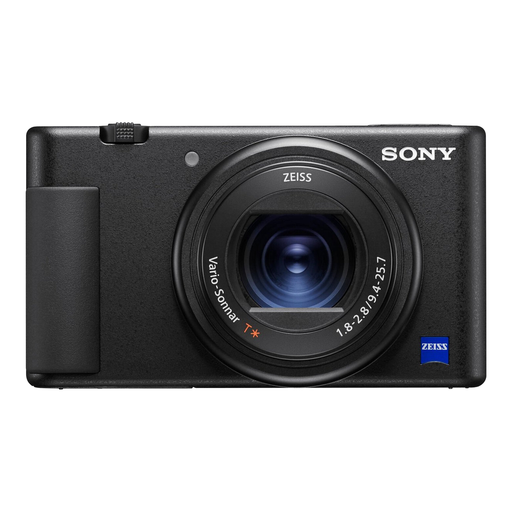 No image available
The product title describes this model as a compact camera; before deciding whether to buy it, take a test shot of both the whole figure and a small detail.
No. First test whether the standard zoom lens shows the whole figure and the smallest detail you want clearly enough. For detail shots, compare the maximum magnification and focusing distance of the exact lens; being able to focus close up doesn’t automatically mean a stitch will fill the frame.
Keep the light as consistent as possible throughout a series, and check the white balance again if the light changes. According to Nikon, RAW gives you more scope to adjust photos afterwards than JPEG.
A tripod helps keep the crop and background consistent across consecutive shots and reduces camera shake. Set the figure and camera in their fixed positions before taking a series of photos.
No. According to the Dutch Government, there is no fixed statutory warranty period in the Netherlands; you’re entitled to a product that meets what you can reasonably expect. If there’s a fault, the retailer—not automatically the manufacturer—is your point of contact. This applies to purchases made by consumers.
For applicable distance sales to consumers, a 14-day cooling-off period applies in many cases. The Dutch Government lists exceptions, including online purchases from private individuals; so before ordering, check who the seller is and which terms apply.