
Walker travelling light
You want to get down low and photograph a mushroom quickly while out walking, without changing lenses. The Consumers’ Association describes compact cameras as generally small and light, with a fixed lens.


For a coastal walk where sand or wet conditions are likely, a robust compact camera is practical if you want to take close-ups without changing lenses. Check the model’s close-up mode and care instructions. Choose a mirrorless camera with a macro lens if you want more choice of lens and magnification; just assess the complete set-up, as the lens is an extra item of kit and weather protection varies by component.
You want to get down low and photograph a mushroom quickly while out walking, without changing lenses. The Consumers’ Association describes compact cameras as generally small and light, with a fixed lens.
You’re paying attention to the protection offered by the specific camera model and want to know how to care for it after contact with seawater. Ricoh provides model-specific instructions for using the WG-8 after contact with the sea.
You want to choose an interchangeable lens based on magnification and conditions, and factor the extra lens into your kit. The macro specifications mentioned apply to specific lenses and combinations.
Choose this option if: you want to take one camera with a fixed lens and shoot close-ups. OM SYSTEM specifies focusing from 1 cm for the TG-7; Ricoh specifies a microscope mode from 1 cm for the WG-8.
Bear in mind: a fixed lens means you can’t fit a different macro lens later. Always follow the model’s usage and care instructions, too.
Choose this option if: you want to build a lens system deliberately. OM SYSTEM specifies 1:1 magnification for the M.Zuiko 60mm F2.8 Macro; Canon specifies a maximum of 1:2 for the RF 35mm F1.8 Macro IS STM.
Bear in mind: the macro specifications apply to the lens, not just the camera body, and you should assess weather protection for the complete set-up.
| Consideration | What to look for when buying | Who it matters to |
|---|---|---|
| Close-ups of small mushrooms | Check the close-up mode or magnification, and whether you need a macro lens. The 1:1 and 1:2 magnifications specified by OM SYSTEM and Canon apply to the lenses concerned. | If I want to capture small mushrooms clearly from close up, I check how the camera focuses and which lens I need. Around 33% of consumers give close-ups their highest priority. |
| Sand and wet conditions | Check the protection offered by the exact model, or by both the body and lens, and follow the instructions for keeping covers closed and caring for the camera. | When I’m walking along the coast, I want to know in advance what protection my camera has and how to care for it after contact with seawater. Around 25% of consumers put protection first. |
| Ease of carrying and low-angle shots | Compare the weight of the complete set-up; with a mirrorless camera, the lens is extra weight on top of the body. Natuurmonumenten recommends a tilting screen or angle finder as an aid for low-angle shots. | If I want to travel light on a walk and shoot close to the ground, I look at the complete kit and how I can use the screen. Around 25% of consumers consider ease of carrying most important. |
| Using different lenses later | Check the lens mount, magnification and protection of the specific lens; compare complete kits rather than camera bodies alone. | If I want to use different lenses later, I weigh that flexibility against the extra kit I’ll need to carry. Around 17% of consumers give expandability their highest priority. |
The 1:1 and maximum 1:2 macro magnifications mentioned apply to specific lenses. A camera body on its own doesn’t offer these features.
Before buying, check whether the macro lens is included in the kit and whether its mount fits the camera.
If the lens isn’t included, you’ll need to carry an extra lens as part of the complete kit.
Ricoh warns that the WG-8’s protection tests don’t guarantee that the camera will remain undamaged.
After exposure to seawater, follow the care instructions for the exact model, and don’t open any covers while sand or moisture could get inside.
The 418 g weight specified by OM SYSTEM for the OM-5 Mark II includes the battery and SD card, but not the macro lens.
Compare what you’re actually buying and carrying: the mirrorless camera body plus lens, versus a compact camera with a fixed lens.
Worth considering for both a rugged camera with a fixed lens and an expandable mirrorless system with a separate macro lens.
The WG-8 is a fixed-lens option worth comparing for close-ups on walks where you might encounter sand or wet conditions.
The EOS R50 with the separate RF 35mm F1.8 Macro IS STM is an expandable set-up for close-ups.
This selection includes action cameras and a pocket camera for photography. Check each model’s close-up capabilities for photographing mushrooms, and weigh them against the features mentioned for a coastal walk.
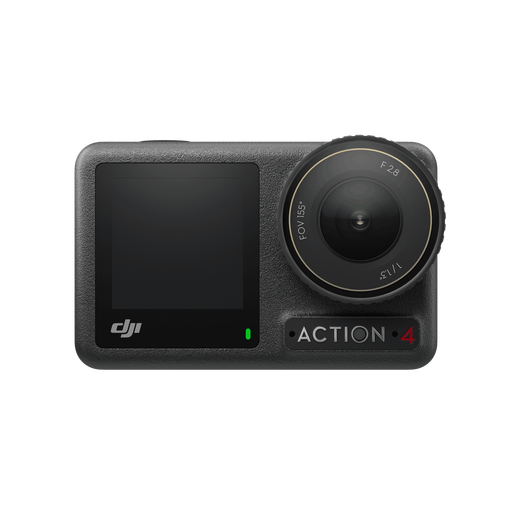 Image unavailable
The title describes a waterproof action camera; check whether its close-up capabilities suit small subjects such as mushrooms.
The title lists 4K/120fps, a 1/1.3-inch sensor and 3 extra batteries. The product instructions say to close the ports before using the camera in wet conditions, and to rinse and dry it after contact with salt water.
 Image unavailable
The title positions this model as a pocket camera for photography; before buying, check whether its close-up capabilities are suitable for small mushrooms.
The title lists 4K, 44MP and 16X digital zoom.
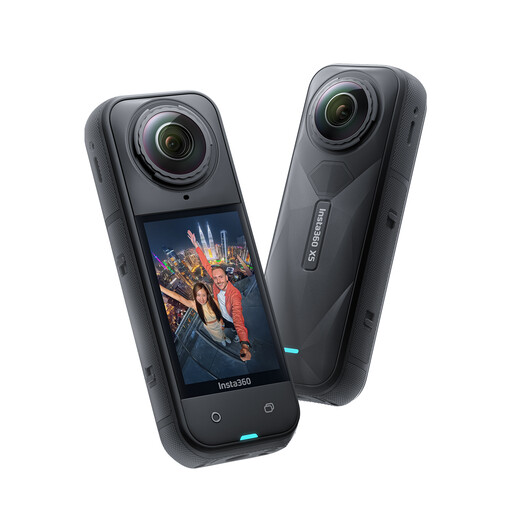 Image unavailable
The title describes this as a waterproof 360° action camera; check its close-up capabilities if you want to photograph small mushrooms.
The product description lists 8K 360° video and dual 1/1.28-inch sensors. The instructions recommend keeping the camera away from sand and dust, and rinsing and drying it after contact with seawater.
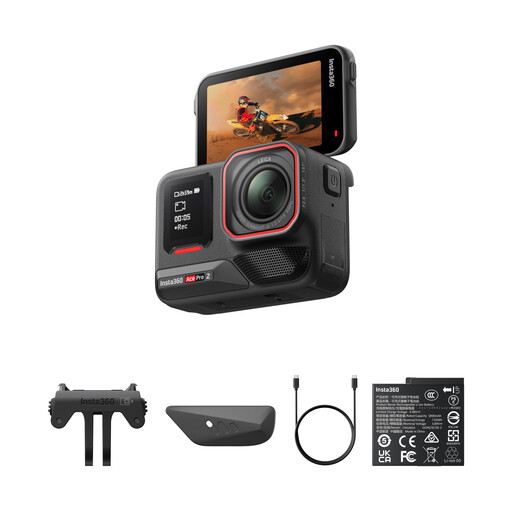 Image unavailable
The title describes this as a waterproof action camera; check whether its close-up capabilities are suited to photographing small subjects.
The product description lists a 1/1.3-inch sensor and a 2.5-inch flip touchscreen. The product instructions say to close the compartments before using the camera in wet conditions, and to rinse and dry it after contact with seawater.
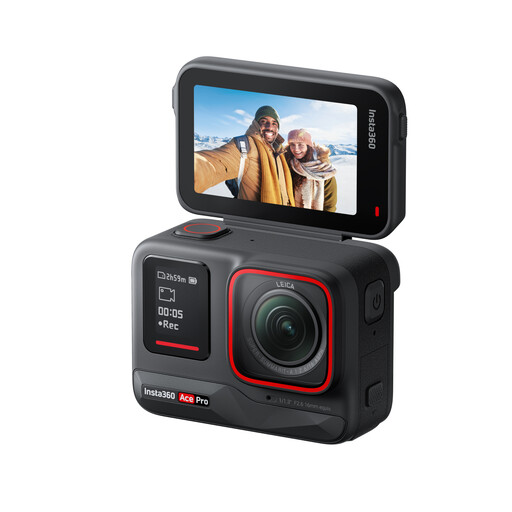 Image unavailable
The title describes this as a waterproof action camera; check its focusing capabilities for close-ups of mushrooms.
The product description lists a 1/1.3-inch sensor and a 2.4-inch flip screen. The product instructions recommend closing the compartments securely before using the camera in wet conditions, and rinsing and drying it after contact with seawater.
No, not always: according to the manufacturers, the OM SYSTEM TG-7 and PENTAX WG-8 can shoot from 1 cm away. To get the stated 1:1 magnification from the M.Zuiko lens, you’ll need that separate lens and a compatible camera.
Follow Ricoh’s instructions for the model: switch off the camera, check that the covers are closed securely, then rinse it with clean tap water or leave it briefly in clean water. Don’t open the covers while sand or moisture could get inside.
No. ACM ConsuWijzer distinguishes between a manufacturer’s or seller’s warranty and the statutory guarantee. If a product proves faulty too soon under normal use, the seller is responsible for providing an appropriate solution. The statutory guarantee period isn’t exactly two years for every camera.
Don’t assume you can: according to the Dutch government, provinces set the rules for each area, and Staatsbosbeheer directs visitors to the signs and designated paths. Check the rules for the specific area before choosing a spot off the path.