
Frost detail enthusiast
You want to capture tiny ice crystals and textures in close-up, so you’re comparing focusing distance, maximum magnification and depth-of-field options.


If you want to take close-up shots quickly on a cold, wet coastal walk without carrying a separate lens, start with a rugged compact camera with a close-up mode. For more control over magnification and depth of field, a mirrorless camera with a compatible macro lens is a better fit. Just check the protection offered by both the camera body and lens, and bear in mind that you’ll need extra kit.
You want to capture tiny ice crystals and textures in close-up, so you’re comparing focusing distance, maximum magnification and depth-of-field options.
You take photos while out and about in damp, windy or sandy conditions, and want to know what protection is specified for the camera and lens, as well as what maintenance they need.
You want to be able to stop and photograph a frost pattern without carrying a bulky kit or changing lenses on the way.
| What to consider | What should you check? | Who should pay extra attention? |
|---|---|---|
| Capturing tiny patterns in close-up | Check the minimum focusing distance and maximum magnification of the camera or complete lens setup. Also see whether focus stacking is available if you want greater depth of field. | I want to fill the frame with fine crystals; an estimated 36% of consumers who prioritise maximum magnification choose it as their first consideration. |
| Protection from cold and moisture | Compare the stated temperature limit and water and dust protection of the exact model. With interchangeable lenses, check the specifications for both the camera body and lens. | When I’m taking photos in changeable coastal weather, protection matters more than the other factors; an estimated 29% of consumers give it top priority. |
| Easy to carry and use | Compare the weight of the complete kit, how easy it is to use with cold hands, and how quickly you can switch to close-up mode. | I want to be able to stop spontaneously without carrying a heavy kit; an estimated 21% of this group prioritise portability. |
| Cost and existing equipment | Check what’s included and whether you’ll need an extra camera body, lens or close-up accessory. See whether a macro lens, extension tube or close-up filter is compatible with your existing kit. | If I want to keep using my current equipment and avoid unnecessary purchases, this is the main consideration for an estimated 14% of consumers. |
A short focusing distance or the term ‘macro’ alone doesn’t tell you how large the subject will appear on the sensor.
Check the maximum magnification of the exact camera or lens you’re considering and compare it with the size of the frost patterns you want to photograph.
With a mirrorless camera, you’re carrying both the body and the lens. The stated protection for the body doesn’t automatically apply to the complete setup.
Read the specifications and conditions of use for both components. An IP53 rating doesn’t mean you can submerge the camera in salt water.
According to the Dutch government, there’s no fixed statutory warranty period in the Netherlands. A stated warranty period therefore cannot, on its own, describe the full scope of your legal rights.
Keep your purchase and product information, and contact the seller if a fault develops. Distinguish between your statutory rights and any additional commercial warranties.
Worth considering if you’re comparing a rugged compact camera with a mirrorless camera and separate macro lens.
The WG-90 is a fixed-lens compact camera to compare if you want to take close-up shots.
An option to explore if you already have a compatible Nikon Z body and want to add a macro lens.
Worth considering if you have a compatible EOS R body and are looking at an RF macro lens.
Worth comparing if you have a compatible Sony E-mount body and are looking for a macro lens.
This selection features action cameras for outdoor use. The action camera label alone doesn’t tell you whether a camera can focus close enough for small frost patterns. Check that it’s suitable and that the complete setup offers sufficient protection before choosing.
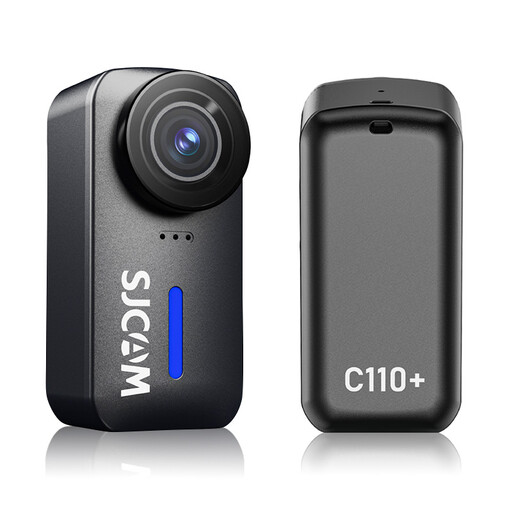 Image unavailable
A compact action camera to compare if you want to take photos outdoors while on the move. Check that its focusing distance is suitable for close-ups of frost.
The product name lists a 170° viewing angle, an f/1.8 aperture, video recording for up to 120 minutes and a waterproof case. The product description lists gyro-based electronic image stabilisation, photos up to 20 MP and a weight of 82 g.
The mention of a waterproof case alone doesn’t establish what protection the camera offers without the case.
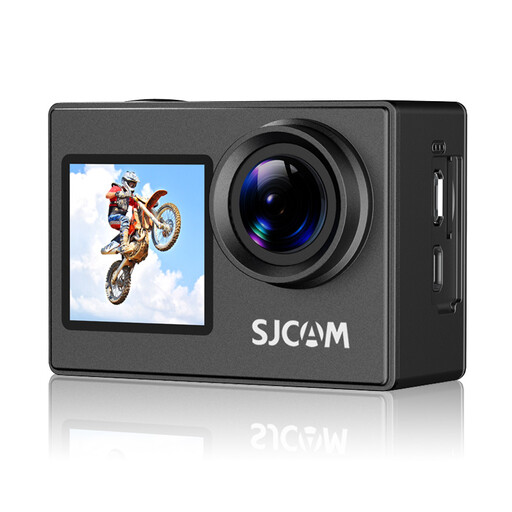 Image unavailable
A compact action camera to compare for outdoor use. Check whether its close-up capabilities are suitable for small details such as frost patterns.
The product name lists a 2.0-inch screen, a 1.3-inch selfie display, a 170° viewing angle, video recording for up to 80 minutes and 16 MP photos. The product description lists electronic image stabilisation and a weight of 64 g.
The product name mentions a waterproof case; check the conditions for using the camera with it.
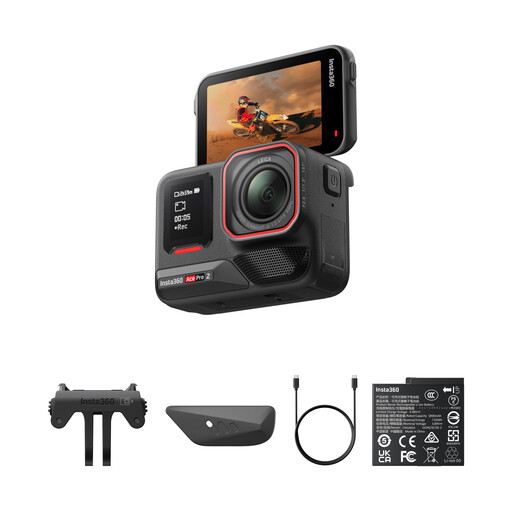 Image unavailable
An action camera to compare if you want to take photos and videos outdoors. For frost patterns, check the focusing distance and whether you can get the subject large enough in the frame.
The product name lists 8K video, a 1/1.3-inch sensor and a Dual Battery Bundle.
No. Focusing distance and maximum magnification are different specifications. Check the stated magnification if you want to photograph tiny frost crystals in close-up; the term ‘macro’ alone doesn’t guarantee 1:1 magnification.
OM SYSTEM advises checking the covers and seals of its Tough cameras for sand or dirt, and rinsing the camera with clean fresh water after use, following the model instructions. Don’t automatically use this cleaning method for a mirrorless camera or another model.
For the macro photography discussed here, you’ll need a compatible macro lens. Check whether the lens is included with the offer, and remember to allow for any other essentials, such as a memory card or spare battery.
According to the Dutch government, you’re entitled to a product that’s fit for purpose, and there’s no fixed statutory warranty period in the Netherlands. The seller is your point of contact if a fault develops; damage caused by misuse or normal wear and tear isn’t automatically covered by a free repair.
Check the site rules before leaving the path. Staatsbosbeheer refers visitors to the signs and designated paths in its areas; there are also specific exception zones in the Schoorlse Duinen. This isn’t general permission to leave the paths in all Dutch dune areas.
The Dutch Data Protection Authority distinguishes between private use within a very limited circle and wider or commercial publication. Identifiable people are considered personal data, so before sharing photos publicly, check which privacy rules apply to your use.