
Dune photographer dealing with bright skies
You want to retain detail in both the cloudy sky and the dark dunes, and you’re happy to edit RAW images. MPB cites RAW and exposure bracketing as possible approaches to landscape photography.


For cloudy coastal dunes, RAW support and exposure control are important considerations. On long walks, the weight and stabilisation of your complete kit matter too. In windy, sandy or drizzly conditions, check the protection offered by both the camera body and the lens: a higher resolution or weather-sealed body alone won’t determine whether a camera suits the way you take photos.
You want to retain detail in both the cloudy sky and the dark dunes, and you’re happy to edit RAW images. MPB cites RAW and exposure bracketing as possible approaches to landscape photography.
You often take photos outdoors and want a manageable kit where protection doesn’t begin and end with the camera body. OM SYSTEM lists the OM-5 Mark II body as IP53-rated; check the specifications of your chosen lens too.
On long walks, you want to weigh up how much equipment to carry and how much lens choice you need. The Consumers’ Association lists size and controls as points to consider when choosing a camera.
Start with the photos you want to take: think about exposure when bright skies sit above dark dunes, and the field of view you need for broad lines or distant details. Then compare the complete kit for protection, carrying weight and ease of use.
For people choosing a camera for cloudy coastal dunes, the top priority depends on how they plan to use it:
| What to consider | What to look for when buying | Who is this important for? |
|---|---|---|
| Exposure | Check for RAW support, exposure compensation or bracketing, and controls that feel comfortable to use. | If I want to capture bright clouds and dark dunes together, I look for RAW and exposure controls; around 33% of consumers give exposure latitude top priority. |
| Protection | Read the conditions for both the body and lens, and plan to change lenses away from blowing sand. | In windy conditions and blowing sand, I want to know how both the body and lens are protected; around 27% of consumers prioritise protection for the complete kit. |
| Portability | Compare the weight of the complete kit and check what stabilisation is available in the body and your chosen lens. | On long walks, I want a light kit that’s comfortable to use handheld; around 20% of consumers name portability as their main priority. |
| Field of view | Check which lens is included and whether its field of view suits your compositions. | For both sweeping dune lines and distant details, I want framing options that suit the scene; around 20% of consumers prioritise field of view and lens choice. |
The lens is part of the equipment you’ll use outdoors. A protection rating for the body doesn’t automatically tell you anything about the lens or guarantee unlimited protection against sand and moisture.
Check the specifications and conditions for both the body and lens before choosing a kit for windy or damp conditions.
A body on its own doesn’t automatically include the lens you need for your preferred field of view. What’s included varies by version.
Compare the exact contents of the package and the lens mount, not just the camera name.
If the right lens or a memory card isn’t included, you’ll need to buy or arrange those separately.
High resolution doesn’t replace the need to think about exposure when a bright sky and dark foreground appear in the same frame.
Consider RAW and the available exposure controls alongside resolution, and check that the approach suits you.
The OM-5 Mark II is worth considering if a relatively light body with specified weather protection is important on walks.
The X-T5 and X-S20 are examples of Fujifilm cameras with interchangeable lenses and in-body image stabilisation.
The EOS R50 is an entry-level model for interchangeable RF and RF-S lenses. The EOS R5 is another option to compare if resolution is a major consideration.
The α7R V is worth comparing if large prints or cropping are important to you.
The Z50II kit with two Z DX zoom lenses offers an interchangeable-lens option for different fields of view.
This selection includes compact, pocket and 360 cameras for people looking for a portable camera or a different way to shoot on a walk through the dunes. Check each version to make sure its field of view, features and included accessories suit your landscape photography.
 No image available
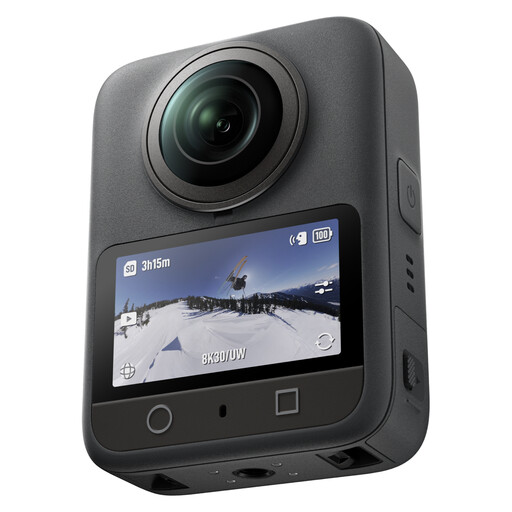
A 360 camera could suit you if you want to capture everything around you; consider whether this style of shooting works for the compositions you have in mind.
 No image available
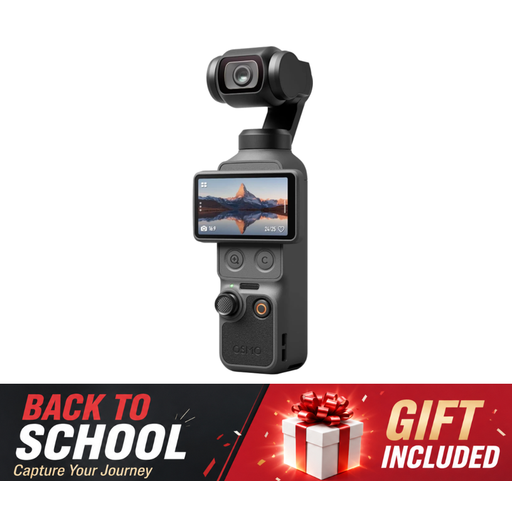
The pocket-sized design could suit you if you want to carry a camera without a large kit; check whether its perspective works for your landscape compositions.
The product name lists a 1″ CMOS sensor, 4K/240fps video, 3-axis stabilisation, 2× lossless zoom and 107GB of built-in storage.
 No image available
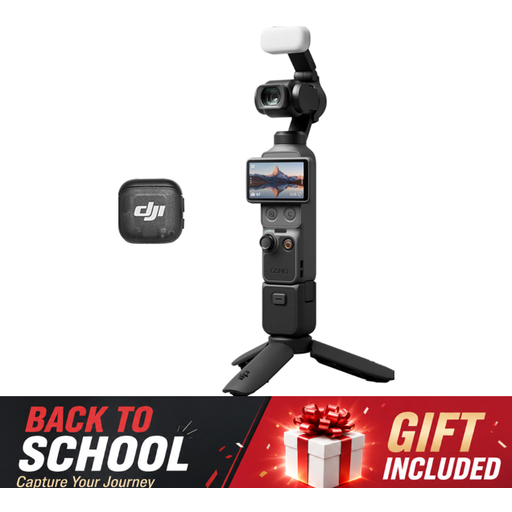
This pocket camera could suit you if you’re looking for a compact device; consider whether its field of view works with the way you capture landscapes.
The product name lists a 1″ CMOS sensor, 4K/240fps video, 3-axis stabilisation, 2× lossless zoom, 14-stop dynamic range and 107GB of built-in storage. It also mentions a grip with a 1/4″ thread.
 No image available
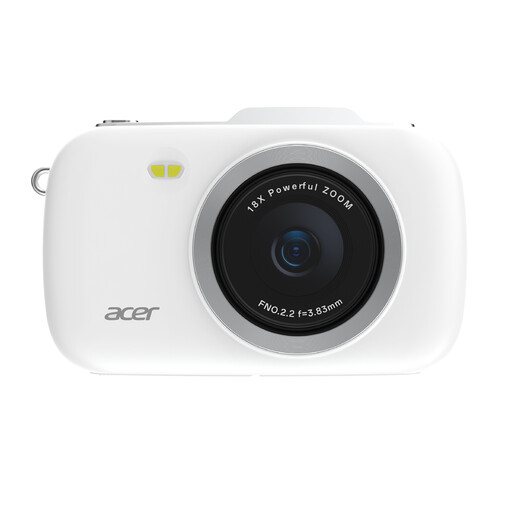
The product name describes this model as a portable point-and-shoot camera; check whether its controls and field of view suit your dune photography.
The product name lists 80MP and 18× zoom.
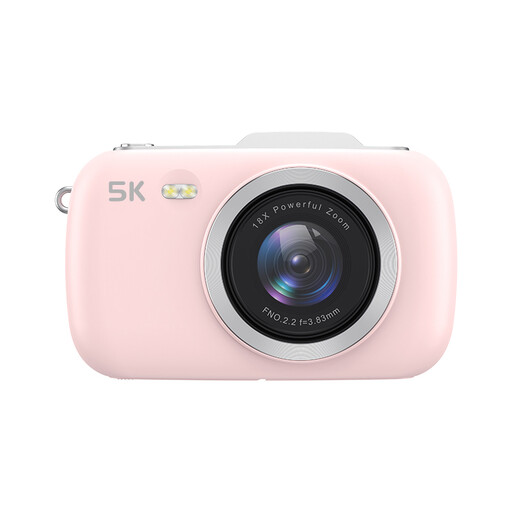 No image available
The product name describes this model as a portable point-and-shoot camera; check whether its field of view suits the landscapes you want to photograph.
The product name lists 5K/25FPS video, 80MP and 18× zoom. No SD card is included.
Image stabilisation is designed to reduce camera shake, not to freeze moving marram grass. For moving subjects, also choose a shutter speed that suits the effect you want; a stated stabilisation rating doesn’t guarantee a still subject.
You can with a system camera, but avoid opening the lens mount when sand is blowing. A zoom lens that covers the fields of view you need can reduce the need to change lenses during a walk; also check that the lens is compatible with the body.
Check whether your chosen version includes just the body or also the lens you want, and see what other accessories are included. According to the Dutch government, in the Netherlands you’re entitled to a product that works properly, and the seller must provide a solution if something is faulty; there’s no single statutory warranty period that applies to all products.
That depends on the area. In Zuid-Kennemerland National Park, walkers may only use designated roads and paths, with exceptions for specified play areas and meadows. Staatsbosbeheer states that paths are the general rule in the Schoorl Dunes and lists specific exceptions. Check the signs and current local rules; stopping for a photo doesn’t create a general exception.
In the Netherlands, online consumer purchases generally come with a statutory 14-day cooling-off period from the date of delivery. Check ACM ConsuWijzer for the applicable conditions, including rules on unpacking, trying out the product and exceptions.