For a cloudy polder sunrise, a mirrorless camera with a suitable wide-angle lens is a good choice if you want to be able to adjust the field of view. A camera with a fixed lens may be enough if its field of view suits your compositions. The Dutch Consumers’ Association recommends wide-angle lenses for landscapes and notes that the lens mount determines which lenses you can use later. Also check for RAW, exposure controls and, if needed, tripod compatibility. Stabilisation or weather sealing alone does not guarantee a sharp shot or protection from water damage.
Who is this choice for?
Sky and landscape photographer
Want to capture detail in both a brighter sky and a darker polder foreground? Pay attention to exposure controls, RAW and, if needed, exposure bracketing, rather than focusing only on the number of megapixels. MPB highlights RAW and exposure bracketing as considerations for landscape photography.
Fan of wide-open compositions
Want to frame ditches, fields and the horizon in a wide shot, with the option of choosing a different field of view later? Compare the lens and lens mount, not just the camera body. The Dutch Consumers’ Association recommends wide-angle lenses for landscape photography and points out that the lens mount determines which lenses will fit.
Early-morning walker without a tripod
Do you take your camera out in damp air and often shoot handheld? Compare the weight and stabilisation of the camera-and-lens combination, and check the protection offered by both components. Weather sealing is no guarantee against water damage.
What should you look for when buying?
Mirrorless camera with interchangeable lens
Choose this option if: you want to capture both a wide horizon and smaller details using different fields of view.
Consider: check that the lens fits the mount and see what’s included with the camera body.
Camera with a fixed lens
Choose this option if: the fixed field of view suits your compositions and you don’t want to change lenses. The Fujifilm X100VI is one example, with a 23mm F2 lens.
Consider: you can’t change the field of view by fitting a different lens.
| Consideration |
What to look for |
Who it matters to |
| Light and dark |
Check for RAW, adjustable exposure and whether exposure bracketing suits the way you work. |
If I want to retain detail in both a bright sky and a dark foreground, I focus on the exposure options available; around 33% of consumers prioritise managing this contrast. |
| Field of view |
Check which lens is included, whether it fits the mount and whether a fixed field of view suits your compositions. |
If I want to frame ditches, fields and the horizon in a wide shot and try different compositions later, I look for the flexibility to change the field of view; around 27% of consumers prioritise that freedom of choice. |
| Weight and moisture |
Compare the weight of the camera body and lens, and check the protection and usage limits for both. |
For an early walk without a tripod, I want a camera that’s easy to handle and to know how much moisture both the body and lens can withstand; around 20% of consumers prioritise portability and moisture protection. |
| Complete kit |
Check whether the right lens and other essentials, such as a memory card, are included. |
If I want to set off with a kit that’s ready to use, I check which extra components I’ll need; around 20% of consumers prioritise having a complete kit. |
Common buying mistakes
-
Comparing megapixels alone
When you have a bright sky and a dark foreground, exposure settings, RAW and, if needed, exposure bracketing are also important. A higher megapixel count won’t correct an incorrectly exposed shot.
First, work out which field of view and exposure options you need. Then compare resolution.
-
Assuming a weather-sealed body makes the whole kit rainproof
Protection varies by model, and a camera body’s specifications don’t automatically apply to the lens. You may need a suitably protected lens or additional protection.
Before using the combination in wet weather, check the stated limitations for both the body and the lens.
-
Comparing a body-only camera with a complete camera kit
With a mirrorless camera, the lens also affects the field of view and must fit the lens mount. A body on its own won’t automatically include the lens you need for a wide landscape.
Check which lens and other components are actually included, and make sure the lens fits the camera body.
Camera brands and models to compare
Fujifilm
The X-T5 is an APS-C mirrorless camera with interchangeable lenses; the X100VI is a camera with a fixed lens.
- Fujifilm lists a 40.2 MP sensor and in-body stabilisation for the X-T5. For the X100VI, the manufacturer lists a 23mm F2 lens and in-body stabilisation.
- The X-T5 needs a compatible lens; you can’t swap the lens on the X100VI for a standard interchangeable lens. These model specifications are not an independent comparison of image quality.
Nikon
Nikon lists the Z 7 as a discontinued full-frame model; the Z5II is a separate mirrorless camera with in-body stabilisation.
- Nikon lists a 45.7 MP sensor and in-body vibration reduction for the Z 7. For the Z5II, Nikon lists in-body stabilisation.
- The fact that the Z 7 is discontinued doesn’t tell you whether a particular retailer currently has it in stock. Manufacturer claims about stabilisation don’t automatically apply to other models.
Canon
The EOS R5 is a full-frame RF mirrorless camera with interchangeable lenses.
- Canon lists a 45 MP sensor and in-body stabilisation for the EOS R5.
- Canon says that a newer model is available. You’ll also need a compatible lens, and stabilisation is no guarantee of a sharp shot.
Sony
The α7R V is a full-frame E-mount mirrorless camera for anyone considering a high-resolution model.
- For this specific model, Sony lists a 61 MP sensor and image stabilisation.
- These specifications don’t prove that the camera will perform better than a lower-megapixel model at a cloudy polder sunrise. Factor the lens into your choice, too.
OM SYSTEM
The OM-5 Mark II is worth comparing if a lightweight camera for outdoor use is important to you.
- OM SYSTEM lists a weight of 418 g including battery and SD card, IP53 protection and a 20 MP sensor.
- These are body specifications. Check your chosen lens as well, and don’t assume the stated protection means unlimited resistance to rain.
Cameras at Joybuy
This selection includes pocket, 360° and digital cameras. Before choosing, check that the field of view, controls and shooting format suit the wide-open polder landscape.
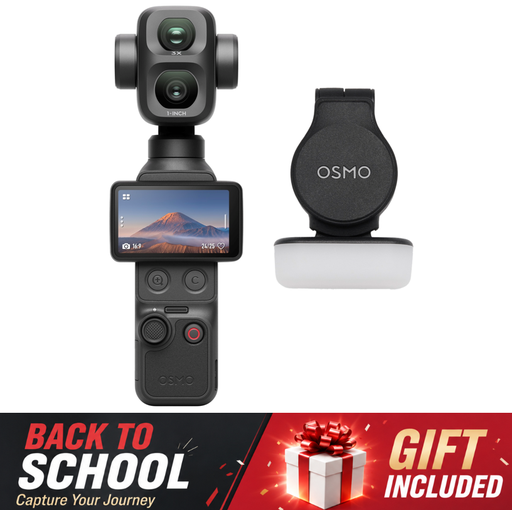 Image unavailable
Osmo Pocket 4P – Standard Combo, Black
A pocket camera could be a good fit if you want something easy to take with you; check that its field of view suits your wide polder composition.
View at Joybuy
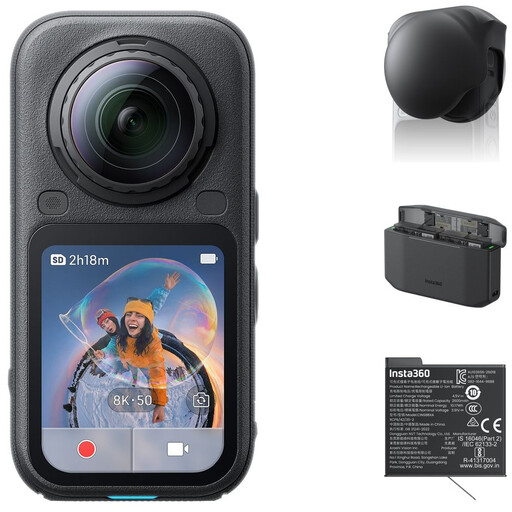 Image unavailable
Insta360 X6 – Standard Bundle with Lens Cap, Xtreme Battery and Fast Charge Case
Consider this camera if you want to create a 360° composition; decide in advance how you want to capture the horizon and frame your shot.
The product name lists a Lens Cap, Xtreme Battery and Fast Charge Case in the bundle.
View at Joybuy
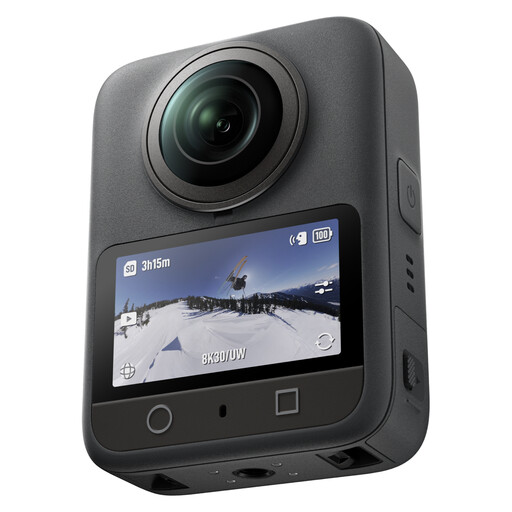 Image unavailable
DJI Osmo 360 – Standard Combo
Choose this shooting format only if you’re specifically looking for a 360° composition; check that it suits the landscape you want to capture.
View at Joybuy
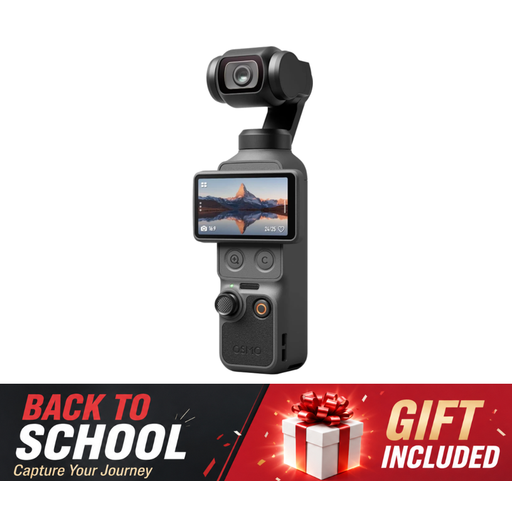 Image unavailable
DJI Osmo Pocket 4 – Standard Combo
The zoom and screen features may be useful if you want to adjust your composition on the spot; compare the field of view with the polder scene you want to frame.
The product title lists a 1″ CMOS sensor, 4K/240fps, 3-axis stabilisation, 2× lossless zoom, 107GB of built-in storage and a 2″ rotatable screen.
View at Joybuy
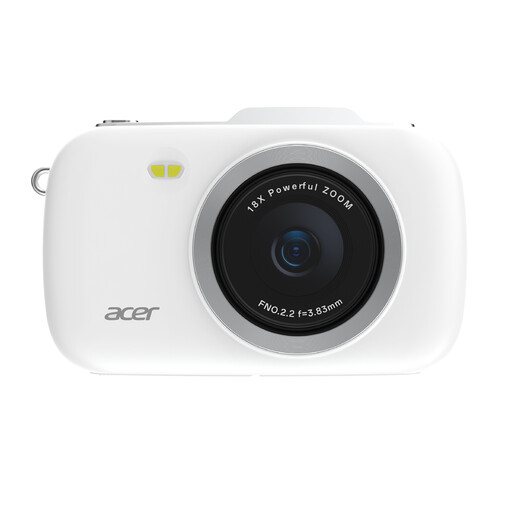 Image unavailable
KOMERY G7-A 4K, 80MP, 18× zoom – White
The zoom may come in handy if you want to frame distant subjects as well as the landscape; check that the camera also gives you enough scope for wide compositions.
The product title lists 4K, 80MP and 18× zoom.
View at Joybuy
Frequently asked questions
Is a tripod useful for a cloudy sunrise?
Yes. For a still landscape, a tripod can reduce camera movement when light is low and you want to use a slower shutter speed. Check where you can set it up safely at your chosen location and in line with the access rules.
Is a weather-sealed camera body enough in the rain?
No. Check the lens you’ve chosen and the limitations the manufacturer specifies for both components. Weather sealing varies by model and is no guarantee against water damage.
What should I do after a damp walk?
Store batteries somewhere dry and not too warm, and follow your model’s care instructions. Watch out for dust and dirt when changing lenses: according to the Dutch Consumers’ Association, they can get onto the lens or inside the camera and affect your photos.
What are my rights when I buy a camera online in the Netherlands?
For an online purchase, you generally have a statutory cooling-off period of up to 14 days after delivery, subject to legal exceptions explained by ACM ConsuWijzer. The seller must also put right any product that, under normal use, fails to meet what you could reasonably expect under the statutory guarantee.
Can I take photos anywhere in a nature reserve before sunrise?
No. Don’t assume that every location is open at all times. Staatsbosbeheer asks visitors to check the access signs in its areas and stick to designated paths. Check the relevant site manager’s guidance and local rules for your location, too.


