
Candle-maker with an online shop
If you take product photos of several candles, a repeatable set-up can help keep their shape, labels and colours recognisable. Canon Netherlands recommends using a tripod to keep compositions consistent.


Start with a consistent set-up, controlled lighting and control over exposure. You don’t automatically need a new camera to capture a candle and its flame against a dark background. Only consider another camera if you need more control over RAW, framing or close-up lenses. If you’re choosing a mirrorless camera, check which lens is actually included in the kit.
If you take product photos of several candles, a repeatable set-up can help keep their shape, labels and colours recognisable. Canon Netherlands recommends using a tripod to keep compositions consistent.
If you want the dark background and the candle or flame to stand out together, you’ll need to control the scene’s lighting. Canon Netherlands explains that automatic metering can make dark scenes appear lighter.
If you want to capture the texture of the wax or fine decorations up close, it’s worth checking the lens’s magnification and working distance. Sony Netherlands explains these lens features.
Start with the photo you want and the camera you already own. First, improve your lighting set-up and exposure control. Then consider whether you need another lens or camera for your framing, workflow or repeat product shots.
| Consideration | What to look for | Who should prioritise this? |
|---|---|---|
| Exposure and dark backgrounds | Check whether you can set or adjust the exposure manually; keep the main light off the background. | If I want the candle and flame to remain visible without losing the dark atmosphere, exposure control is my main consideration. Around 40% of consumers say this is their top priority. |
| Colour and consistency | Check for RAW support and white balance settings; see whether you can repeat your lighting set-up and camera angle. | For a series of candle photos, I want the colours, labels and framing to look consistent. Around 30% of consumers prioritise consistent product photos and colour control. |
| Close-ups of details | Compare the maximum magnification and working distance of the exact lens; decide whether you want to fill the frame with a whole candle or a small detail. | If small decorations or the texture of the wax need to appear larger in the frame, I first check how close the lens can focus. Around 20% of consumers prioritise detail magnification. |
| Keeping your kit simple | Check which lens is included with the exact kit and whether it’s fixed or interchangeable. | If you’d rather have one straightforward kit than choose from extra lenses, focus on what’s actually included with the camera. Around 10% of consumers make the simplicity of the complete kit their top priority. |
Magnification and working distance depend on the lens you choose. A body or standard kit doesn’t guarantee that small details will appear large enough in the frame.
Compare complete body-and-lens combinations and decide in advance how small the detail you want to photograph is.
Close-ups may require a separate, suitable lens. A tripod can help you repeat a fixed product set-up.
Light falling on the background and the exposure metering both affect how dark the background appears. A new body won’t change your lighting set-up by itself.
First, take test shots with controlled lighting and adjust the exposure before deciding you need to replace your camera.
On the Panasonic DC-G100DW specification page reviewed, the stated 5-axis HYBRID I.S. applies to video recording only.
Check stabilisation claims for the exact version and shooting mode; use a tripod if needed for a fixed product set-up.
The EOS R50 offers an interchangeable-lens option if you want to build a compact product photography set-up. The kit reviewed includes the RF-S 18-45mm F4.5-6.3 IS STM lens.
The Z50II has a Z mount, so you can choose a suitable lens for the shooting distance you need.
The X-S20 is a mirrorless camera for anyone looking to explore RAW processing and a choice of X mount lenses.
The α6700 is an APS-C camera with interchangeable E mount lenses. Sony Netherlands also provides separate guidance on macro magnification and working distance.
The LUMIX G100D offers a Micro Four Thirds system with an interchangeable lens.
These cameras may help you compare your options. For candle photography, check that the version, controls and framing you need suit your set-up.
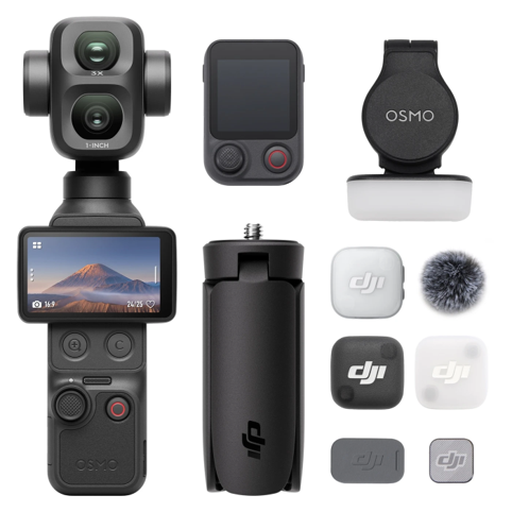 Image unavailable
Check whether this vlogging-focused version suits a fixed product photography set-up and the framing you need.
 Image unavailable
Check whether this vlogging-focused version suits a fixed product photography set-up and the framing you need.
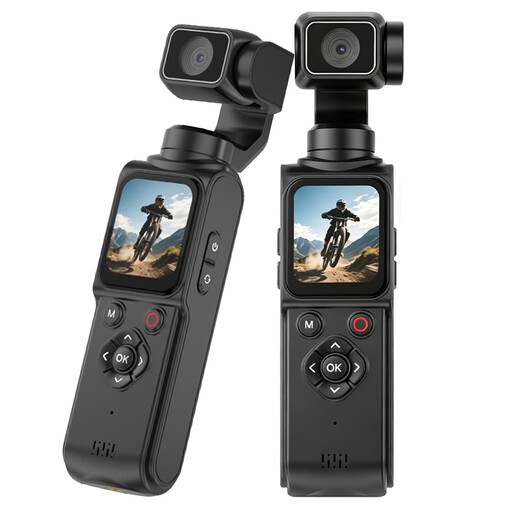 Image unavailable
The product name mentions a rotating lens. Check whether the camera suits the fixed framing and shooting distance you want for candle photography.
The product name lists 4K and 64 MP.
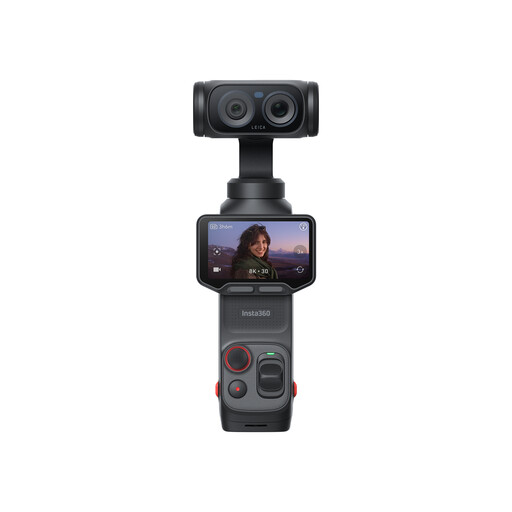 Image unavailable
Check whether this version suits the fixed composition and type of candle detail you want to photograph.
 Image unavailable
Before choosing it for product photography, compare its shooting distance and the framing you need with what this camera offers.
The product name lists 5K, 80 MP and 18x optical zoom.
Not necessarily. First decide how you want to frame the shot. For small label or wax details, check the maximum magnification and working distance of the exact lens.
In a scene with lots of dark tones, automatic metering can make the image brighter. Try manual exposure or exposure compensation, and direct the light at the candle rather than the background.
Use a stable camera set-up and repeat the framing and lighting. RAW can help you adjust white balance and tones afterwards, but it requires post-processing.
Follow the safety advice from the Netherlands Fire Service: use a sturdy holder and keep easily combustible materials away from the candle.
For a consumer purchase, the product must meet what you’re entitled to expect. If there’s a fault, the seller is your point of contact, according to the Dutch government. For an online purchase from a business, you’ll usually have 14 days to change your mind, subject to legal exceptions. These consumer rules don’t necessarily apply to a business purchase for a candle-making business.