What should you look for when choosing?
First decide whether your priority is preserving reflections, travelling light or experimenting with shutter speed and exposure. Then compare the controls and the complete camera kit that best suits your choice.
| What to consider |
What to look for when buying |
Who is this important to? |
| Responding quickly to changing daylight |
Look at the controls for exposure compensation and aperture-priority mode; also check whether RAW is supported. |
When the light changes quickly during a walk, I want to be able to adjust the exposure easily. This is the top priority for around 29% of consumers. |
| Preserving the reflection you want |
Decide whether you want to emphasise the reflection or the view beneath the water; then check whether the lens can take a suitable filter. |
I want to keep recognisable buildings in the water, rather than automatically filtering out every glint. Around 23% of consumers put preserving the reflection first. |
| Taking a camera on a walk |
Compare the weight of the complete kit and check whether the fixed zoom or supplied lens gives you the angle of view you need. |
For a walk, I want a kit that’s easy to carry, without having to keep changing lenses. This is the top priority for around 18% of consumers. |
| Details and crops of quaysides and buildings |
Compare the lens’s angle of view and mount; check whether RAW storage is available if you want to use it. |
If I want to switch between a wide canal shot and a close-up of a building, having a choice of angles of view matters. Around 18% of consumers put composition and detail first. |
| Choosing how to capture moving water |
Check the shutter speed controls and whether an ND filter is included or can be used with your chosen lens. |
I want to decide for myself whether moving water stays sharp or blurs with a longer exposure. This movement effect is the top priority for around 12% of consumers. |
Cameras for photography on the go
This selection from Joybuy includes compact cameras and handheld cameras for photography on the go. Check each model to see whether its controls, lens and any filter options suit the canal shots you want to take.
 No image available
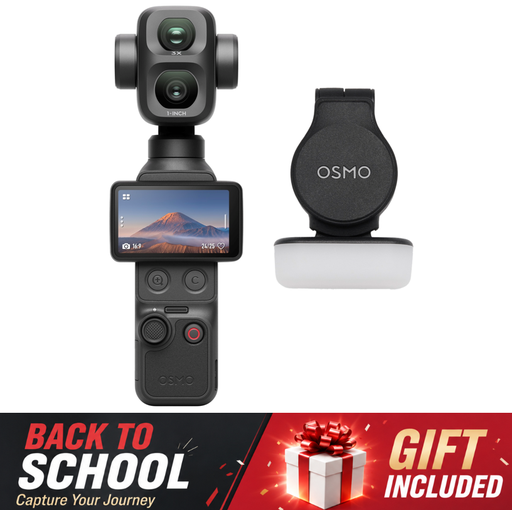
Osmo Pocket 4P Standard Combo, black
The stated wide-angle lens is a good fit if you want to capture the canal and quayside together.
The product information lists a 1-inch CMOS sensor and a 20mm f/2.0 wide-angle lens.
Joybuy
 No image available
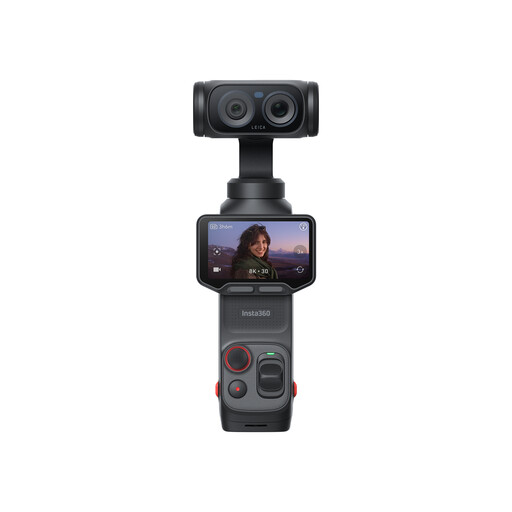
Insta360 Luna Ultra Standard Bundle, Cosmic Black
The product information lists two lenses, making this a good option if you want to explore different angles of view.
The description lists a main sensor lens and a telephoto lens.
Joybuy
 No image available
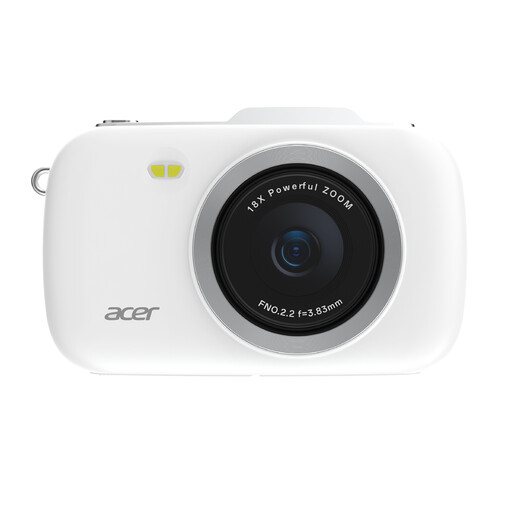
KOMERY G7-A 4K digital camera, white
This portable zoom camera could suit you if you don’t want to change lenses while out walking.
The title lists 18× zoom and 4K video.
Joybuy
 No image available
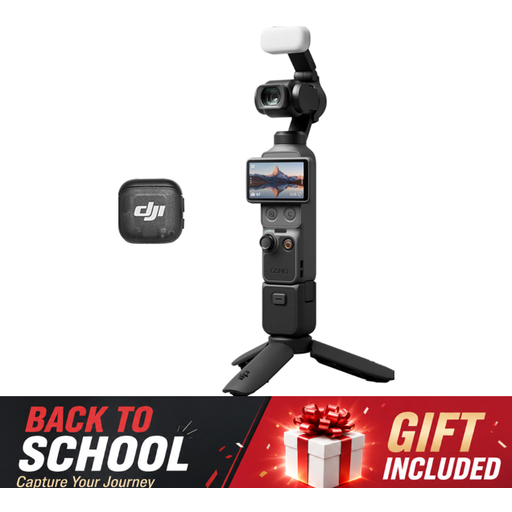
DJI Osmo Pocket 3 Creator Combo
The rotating touchscreen can be useful if you want to check your composition on the screen.
The title lists a 1-inch CMOS sensor, 4K/120fps video and 3-axis stabilisation; the product information lists a 2-inch rotating touchscreen.
Joybuy
 No image available
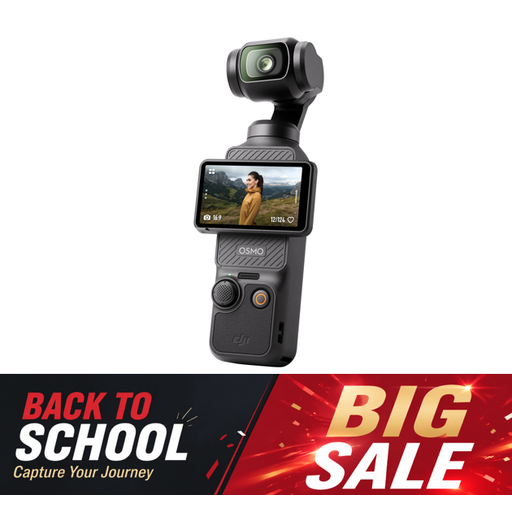
DJI Osmo Pocket 3
The product information lists a rotating touchscreen, so you can check your composition while taking photos.
The title lists a 1-inch CMOS sensor, 4K/120fps video, 3-axis stabilisation and a 2-inch rotating touchscreen.
Joybuy
Frequently asked questions
Should I use a polarising filter for canal reflections?
Not as a rule. A polarising filter can reduce glare on water, but it may also weaken the reflection you want to capture. Compare the image with and without the filter before you decide.
How should I set up my camera when the daylight changes?
Aperture-priority mode is a useful approach: you choose the aperture and the camera adjusts the shutter speed. Check the shutter speed again when clouds pass or the water is moving.
Do I need an ND filter for every shot of moving water?
No. An ND filter is mainly useful when you want a longer exposure in bright light without overexposing the image, as Nikon USA explains. If you don’t want to blur the movement, that effect won’t suit your aim.
Who can help if a camera bought in the Netherlands breaks too soon during normal use?
According to ACM ConsuWijzer, the seller is responsible for the statutory guarantee. What you can expect in terms of lifespan depends on the circumstances; in the Netherlands, there is no fixed period for the statutory guarantee, says the Netherlands Authority for Consumers and Markets.
Can I publish canal photos publicly if passers-by are recognisable?
Not necessarily. The Dutch Data Protection Authority distinguishes between private use within a limited circle and sharing publicly; the household exemption does not apply to public sharing. You need a GDPR legal basis to process images of identifiable people, and the assessment depends on how the image is used and what it shows.


