A mirrorless camera with a suitable zoom lens lets you adjust your framing, while a compact camera with a fixed lens means carrying fewer separate accessories on a walk. Calm water is key to capturing a clear reflection, and a polarising filter can actually reduce reflections. If you choose a mirrorless camera, check which lens comes in the kit. And remember: stabilisation helps counter camera shake, but it won’t make the water still.
Who is this choice for?
Photographers who want to preserve the reflection
If you want to capture both autumn colours and a recognisable reflection, pay attention to how calm the water is and to the effect of any polarising filter. Canon Europe recommends finding a sheltered spot or waiting for the wind to drop; Nikon explains that a polarising filter can reduce reflections on water.
Photographers who want to frame the whole canal
If you want to capture the row of trees, the banks and the reflection together, check the field of view of the lens actually supplied with the camera. Consumentenbond and Canon Netherlands provide information about cameras and the RF-S 18-45mm lens.
Walkers travelling light
If you want to take photos on the go without carrying lots of separate accessories, weigh up a compact camera with a fixed lens against a mirrorless camera with interchangeable lenses. Consumentenbond explains the difference, while Sony Netherlands provides specifications for the RX100 VII.
What should you look for when buying?
Mirrorless camera with zoom lens
Suitable if: you want to frame the trees and their reflection together, with the option to change lenses later.
Consider: check which lens is included in the kit; an interchangeable lens or filter is not necessarily supplied. Canon gives the RF-S 18-45mm an equivalent range of 29–72 mm.
Compact camera with fixed zoom lens
Suitable if: you want to take one camera on a walk without carrying separate lenses.
Consider: the lens cannot be changed. Sony specifies a fixed 24–200 mm full-frame equivalent range for the RX100 VII; check whether the wide-angle setting can capture the whole scene.
Mirrorless camera for handheld shots
Suitable if: you often take photos in fading light and work without a tripod.
Consider: compare the stabilisation in your chosen camera body and lens. For a slow shutter speed, Nikon recommends using a tripod or another stable surface; moving water and leaves may still move.
Four factors matter for this canal scene: preserving the reflection, capturing the full composition, portability and sharpness in low light. The percentages show which factor takes priority in the choice described.
| Consideration |
What to check before buying |
Who it matters to |
| Preserving the reflection |
First view the scene without a filter. If using one, check that the polarising filter fits the lens and try different filter settings. |
If I want the reflection of the trees to remain recognisable, I pay attention to how calm the water is and to the effect of a filter on the reflection. This is the top priority for around 33% of consumers. |
| Framing the trees and water together |
Check the wide-angle end of the lens or fixed zoom actually supplied, preferably in full-frame equivalent. |
If you want to capture the row of trees, the banks and the reflection together, the available field of view is the main thing to consider. Around 27% of consumers prioritise capturing the complete composition. |
| Taking your camera on walks |
Assess the complete kit, including the lens and any tripod, rather than just the weight of the camera body. |
If I want to take photos quickly on a walk without carrying several separate lenses, portability matters a lot. It is the top priority for around 20% of consumers. |
| Sharpness in low light |
Check where the stabilisation is located and whether you will need a stable surface for the shutter speed you have in mind. |
If you want to reduce camera shake in fading light, compare the stabilisation in the specific body-and-lens combination and consider whether you will need a stable surface. Around 20% of consumers prioritise this. |
Common buying mistakes
-
Buying a polarising filter to make the reflection stronger
A polarising filter can actually reduce reflections on water. This may work against the effect you want: a clear reflection of the trees.
First decide whether you want to preserve the reflection or reduce glare. Then check that the filter fits your chosen lens.
-
Comparing camera bodies alone
The lens partly determines the field of view, and kits with the same camera can include different lenses. As a result, the whole canal may fit into the frame differently.
Check the full model name and what is included in the kit. Also allow for any extra equipment you may need, such as a suitable lens, filter or tripod.
-
Confusing image stabilisation with still water
Stabilisation helps counter camera shake, but it cannot stop the wind disturbing the surface of the water.
For a clear reflection, choose a calmer moment. If you deliberately use a slow shutter speed, use a stable surface, as Nikon recommends.
A tripod or other stable surface takes up extra space in your walking kit.
Camera brands to consider
Canon
EOS R cameras are an option if you want an interchangeable lens. The EOS R10 with the RF-S 18-45mm is a specific example of a camera body supplied with a lens.
- Canon gives the RF-S 18-45mm a 29–72 mm full-frame equivalent range and specifies optical stabilisation.
- These specifications apply to this lens. Check which lens is actually included in the kit on offer.
Nikon
The Z50II with 16-50mm VR and 50-250mm VR lenses offers two focal ranges for wide views and tighter shots.
- Nikon says both lenses in this specific two-lens kit have VR stabilisation.
- The extra lens is another item to carry. A Z50II body or another kit does not automatically include both lenses.
Fujifilm
The X-S20 is a mirrorless camera with in-body stabilisation and a lens of your choice.
- Fujifilm specifies an APS-C sensor and five-axis image stabilisation in the X-S20 body.
- The stated compensation of up to 7.0 stops is a manufacturer specification, not a guarantee when photographing moving water. Check which lens is included in a kit.
Sony
The RX100 VII is an example of a compact camera with a fixed zoom lens, suited to walks and changing your framing.
- Sony specifies a 13,2 × 8,8 mm sensor and a 24–200 mm full-frame equivalent lens range for this model.
- The lens cannot be changed. This consideration applies to this model, not to all Sony cameras.
OM SYSTEM
The original OM-5 is an example of a mirrorless camera for anyone specifically looking for protection for the camera body in changeable weather.
- OM Digital Solutions lists an IP53 rating and five-axis image stabilisation for the original OM-5 body.
- These specifications apply to the body; they do not confirm the same protection for a lens or complete kit, and say nothing about the current availability of this version.
Cameras at Joybuy
Camera options for framing autumn trees and their reflections, including mirrorless cameras with zoom lenses and cameras with fixed lenses.
 No image available
Sony ZV-E10 + 16-50mm Zoom Black
The included zoom lens gives you different options for framing the trees and their reflection.
Sony E-mount; APS-C sensor.
View at Joybuy
 No image available
Sony Alpha A6100 + 16-50mm f/3.5-5.6 OSS II
The included 16-50mm zoom lens gives you different framing options for the scene.
APS-C sensor; the kit includes a Sony E PZ 16–50mm OSS II lens.
View at Joybuy
 No image available
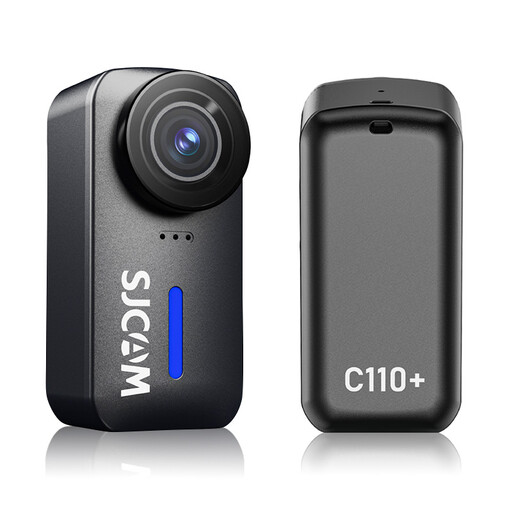
SJCAM C110+ 4K Action Camera
The stated field of view may be useful if you want to capture a wide scene; check whether this type of camera suits the way you take photos.
170° lens; 20MP photos; 82 g. The stated waterproof rating of up to 30 m requires the supplied housing.
View at Joybuy
 No image available
Songdian Digital Camera, White
The built-in zoom lens gives you different framing options without having to change a separate lens.
8× optical zoom; 5K; 64MP.
View at Joybuy
 No image available
KOMERY G7 5K Digital Camera, White
This point-and-shoot camera is an option to take with you if you want a fixed camera setup.
18× optical zoom; 80MP.
View at Joybuy
Frequently asked questions
Do you always need to buy a polarising filter for a strong reflection of the trees?
No, not if you want to preserve the reflection. A polarising filter can reduce reflections on water. First try taking photos without a filter. If you want to adjust the glare deliberately, check that the filter is compatible with your lens.
How can you take a calmer-looking or deliberately blurred photo of water?
For a clear reflection, Canon suggests finding a sheltered spot or waiting for the wind to drop. If you want to use a very slow shutter speed, Nikon recommends putting the camera on a tripod or another stable surface; this will not make the water itself calmer.
Is an extra manufacturer’s warranty necessary when buying in the Netherlands?
A paid-for extra warranty does not replace your statutory guarantee. According to the Dutch government, you have a statutory guarantee when you buy a product, and the seller must provide a solution if there is a problem. Consider any extra warranty in light of the additional rights it offers under its terms and conditions.
Can you share canal photos publicly if passers-by are recognisable?
Bear privacy rules in mind before sharing these photos publicly. The Dutch Data Protection Authority regards identifiable people as personal data. The exception for personal or household use applies to private use or sharing within a very limited circle. Whether public sharing is lawful in a particular case depends, among other things, on how the photo is used and the applicable legal basis.


