First, decide what field of view you need from your chosen spot and how much camera equipment you want to carry. A camera with a fixed lens keeps your kit simple, while a zoom or interchangeable lens gives you more flexibility to change your framing. Image stabilisation helps reduce camera shake, but it won’t freeze moving leaves. If you’re shooting in the rain, check the weather protection of the lens you’re using too.
Who is this choice relevant to?
Walker travelling light
You want to be able to take photos quickly as you walk along the canal, so you need to decide how much camera equipment you’re happy to carry. The Consumers’ Association (Consumentenbond) highlights size and ease of use as factors to consider when choosing a camera.
Photographer who wants different compositions
You want to capture both a wide view of the tree-lined canal and details further away from the same spot on the quay. The Consumers’ Association highlights zoom range as a factor to consider; with a fixed lens, the field of view determines how you frame your shot.
Photographer in changeable weather
You may want to keep taking photos in light rain, so check the weather protection of the camera-and-lens combination, not just the body.
What should you look for when choosing?
Compact camera with a fixed field of view
A good fit if: you want to walk without carrying a separate lens and already know which field of view suits your viewpoint.
Bear in mind: you can’t optically zoom in. To change your composition, you’ll need to move or crop the photo.
Compact camera with a zoom lens
A good fit if: you want to switch between a view of the canal and details of trees further away, without changing your position.
Bear in mind: check the zoom range and controls. Zoom alone doesn’t tell you how well the camera performs in low light.
Mirrorless camera with an interchangeable lens
A good fit if: you want to choose a lens to suit different compositions or future photography plans.
Bear in mind: compare the complete kit. The weight and weather protection of the lens matter as well as those of the camera body.
First, decide whether you need one field of view from your chosen spot or want to be able to create different compositions. Then compare the complete kit and the controls you need.
| Feature to consider |
What to look for when buying |
Who it matters more to |
| Sharp shots when shooting handheld |
Check the stabilisation offered by the model or the camera-and-lens combination, and whether you can easily adjust the shutter speed. Nikon notes that moving leaves call for an appropriate shutter speed. |
I want sharp shots on a walk without a tripod, and need to account for both camera shake and moving leaves. Around 33% of consumers put handheld sharpness first. |
| Wide and tighter compositions |
Compare fields of view in 35mm-equivalent terms and consider whether you can change your position along the quay. According to Canon Nederland, the Canon PowerShot G7 X Mark III has a 24–100 mm equivalent range. |
I want to frame both the canal and distant tree details from one spot. Around 27% of consumers put the ability to change their composition first. |
| Weight to carry |
Compare weights on the same basis, including the battery and card, and include your chosen lens when considering a mirrorless camera. |
I want to carry my complete camera kit comfortably on a walk. Around 20% of consumers put keeping the weight down first. |
| Taking photos in light rain |
Check the weather protection of the exact camera body and lens, and follow their instructions for use. OM SYSTEM lists IP53 for the OM-5 Mark II body; this rating doesn’t automatically apply to every lens. |
I want to keep taking photos in changeable weather and assess the camera with the lens I actually plan to use. Around 20% of consumers put taking photos in light rain first. |
Things to consider when taking photos
-
Assuming stabilisation will keep everything sharp
Image stabilisation is designed to reduce camera shake. Moving leaves can still look blurred if the shutter speed isn’t fast enough to capture their movement.
Consider your subject and the available light, and check the shutter speed on your camera. Nikon describes shutter speed as a factor in freezing motion.
-
Comparing only the weight of the camera body
With a mirrorless camera, the lens adds to the weight of your kit and affects the field of view you can use. The body’s weight therefore doesn’t represent the weight of the complete kit.
Compare complete, usable kits and check what’s included with the version you’ve chosen. A suitable lens, extra battery or memory card may need to be bought separately.
-
Using a polarising filter without considering reflections
A polarising filter can reduce glare and reflections on water, but the reflection of the trees may be an important part of your composition. Nikon describes how this filter works when taking photos of water.
Decide in advance whether you want to see through the water or keep the reflection.
-
Assuming the lens has the same weather protection as the camera body
A camera body’s specifications don’t automatically tell you how well the attached lens is protected.
Check the stated weather protection of the exact body and lens before continuing to take photos in the rain, and follow their instructions for use.
Camera brands compared
Ricoh
The GR IV is a compact APS-C camera with a fixed field of view of around 28 mm equivalent, for anyone who wants to carry as little kit as possible.
- Ricoh Imaging Europe specifies five-axis image stabilisation.
- The lens has no optical zoom, so check in advance whether its field of view suits your viewpoint.
Canon
The PowerShot G7 X Mark III offers a compact zoom option, while the EOS R7 is an APS-C mirrorless camera with interchangeable RF and RF-S lenses.
- Canon Nederland specifies a 24–100 mm equivalent range and lens stabilisation for the G7 X Mark III. The EOS R7 has in-body image stabilisation.
- The stated stabilisation benefit of the EOS R7 also depends on the lens you use. EF-M lenses aren’t compatible with the R7.
OM SYSTEM
The OM-5 Mark II is a mirrorless camera worth considering if a lightweight body and stated weather protection for outdoor use are important to you.
- OM SYSTEM lists a weight of 418 g, including the battery and card, and an IP53 rating for the body.
- Add the lens to the weight and check its protection separately. The stated stabilisation benefit is based on the manufacturer’s figures.
Fujifilm
The X100VI has a fixed field of view of around 35 mm equivalent and a viewfinder, making it a good option if you want to work with one composition by design.
- Fujifilm specifies an APS-C sensor and five-axis stabilisation for the fixed 23 mm F2 lens.
- You can’t change the lens or zoom in optically.
Nikon
The Z6III is a full-frame mirrorless camera worth considering if an expandable kit and viewfinder-based controls suit your plans.
- Nikon lists a 24,5 MP full-frame sensor and a high-resolution electronic viewfinder.
- Consider the camera body alongside a suitable lens. Extra video and speed features aren’t necessarily a deciding factor for photographing a canal landscape.
Joybuy cameras for photography on the go
Below are compact and pocket cameras for photography on the go. For each model, check what the stated zoom means and whether the field of view described suits your chosen spot along the canal.
 No image available
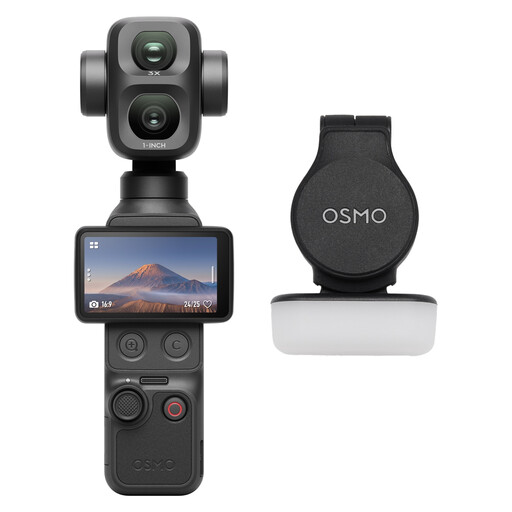
Osmo Pocket 4P Standard Combo, black
The product title identifies this as an Osmo Pocket camera. Check in advance whether its framing suits your chosen spot.
Version: Standard Combo, black.
View at Joybuy
 No image available
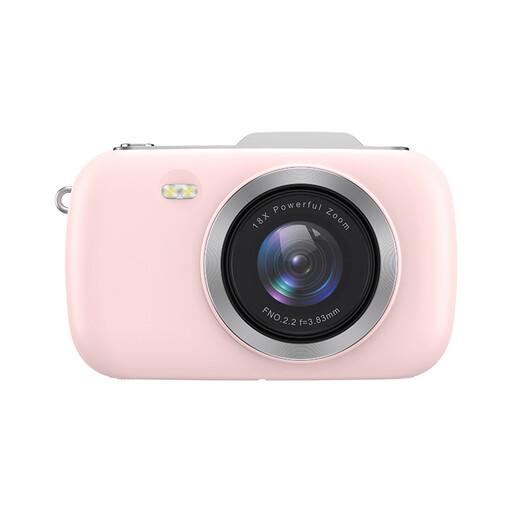
KOMERY G7-A 4K camera, pink
The product title mentions zoom. Check what type of zoom it is if you want to frame tree details from the same spot.
The product title lists 4K and 18X zoom.
View at Joybuy
 No image available
KOMERY G7 5K camera, white
The stated zoom may be useful for changing your composition. Check which type of zoom this version uses.
The product title lists 5K, 80MP and 18X zoom.
View at Joybuy
 No image available
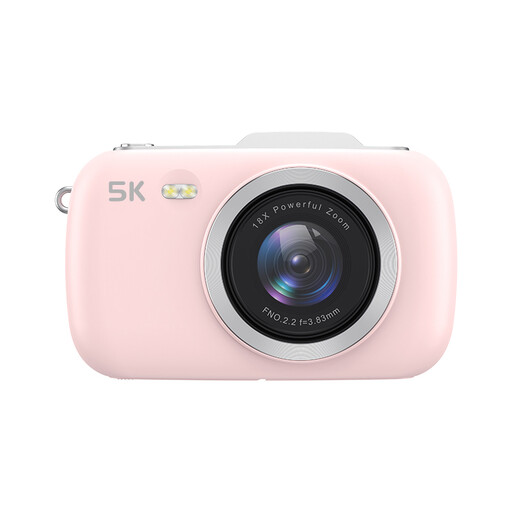
KOMERY G7 5K camera, pink, without SD card
Check the type of zoom if you want to use this version to frame tree details from the same spot.
The product title lists 5K, 80MP and 18X zoom. An SD card isn’t included.
View at Joybuy
 No image available
Songdian Pocket Camera 4K 44MP, pink
If you want to frame tree details, check what the stated zoom means before choosing this model.
The product title lists 4K, 44MP and 16X zoom.
View at Joybuy
Frequently asked questions
Can image stabilisation keep moving autumn leaves sharp?
No. Image stabilisation is designed to reduce camera shake. If the leaves are moving and you want to freeze that movement, pay attention to the shutter speed and check the result in the available light.
What should you check before taking photos in light rain?
Check the instructions for use and weather protection of both the camera body and the attached lens. OM SYSTEM’s IP53 rating for the OM-5 Mark II body doesn’t automatically apply to every lens.
Are you always limited to a two-year warranty when buying online in the Netherlands?
No. According to ACM ConsuWijzer, statutory guarantee in the Netherlands has no fixed term: a product must last for as long as you can reasonably expect it to under normal use. If a product is faulty, the retailer is your point of contact. Online purchases from a business generally also come with a 14-day cooling-off period, subject to statutory exceptions.
Can you post a canal photo online if passers-by are recognisable?
Not automatically. The Dutch Data Protection Authority distinguishes between photos kept private or shared only with a very limited group and those published more widely or for business purposes. If people are recognisable, consider which GDPR legal basis applies to your use of the photo before publishing it.
Should you choose a prime lens or a zoom for photographing trees along the canal?
A prime lens is a good choice if you already know that its field of view works from your viewpoint and you want to carry as little kit as possible. A zoom gives you more flexibility to switch between a wide composition and tree details from the same spot. Check the zoom range and the type of zoom.


