What should you look for when choosing?
First, measure the available camera height and test your largest card. Then compare the camera setup, detail capabilities and equipment you’ll need.
| What to consider |
What to look for |
Who is this important for? |
| Fitting the whole card in the frame |
Test the focus at the zoom setting you plan to use and check that the whole card fits in the frame at the available height. Also check whether the edges appear straight. |
If you have limited space on your table, you’ll want to photograph the whole card without the camera being too close. Around 36% of consumers prioritise space and full framing. |
| Colour and reflections |
Take test shots in stable, controllable light and assess colour and reflections separately. Camera resolution alone does not guarantee accurate colour reproduction. |
If you’re photographing cards with tricky colours or a glossy finish, you’ll want to assess how the light falls on your work. Around 29% of consumers prioritise colour and reflections. |
| Small print details |
Check the focusing distance at each zoom setting and see whether a crop retains enough detail for your needs. |
If you want to photograph small print details separately, close focusing is useful, but you’ll also need a suitable crop. Around 21% of consumers prioritise details and cropping. |
| Keeping the setup simple |
Compare a fixed lens with an interchangeable lens and check exactly what comes with the camera. Also consider support and lighting. |
If you want to get started with as few separate components as possible, the lens setup and box contents matter. Around 14% of consumers prioritise a simple purchase and setup. |
Joybuy products
The products below range from compact point-and-shoot cameras to Sony cameras with a stated 16–50mm zoom lens. Compare the camera setup and test whether the framing you want works on your table.
 No image available
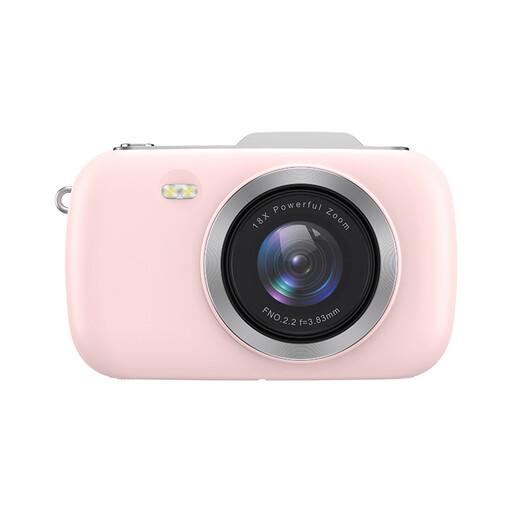
KOMERY G7-A 4K 80MP 18X camera, pink
The product title describes this model as a portable point-and-shoot camera. Check that the camera and support will fit together on your worktable.
The product title lists 4K, 80MP and 18X.
View at Joybuy
 No image available
Songdian Pocket Camera 4K 44MP, pink
The title describes this as a pocket camera. Check with your largest card to see whether you can achieve the framing you want at the available camera height.
The product title lists 4K and 44MP.
View at Joybuy
 No image available
Sony ZV-E10 with 16-50mm zoom lens, black
The product title lists a camera with a 16-50mm zoom lens. Test whether the zoom setting you want captures the whole card on your table.
The title lists a 16-50mm zoom lens.
View at Joybuy
 No image available
Sony Alpha A6100 with 16-50mm f/3.5-5.6 OSS II
The product title lists the camera with a 16-50mm lens. Check the framing and focus at the height you actually have available.
The title lists a 16-50mm f/3.5-5.6 OSS II lens.
View at Joybuy
Frequently asked questions
How can you check whether the whole card will fit in the frame on a small table?
Take a test shot of your largest card at the available camera height. Check the framing and focus at the zoom setting you’re using, and make sure the camera can be held steadily directly above the card. The minimum focusing distance alone won’t answer these questions.
What can you do if glossy cards show distracting bright spots?
Adjust the direction or spread of the light, then assess another test shot. The Smithsonian Institution Archives has described how adjusted indirect lighting can reduce reflections on reflective objects. Test what works for your cards.
What extra equipment should you check before buying?
Check exactly what’s included and whether you already have stable support and suitable lighting. Canon and Nikon describe kits that include a specified lens; don’t assume another offer contains the same items.
What are your rights if a camera you’ve bought in the Netherlands develops a fault?
According to ACM ConsuWijzer, when you buy as a consumer, you have a legal guarantee in addition to any seller’s or manufacturer’s guarantee. If a product breaks too soon under normal use, the seller is responsible for providing an appropriate solution. There is no single fixed legal guarantee period that applies to every camera.
Can you publish photos of someone else’s art cards online?
Not automatically. According to the Dutch government, making a copy for personal use is different from distributing or publishing copyright-protected work. You may need permission from the rights holder to publish it. If it’s your own work or you’ve acquired the rights, check what permissions apply.


