
Vandaag of morgen in huis

Kwaliteit gegarandeerd

Welkomstaanbiedingen ontgrendelen: GRATIS bezorging | Tot 80% korting | Gratis 30 dagen JoyPlus-proefperiode
Download de app
Dry, frizzy or dull hair doesn’t automatically call for the most expensive product. When choosing camellia haircare, the main things to consider are your hair type, the formula and how you use the product. Camellia oil, also known as Tsubaki oil, is often combined with argan oil, glycerine, silicones or proteins in nourishing hair products.
There are, however, a few common pitfalls that can lead you to buy a product that doesn’t suit your routine.
Marketing copy often talks about repairing damaged hair. A rinse-out product can temporarily leave your hair feeling softer, smoother or easier to comb, but it won’t permanently repair split ends. So look for verifiable information such as:
Claims about shine, softness or repair come from the brand or retailer’s product description. They shouldn’t be taken as a guaranteed result for every hair type.
A camellia shampoo can cleanse your hair nicely, but shampoo is usually used briefly and then rinsed out. For extra conditioning, a conditioner or Tsubaki hair mask may make more sense. Also check where camellia oil appears in the ingredients list and what other ingredients are included.
Argan oil and camellia oil are often combined to give a nourishing feel. However, if you have fine hair, you may find that a rich formula weighs it down more quickly. A richer hair mask may be a better fit for thick, dry or frizzy hair.
Packaging can change for imported Japanese haircare products. For example, the SHISEIDO Tsubaki Hydrating and Repairing Hair Mask is listed in a new 430 ml version and an old 490 ml version; the variant is sent at random. Always check the volume, ingredients and directions on the packaging.
It’s also worth comparing the total volume and price per pack when buying a set or multipack. A larger tub isn’t automatically better value if you only use the product occasionally.
Camellia seed oil appears in ingredients lists as Camellia Oleifera Seed Oil. Other common conditioning ingredients include glycerine, squalane, panthenol, silicones and proteins. Silicones can leave your hair feeling smoother, while a silicone-free formula may appeal if you prefer to avoid them.
Fragrance and fragrance ingredients such as limonene, linalool or geraniol may be present in different products. If you have a sensitive scalp or your hair reacts quickly to fragrance, read the full ingredients list and stop using the product if irritation occurs. Use haircare products only as directed on the label and avoid contact with your eyes.
For fine hair or hair that gets greasy quickly, lightweight moisturising haircare may work better than using a heavy mask every time you wash it. Dry, thick, coloured or chemically treated hair may benefit from a richer conditioner or a hair mask for dry and damaged hair.
A practical routine is:
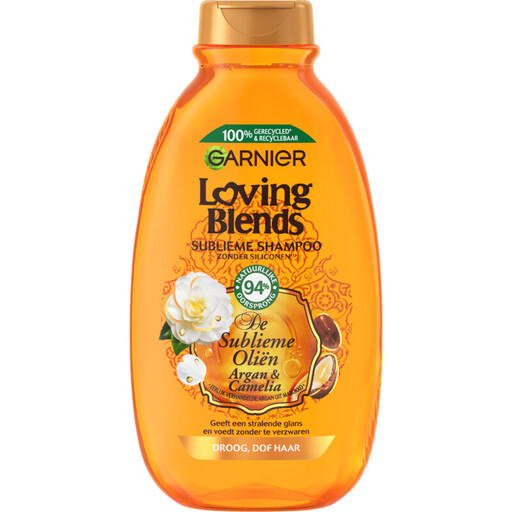
Why it suits this profile: An accessible shampoo for adults with dry, dull hair who want to add camellia and argan oil to their regular washing routine.
The product information clearly lists the ingredients and explains how to use it. It’s a shampoo, not a substitute for a rich hair mask.
According to the product description, 94% of the ingredients are of natural origin; the product is made with argan oil and camellia oil. The product details state that it contains 300 ml.
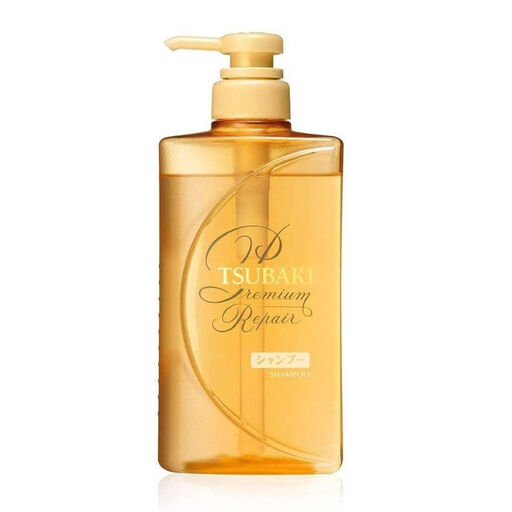
Why it suits this profile: For anyone looking for Japanese haircare who wants a shampoo with several conditioning ingredients to pair with their own conditioner or mask.
As well as Tsubaki oil, the product description lists panthenol, Ceramide NG and hydrolysed silk protein. Check that this rich formula is right for your hair.
450 ml, according to the product name; designed to nourish and leave hair feeling smoother and silkier, according to the product description.
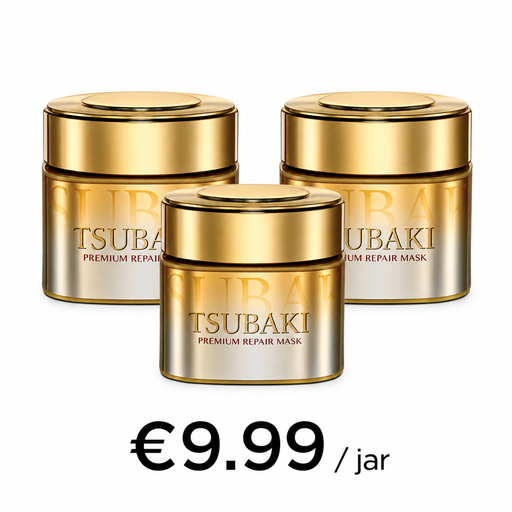
Why it suits this profile: A practical choice if you use a mask every week on dry, damaged or frizzy hair and want to stock up on several tubs.
The directions are clear: apply to the lengths and ends once or twice a week, then rinse thoroughly.
Three 180 g tubs; the product description mentions camellia oil, a rich texture and use on dry, frizzy hair.
We’ve put together a complete, up-to-date list of products that meet these strict selection criteria and comply with current European safety regulations.
Camellia oil is used as a conditioning ingredient in haircare products. According to product descriptions, it can leave hair feeling softer, smoother or shinier. The result depends on the formula, the amount used and your hair type. If your hair is visibly damaged, a conditioner or hair mask is generally a better addition to a gentle shampoo.
Always follow the label. According to the product information, the TSUBAKI Premium Repair Hair Mask mentioned above is used once or twice a week. Apply it mainly to the lengths and ends. If you use too much or apply it too often, fine hair may feel weighed down.
That depends on the product price, pack size, how often you wash your hair and how much you use each time. Compare the price per 100 ml or per 100 g, rather than looking only at the price of the pack. You could pair a shampoo for regular use with a hair mask that you use just once a week. This helps you match the cost to your actual routine.
