
Vandaag of morgen in huis

Kwaliteit gegarandeerd

Welkomstaanbiedingen ontgrendelen: GRATIS bezorging | Tot 80% korting | Gratis 30 dagen JoyPlus-proefperiode
Download de app
Choosing a soothing face cream for sensitive skin might seem straightforward, but product pages often use broad terms such as “soothing”, “barrier repair” and “intense hydration”. On their own, these words don’t tell you much about the formula. A cream that feels comfortable on one person’s skin could feel too heavy or irritating on dry, redness-prone or blemish-prone skin.
Pay close attention to the ingredients list, texture and usage warnings. This can help you avoid paying for a tempting promise that doesn’t fit your daily skincare routine.
A cream can contain centella, aloe or panthenol and still include fragrance or essential oils. This matters if your skin is quick to react. For example, Dear, Klairs Rich Moist Soothing Cream contains lemon, lavender, orange, geranium, ylang-ylang and eucalyptus oils, among other ingredients. According to the product information, these ingredients may cause allergic reactions in people who are sensitive to them.
So check more than just the marketing name. Look out for terms such as parfum, fragrance, essential oil, limonene, linalool and citral.
Shea butter, oils, waxes and richer emollients can feel comfortable on dry skin, especially during a cold or windy Dutch winter. However, if you have a shiny T-zone or blemish-prone skin, a light gel cream or moisturiser for sensitive skin may feel more comfortable.
A light face cream usually absorbs more quickly and sits more easily under sunscreen or make-up. A richer cream may be a better fit for dry skin, or if a lightweight lotion doesn’t feel moisturising enough.
Some formulas contain tea tree oil, salicylic acid-like ingredients or plant extracts as well as hydrating ingredients. For example, AC Collection Lightweight Soothing Moisturizer contains Betaine Salicylate, tea tree oil, menthyl lactate and mint extract. The safety information recommends a patch test and says the product is not intended for children under three.
If your skin is reactive, start with a small amount on a limited area. Stop using the product if you experience persistent redness, itching, swelling or a burning sensation, and seek advice from a doctor or dermatologist if needed.
For a hydrating face cream, it’s useful to look out for ingredients such as glycerin, panthenol, sodium hyaluronate, beta-glucan and squalane. They each play different roles in a formula:
An ingredient’s presence doesn’t guarantee that everyone’s skin will react in the same way. Check the full formula and take your own sensitivities into account.
Choose a gel or sorbet texture if you have oily or combination skin and want a non-greasy moisturiser. A cream with several lipids, oils or butters may be a better fit for dry skin.
If your skin is prone to redness, it’s worth checking cooling fragrances and heavily scented formulas carefully. “Cooling” can create a temporary sensation, but it won’t feel comfortable for everyone.
Compare the sizes: the options in this selection range from 50 to 100 ml, while a compact zinc cream such as My Little Sudocrem contains 22 g. Check the recommended use, too. A product for your whole face is different from a cream intended mainly for dry, chapped or irritated patches.
Always follow the warnings on the packaging. Use face cream externally, avoid the eye area and, if you have sensitive skin, do a patch test first.
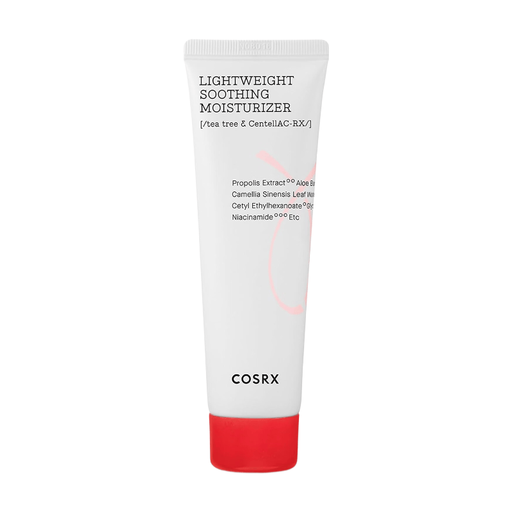
Why it suits this profile: The 80 ml size and relatively lightweight description make it a good option if you want to try a daily moisturiser without going straight for a very rich cream.
The full ingredients list is provided. Check in advance, though, whether betaine salicylate, tea tree oil and mint extract are right for your skin.
80 ml; contains glycerin, panthenol, sodium hyaluronate, niacinamide and allantoin.
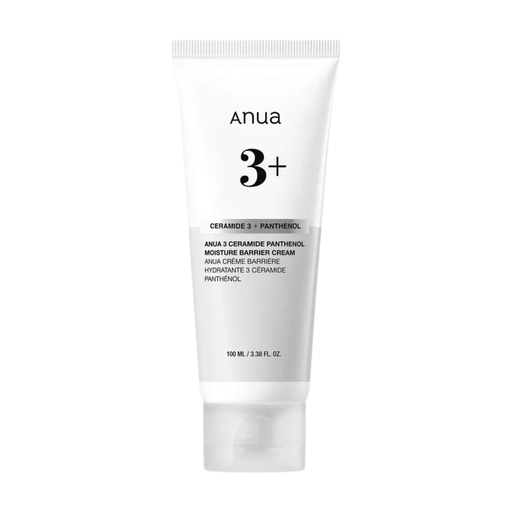
Why it suits this profile: A good fit if you’re specifically looking for a ceramide complex, panthenol and a generous size for everyday use.
The formula lists three ceramides, panthenol, centella, ectoin and hyaluronic acid. If your skin is very sensitive, check how well you tolerate it first.
100 ml; contains Ceramide NP, Ceramide EOP, Ceramide AP, squalane and allantoin.
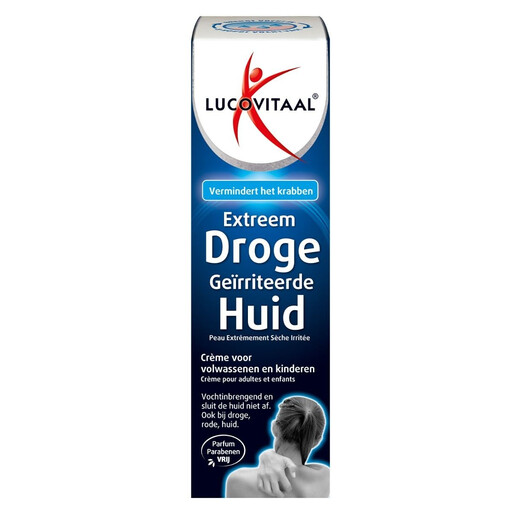
Why it suits this profile: A practical choice for adults and children looking for a cream for irritated skin and dry, chapped patches.
The instructions recommend using it on dry, irritated and chapped skin. It’s a cosmetic product, not a substitute for medical advice.
50 ml; contains glycerin, panthenol, allantoin, shea butter, sodium hyaluronate and Ceramide NP.
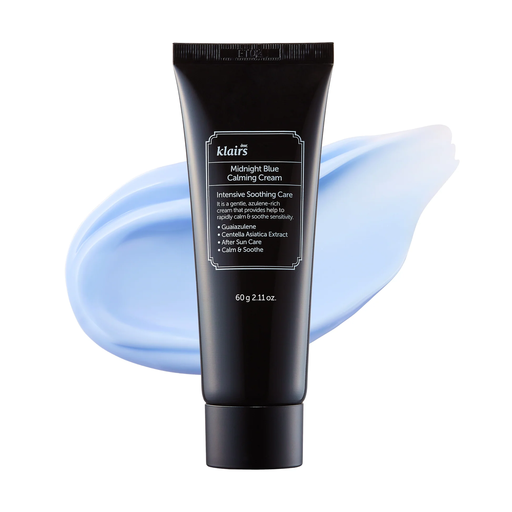
Why it suits this profile: Its gel-like, non-greasy texture makes it a good fit if you have normal, combination or sensitive skin and are looking for a light night cream.
The product information describes it as fragrance-free. Check the full ingredients list if you’ve reacted to plant extracts in the past.
60 g; contains centella asiatica, niacinamide, Ceramide NP, sodium hyaluronate and guaiazulene.
We’ve put together a complete, up-to-date list of products that meet these strict selection criteria and the current European safety requirements.
Look for a formula with humectants such as glycerin and hyaluronic acid, combined with panthenol, ceramides or squalane. A richer cream can feel comfortable if your skin feels tight. If you’re unsure, avoid fragranced formulas and try a small amount first.
Most moisturisers are designed for daily use, but always follow the instructions on the packaging. Apply the cream to clean skin and add sun protection during the day. If your skin is reactive, take extra care with products containing active ingredients such as betaine salicylate or tea tree oil.
Check the use-by date and the symbol on the packaging showing how long the product can be used after opening. Store the cream in a cool, dry place away from direct sunlight. Close the packaging securely and stop using the product if its smell, colour or texture changes noticeably, or if irritation occurs.
