
Vandaag of morgen in huis

Kwaliteit gegarandeerd

Welkomstaanbiedingen ontgrendelen: GRATIS bezorging | Tot 80% korting | Gratis 30 dagen JoyPlus-proefperiode
Download de app
A face cream for sensitive skin needs to do more than feel pleasant. If your skin is dry, tight, red or dehydrated, you want to replenish moisture without using an overloaded formula that could upset your skin. Marketing claims can be difficult to assess, though. Terms such as “barrier repair”, “intense soothing” and “deep hydration” don’t tell you much on their own if you haven’t checked the ingredients and texture.
In this buying guide, you’ll find out what to look for in a hydrating face cream, which common pitfalls can lead to the wrong purchase, and which products suit different skin needs.
A product with lots of active ingredients isn’t automatically a better choice. Sensitive skin may actually react less well to a combination of fragrance, plant extracts, exfoliating acids and several active ingredients. So first check whether the formula fits in with your routine.
If you’re looking for a fragrance-free face cream, check the INCI list. “Gentle” on the packaging doesn’t always mean that the product contains no fragrance. For example, the Medicube Salmon DNA PDRN Pink Hyaluronic Moisturizing Cream lists fragrance among its ingredients. That doesn’t necessarily make it unsuitable, but it may be a less obvious choice if you’re deliberately avoiding fragrance.
Centella asiatica, ceramides, panthenol, hyaluronic acid and beta-glucan are often used in Korean skincare. They can be part of a routine designed to hydrate and support the skin barrier, but the effect depends on the whole formula, the concentration and your skin.
Claims about soothing, redness or repair come from brands’ product descriptions, so don’t take them as medical claims. If you have persistent irritation, swelling or severe redness, it’s wiser to seek advice from a doctor or dermatologist than to keep trying different creams.
A gel cream may feel comfortable on oily or acne-prone skin, but too light for very dry skin. A rich cream may feel good when your skin barrier feels compromised, but heavy under sun cream or make-up during the day.
Focus on when you’ll use it:
A good face cream for sensitive skin often combines humectants with emollient ingredients.
A ceramide cream is particularly worth considering if your skin feels dry and tight. A centella cream may be a better fit if you’re after a light, comfortable formula. Always check the full ingredient list and the current packaging.
Fragrance isn’t essential for hydration. If your skin reacts easily, you could start with a fragrance-free formula. Also look out for essential oils and strongly scented botanical extracts.
According to the product information provided, PURITO Oat Soothing Gel Cream has a short formula that includes 77% oat seed water, glycerine, squalane, panthenol and beta-glucan. The product information positions this gel cream for sensitive and acne-prone skin. The formula is lightweight, but very dry skin may need an additional moisturiser.
Don’t just compare the price of a jar or tube; check the size too. A 100 ml product may work out cheaper per use than a 30 or 50 ml product. A mini size, such as the 15 ml Skin1004 Madagascar Centella Probio-Cica Enrich Cream, is handy if you want to try the texture first.
Try a new product on a small area of skin first. Stop using it if you experience burning, itching, swelling or increasing redness. Apply cream to clean skin and add sun protection during the day if it fits in with your routine.
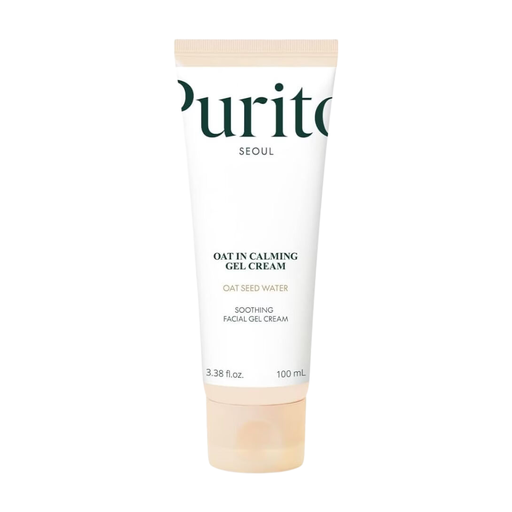
Why it suits this profile: The 100 ml gel cream is practical for everyday use in the morning and evening. Its lightweight texture suits beginners who don’t want to feel a heavy layer on their skin.
The product information describes a short formula and makes no fragrance-free claim. It also includes clear directions for use. Always check the packaging when your order arrives.
77% oat seed water according to the product information, plus panthenol, squalane and beta-glucan. Size: 100 ml.
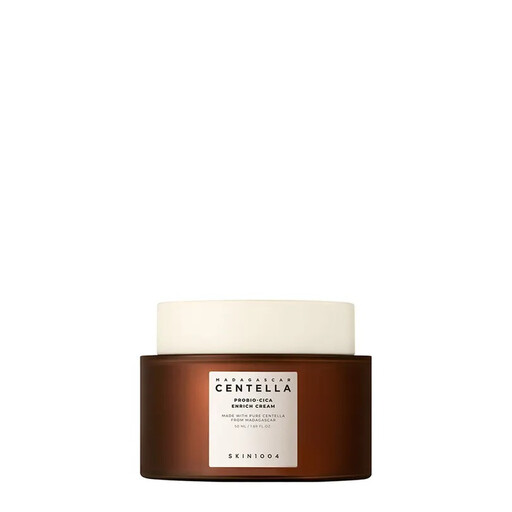
Why it suits this profile: This richer cream is a good fit if you’re looking for a nourishing night cream for dry or dehydrated skin and are interested in centella and ceramide NP.
The product description mentions ceramide NP, fermented centella and seed oils. Check first whether a richer texture suits your skin and routine.
50 ml, with ceramide NP and a centella-focused formula according to the product information. Suitable for targeted use in the evening.

Why it suits this profile: The 100 ml formula is designed for users who want to combine several barrier-supporting ingredients in one everyday cream.
The ingredient list is specific: panthenol appears near the top, alongside ceramide NP, ceramide AP, ceramide EOP, hyaluronic acid and squalane.
100 ml, with several ceramides, panthenol, centella asiatica and hyaluronic acid according to the ingredient list provided.
We’ve put together a complete, up-to-date list of products that meet these strict selection criteria and current European safety regulations.
Look for a formula with glycerine, panthenol, ceramides, squalane or nourishing oils. A richer cream may feel more comfortable in the evening. If you’ve reacted to fragrance before, choose a fragrance-free face cream if possible, and always test new products on a small area of skin first.
Yes, a gel cream may suit you if you prefer a lightweight texture or have normal, combination or acne-prone skin. If your skin is very dry, a gel cream on its own may not feel moisturising enough. You could layer a richer cream over a thin layer of gel cream, but don’t introduce both products at the same time.
Check the use-by date, the open-jar symbol and the directions on the packaging. Store the cream in a cool, dry place, close the packaging properly and don’t use it if it smells different, has changed colour or has a different texture. The exact shelf life may vary between batches.
