
Vandaag of morgen in huis

Kwaliteit gegarandeerd

Welkomstaanbiedingen ontgrendelen: GRATIS bezorging | Tot 80% korting | Gratis 30 dagen JoyPlus-proefperiode
Download de app
Buying a calcium supplement seems straightforward until you start comparing labels. One pack contains calcium chewable tablets, another calcium gummies or a combination with magnesium. The amount of calcium per tablet, whether it contains vitamin D3 and the recommended dosage can also vary considerably.
When choosing calcium for women aged 50 and over, it’s particularly important to look beyond the front of the pack. Marketing terms don’t tell you much without clear information about the ingredients and how to use the product. Use these points to help you avoid paying for ingredients you don’t need or choosing a form that doesn’t fit your daily routine.
A pot containing 90 calcium tablets may seem like good value, but the important figure is the amount of calcium per tablet and per recommended daily dose. Some products require just one tablet; others require two. Also check whether the amount shown refers to elemental calcium or to the entire calcium compound, such as calcium carbonate or calcium citrate.
According to approved nutrition claims, vitamin D3 contributes to the normal absorption and utilisation of calcium and phosphorus. That’s why many consumers look for calcium with vitamin D3. This doesn’t mean that a higher dose is automatically the better choice. Compare the amount of vitamin D3 with that in any other supplements you already take, such as a separate vitamin D3 supplement.
Calcium gummies and chewable tablets are easy to take, but they may contain sweeteners. Excessive consumption of certain sweeteners can have a laxative effect. Effervescent tablets dissolve in water, while standard tablets often have a more neutral taste. So first choose a format you can use consistently, then check the ingredients, allergens and warnings.
The label usually lists a compound such as calcium carbonate, calcium citrate or tricalcium phosphate. Focus on comparing the amount of calcium per recommended daily dose. A product containing several minerals isn’t automatically a better choice than a straightforward calcium supplement. If you already take magnesium, zinc or a multivitamin, make sure you don’t double up.
A calcium and magnesium supplement can be a practical option if you want to combine both nutrients in one product. Check the amount of each, though. For example, Lucovitaal Calcium Magnesium Bone Formula recommends a daily dose of two tablets containing calcium, magnesium, zinc and vitamin D3. The product information also includes a warning about use alongside coumarin anticoagulants.
Compare the amount of vitamin D3 in micrograms. The products in this range vary: some calcium chewable tablets contain 20 microgram vitamin D3, while other formulas list a lower amount per tablet.
Also look out for vitamin K2, magnesium, zinc, sweeteners and allergens. Extra ingredients may suit your personal needs, but could make a product less suitable if you already take several supplements or use certain medicines.
Always read the warning for children on gummies and chewable tablets. A product for adults isn’t automatically suitable for younger family members. Supplements are not a substitute for a varied diet.
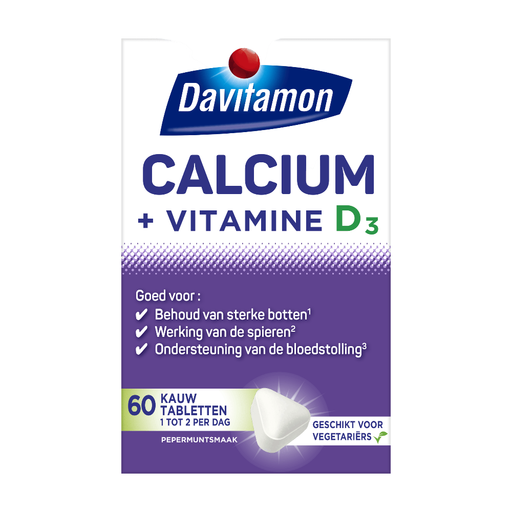
Why it suits this profile: According to the product information, the peppermint chewable tablets offer a flexible dose of one or two tablets a day, depending on your dairy intake.
The pack lists calcium and vitamin D3 separately, both per tablet and per maximum daily dose. This makes it easier to compare.
400 mg calcium and 5 microgram vitamin D3 per tablet; according to the product information, it’s vegetarian, sugar-free and lactose-free.
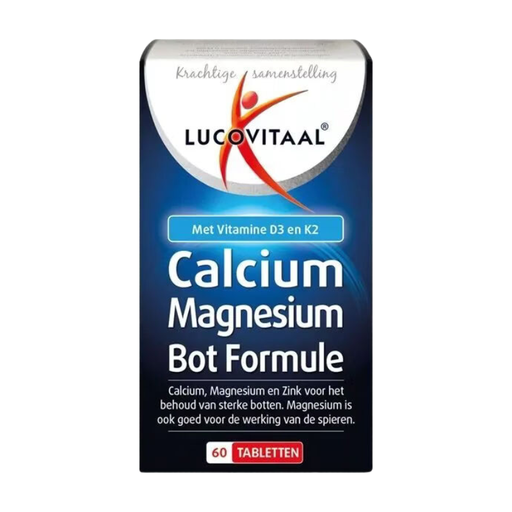
Why it suits this profile: This formula combines calcium with magnesium, zinc, vitamin D3, vitamin K2 and several other micronutrients, making it a good fit if you’re looking for a comprehensive formula in one product.
The product information specifies the amounts per daily dose of two tablets. Check that this broad formula works with any supplements you already take.
Per daily dose, the label lists 1000 mg calcium, 375 mg magnesium and 5 microgram vitamin D3. A warning applies when taking coumarin anticoagulants.
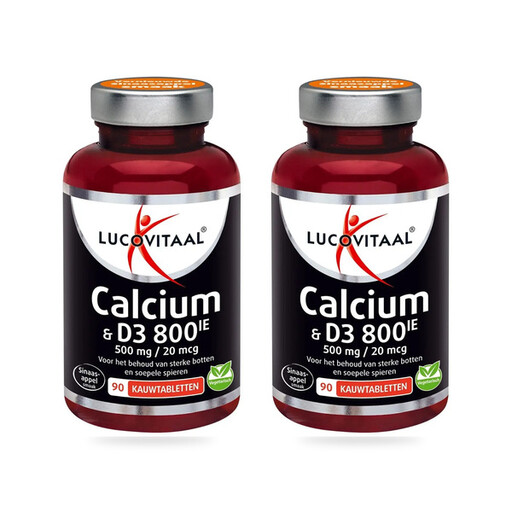
Why it suits this profile: This multipack is a good choice if you want to keep a longer-lasting supply of calcium chewable tablets and enjoy an orange flavour.
The two packs don’t change the recommended amount: according to the product information, you take one to two tablets a day. This helps you avoid taking more simply because you have extra in stock.
Each tablet lists 500 mg calcium and 20 microgram vitamin D3; the tablets are orange-flavoured and vegetarian.
We’ve put together a complete, up-to-date list of products that meet these strict selection criteria and the applicable European safety regulations.
That depends on your diet, the supplements you already take and your personal circumstances. Look at the combination of calcium and vitamin D3, and check whether the product information specifically refers to use after the menopause. The label calcium for women aged 50 and over isn’t a reason to automatically choose the highest dose. If you take medication, ask a doctor or pharmacist for advice.
Gummies can be a good option if you find swallowing difficult or prefer a regular chewable routine. Check the amount of calcium per recommended serving, the sweeteners used and the storage instructions. A gummy doesn’t necessarily contain as much calcium as a calcium tablet.
Follow the recommended dose and the best-before date on the pack. Regularly review whether you still need the supplement, especially if your diet changes or you combine it with other supplements. If you’re planning to take it long term, are pregnant, have a medical condition or take medication, it’s sensible to speak to a doctor or pharmacist.
