
Vandaag of morgen in huis

Kwaliteit gegarandeerd

Welkomstaanbiedingen ontgrendelen: GRATIS bezorging | Tot 80% korting | Gratis 30 dagen JoyPlus-proefperiode
Download de app
Choosing a calcium supplement may seem straightforward, but there are significant differences between calcium tablets, gummies, chewable tablets and effervescent tablets. If you only focus on a prominent claim on the front of the pack, you may end up paying for ingredients you do not need or for a dosage that does not suit your diet.
For adults looking to supplement their daily calcium intake, three pitfalls are particularly important:
Always compare the amount of calcium per tablet as well as per recommended daily serving. According to product information, the reference intake for calcium for adults is generally 800 mg per day. This does not mean that everyone automatically needs a supplement containing 800 or 1,000 mg. Your diet remains the most important source.
Also pay attention to the number of tablets. A product providing 500 mg of calcium per tablet may result in a different daily intake from a product providing 1,000 mg across two tablets. Check whether the manufacturer lists calcium as calcium carbonate, calcium citrate or another compound.
Calcium with vitamin D3 is a popular combination. According to permitted European nutrition claims, vitamin D contributes to the normal absorption and utilisation of calcium and phosphorus. Calcium and vitamin D contribute to the maintenance of normal bones and normal muscle function. These claims do not mean that every supplement is necessary for every user.
A calcium-magnesium supplement may be suitable if you want to combine both minerals in one product. However, check the individual amounts. Some formulas also contain zinc, vitamin K2, vitamin C, manganese, copper or boron. This can be useful if you are looking for a broader mineral product, but less suitable if you specifically want a simple formula.
Choose a format that fits your daily routine:
Also look out for allergens. For example, a product may contain milk powder, as is the case with the ORIHIRO chewable tablets. “Vegetarian” does not mean the same as “vegan”.
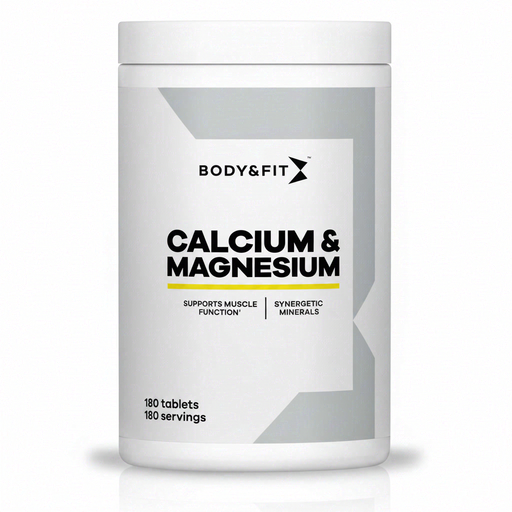
Why it suits this profile: The pack contains 180 tablets, with a recommended intake of one to two tablets per day. This makes it suitable for anyone looking for a calcium-magnesium supplement that will last for several months.
The amounts are listed per tablet: 197 mg of calcium and 150 mg of magnesium. This means you do not have to rely solely on the front of the pack.
180 tablets, vegan according to the product information, with two minerals in one tablet.
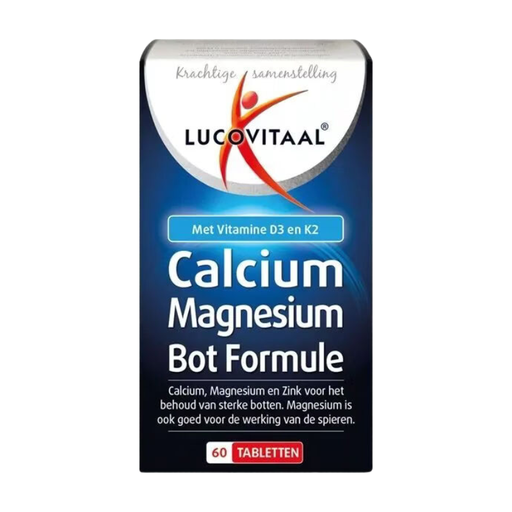
Why it suits this profile: This formula is intended for anyone who wants calcium and magnesium together with vitamin D3, vitamin K2, zinc and several other micronutrients in one product.
The product information states the daily serving of two tablets and the individual amounts: 1,000 mg of calcium, 375 mg of magnesium and 5 mcg of vitamin D3.
Broad formula with calcium, magnesium, vitamins D3 and K2; clear warning about use with coumarin anticoagulants.
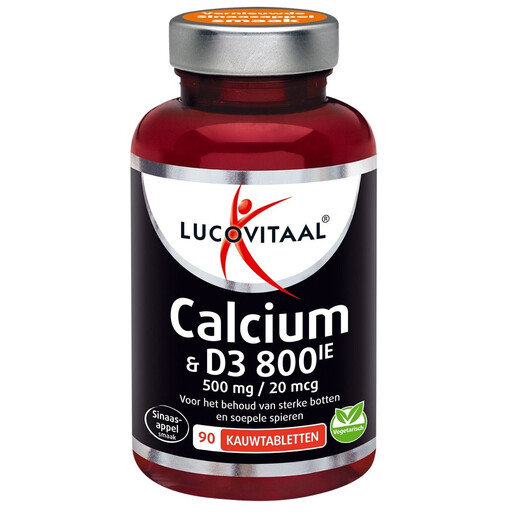
Why it suits this profile: The orange flavour and chewable format are practical for adults who do not want to swallow large tablets. The product page lists women aged 50 and over as the target group.
The formula lists 500 mg of calcium and 20 mcg of vitamin D3 per tablet. The recommended intake is one to two tablets per day.
90 chewable tablets, 20 mcg of vitamin D3 per tablet and vegetarian according to the product information.
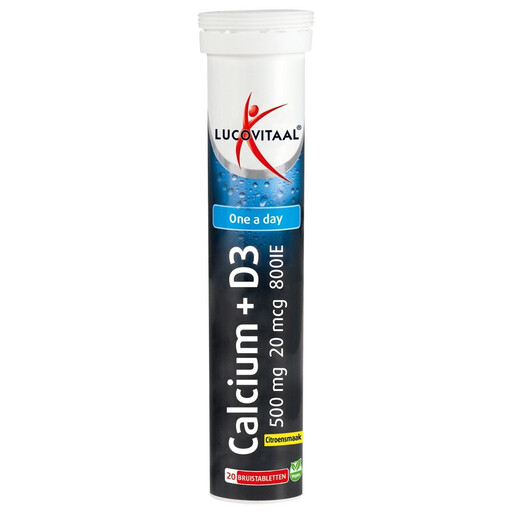
Why it suits this profile: Dissolving one tablet in water is an easy alternative to swallowable tablets. The product information describes it as vegan, with a lemon flavour and intended for adults.
The amount is clearly stated per effervescent tablet: 500 mg of calcium and 20 mcg of vitamin D3. This makes it easy to keep track of your daily dosage.
20 effervescent tablets, 500 mg of calcium and 20 mcg of vitamin D3 per tablet; vegan and sugar-free according to the product information.
A supplement is not a substitute for a varied diet. First, work out how much calcium you get from dairy products, fortified plant-based drinks, tofu or other foods. Then choose a dosage that complements your diet, rather than automatically opting for the highest amount.
Always check the following before buying:
If you are pregnant or breastfeeding, have a medical condition or take medication, it is sensible to consult your doctor or pharmacist. The product information for some formulas specifically warns against combining them with coumarin anticoagulants. Do not exceed the recommended dose. Calcium chewable tablets and gummies containing sugar alcohols may have a laxative effect if consumed in excess.
We have put together a complete, up-to-date list of products that fully meet these strict selection criteria and the applicable European safety requirements.
First, look at how much calcium you get from your diet each day. If your intake is low, a product providing 500 mg per tablet, such as calcium with vitamin D3, may be a straightforward addition. The right amount depends on your overall diet and personal circumstances.
Not for everyone. Vitamin D3 can be a logical addition if you want to combine both nutrients in one product. However, check whether you already take a separate vitamin D3 supplement or a multivitamin, so that you do not unnecessarily combine several products.
That depends on the price per recommended daily serving, not just the price per pack. Divide the selling price by the number of daily servings. Then also compare the amount of calcium per serving, because two products with the same number of gummies or tablets may differ considerably in dosage.
