
Vandaag of morgen in huis

Kwaliteit gegarandeerd

Welkomstaanbiedingen ontgrendelen: GRATIS bezorging | Tot 80% korting | Gratis 30 dagen JoyPlus-proefperiode
Download de app
A calcium supplement can be useful if you want to top up your daily intake, for example with calcium and vitamin D3, calcium tablets or calcium chewable tablets. However, eye-catching packaging tells you little about whether a product is right for you. The key differences are often the amount of calcium in the recommended daily dose, the product format and any additional ingredients.
A tablet containing a lot of calcium isn’t always the most practical choice. First, check the full recommended daily dose. Some products state the amount per tablet, while others give it per two, five or even more tablets. Always compare the amount of calcium per day, not just per tablet.
Also take into account the calcium you get from food, such as dairy products, fortified plant-based drinks and certain vegetables. A supplement is intended to top up your intake, not replace a varied diet.
Calcium and vitamin D3 are often offered together. Check how much vitamin D3 the recommended daily dose actually contains. The amount is usually given in micrograms, abbreviated to µg. Some packaging also shows the amount in IU.
Under authorised nutrition claims, vitamin D contributes to the normal absorption and utilisation of calcium and phosphorus. This doesn’t mean that everyone needs every product. If you take medication, have a medical condition or are unsure about your intake, it’s best to discuss taking a supplement with a doctor or pharmacist.
Calcium tablets are often good value per dose, but not everyone finds them easy to swallow. Calcium chewable tablets, calcium gummies and calcium effervescent tablets may be more convenient. With gummies and chewable tablets, check the sweeteners and flavourings, as well as how many you need to take each day.
A vegetarian calcium supplement or vegan calcium supplement calls for an extra check of the label. A product may contain calcium and vitamin D but still use ingredients of animal origin. So look for an explicit statement on the product page or packaging.
Compare:
A higher amount isn’t automatically necessary. First check how much calcium you get from food, and avoid combining several supplements containing the same minerals without advice.
Check whether the product contains vitamin D3 and how much it provides per daily dose. Some formulas combine calcium with magnesium, zinc, vitamin K2 or other micronutrients.
A calcium, magnesium and zinc formula may appeal if you want to combine several minerals in one product. However, check for overlap with a multivitamin. Particularly with products containing multiple minerals, your total daily intake matters more than the number of ingredients listed on the front.
Choose a format you can use consistently:
Also check for allergens. According to the product information, the ORIHIRO product contains milk and calcium from shellfish. This makes it unsuitable for some people who avoid milk or certain animal-derived ingredients.
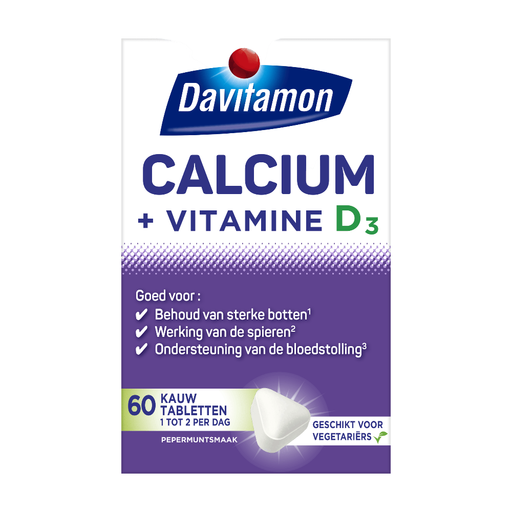
Why it suits this profile: Each chewable tablet provides a clear dose of 400 mg calcium and 5 µg vitamin D3. According to the product information, you can take one or two tablets depending on how much dairy you consume.
The amount per tablet and the maximum daily dose are clearly shown. You won’t need to work out an unclear serving size for yourself.
Peppermint flavour, chewable format, suitable for vegetarians and, according to the product information, free from lactose and gluten.
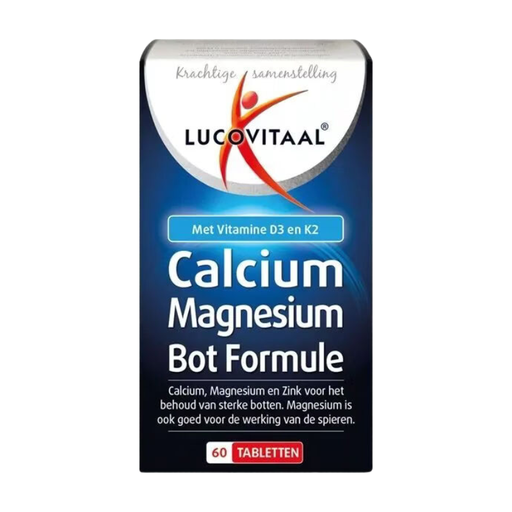
Why it suits this profile: This formula combines calcium with magnesium, zinc, vitamin D3, vitamin K2, vitamin C, copper, manganese and boron. According to the label, the daily dose of two tablets provides 1000 mg calcium and 5 µg vitamin D3.
The exact ingredients and reference intake are shown for each ingredient. First check whether you already take a multivitamin or vitamin K.
A multi-mineral formula with calcium from calcium carbonate and calcium citrate. The product warning advises against taking it with coumarin anticoagulants.
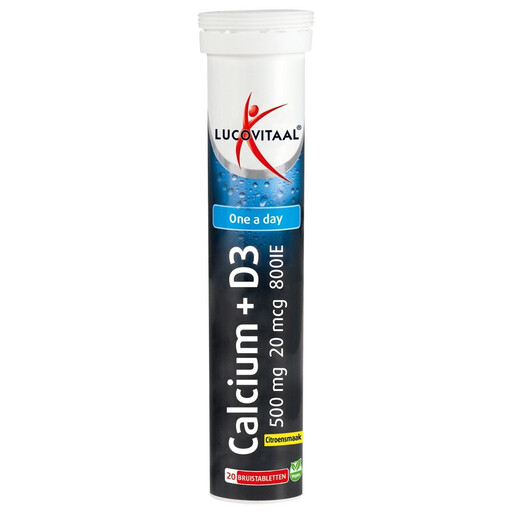
Why it suits this profile: One effervescent tablet dissolves in a glass of water and provides 500 mg calcium and 20 µg vitamin D3, according to the product information. It’s a good option if you’d rather not swallow tablets.
The dose is based on one effervescent tablet. Before use, check the sweeteners, allergens and recommended method of preparation on the packaging.
Vegan according to the product information, sugar-free and lemon-flavoured. Suitable for adults; not intended for children aged 10 or under.
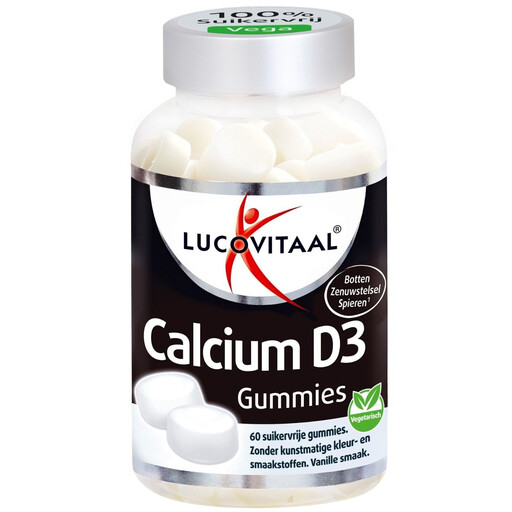
Why it suits this profile: Two gummies a day provide 200 mg calcium and 10 µg vitamin D3, according to the product information. The vanilla flavour and soft texture may suit anyone who prefers chewables to capsules.
The calcium content per two gummies is clearly stated, so you can see at a glance that the dose is lower than that of some tablets.
Vanilla flavour, no artificial colours or flavourings according to the product information, and easy to take.
We’ve put together a complete, up-to-date list of products that meet these strict selection criteria and current European safety requirements.
Check the amount of calcium in the recommended daily dose and compare it with your total intake from food. A product containing calcium and vitamin D3 may be convenient, but the amount you need varies from person to person. If you’re unsure, speak to a doctor or pharmacist.
That depends on how much calcium they provide per daily serving. Gummies sometimes contain considerably less calcium than calcium tablets or chewable tablets. So check how many gummies to take each day and the calcium content per serving. Also look out for sweeteners, as excessive consumption may have a laxative effect with some products.
Follow the expiry date and storage instructions on the packaging. Calcium tablets, gummies and effervescent tablets should generally be stored in a dry place, sealed and out of direct sunlight. Once opened, a product may be more sensitive to moisture. Don’t use tablets if their colour, smell or texture has noticeably changed.
