
Vandaag of morgen in huis

Kwaliteit gegarandeerd

Welkomstaanbiedingen ontgrendelen: GRATIS bezorging | Tot 80% korting | Gratis 30 dagen JoyPlus-proefperiode
Download de app
Do you want the classic cola taste, but without sugar and without caffeine? A can of caffeine-free cola without sugar might seem easy to find. However, products vary widely in nutritional values, sweeteners, packaging and quantity. A clear product name isn't always enough to know what you're buying.
Pay particular attention to three common pitfalls:
Look for words like caffeine, caffeine flavouring or aromas that contain caffeine. A product labelled “zero sugar” is therefore not automatically suitable if you want to avoid caffeine.
Coca-Cola Zero Sugar Caffeine Free Cola explicitly states that the product is offered without sugar and without caffeine. The regular Coca-Cola Zero Sugar Cola, on the other hand, contains “caffeine flavouring” according to the listed ingredients. Pepsi Zero Sugar Cola also contains caffeine according to the product information.
If you're specifically looking for cola zero caffeine free, it's worth checking both the product details and the packaging. Product compositions can change; the information on the can or bottle is definitive.
For a fair comparison, look at the values per 100 ml. The differences are clear among the reference products:
A sugar-free cola can therefore be low in calories, but may still use sweeteners. The caffeine-free variants mentioned contain aspartame (E951) and acesulfame-K (E950) among others. Coca-Cola Zero Sugar Caffeine Free also carries a warning that it contains a source of phenylalanine. Always check the label if you have specific dietary requirements.
A tray of cola cans in 24 x 330 ml is practical for stocking up, a household with multiple drinkers, or an office. The total volume is 7.92 litres. A can is also ready to serve and doesn't need to be resealed after opening.
A 500 ml bottle is more convenient for on the go, but once opened it must be kept refrigerated and consumed within the stated period. When buying a multipack, also consider storage space, weight and the best-before date. A large pack is only good value if you can use the contents within a suitable timeframe.
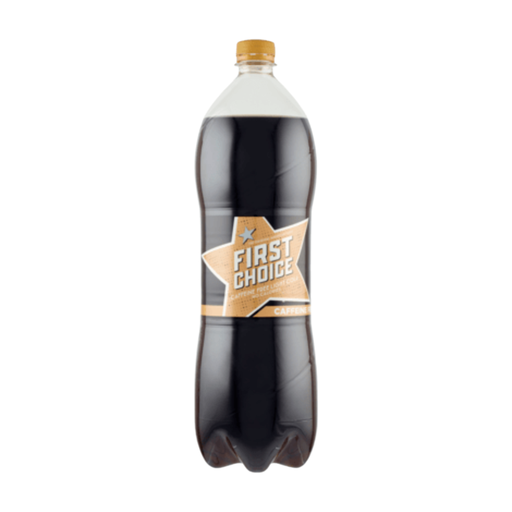
Why this fits the profile: A compact 6-pack is ideal if you want to try caffeine-free cola for the first time without committing to a large stock.
The product description states both “caffeine-free” and “sugar-free”. The nutritional information is given as 1 kcal per 100 ml, so you can compare the claim with other options.
6-pack; sugar-free according to the product information; 1 kcal per 100 ml; contains no caffeine according to the product description.

Why this fits the profile: If you need a regular supply for home, work or guests, you get 24 portions of 330 ml in a familiar format.
The name explicitly states “Caffeine Free” and the product details show 0 grams of sugar and 0.3 kcal per 100 ml.
24 x 330 ml; 0 grams of sugar per 100 ml; 0.3 kcal per 100 ml; suitable for serving chilled.
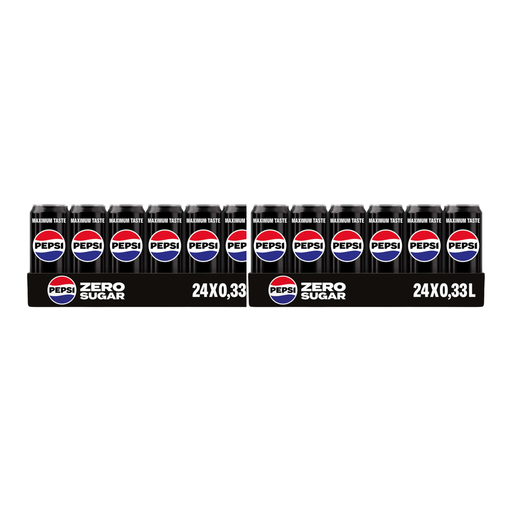
Why this fits the profile: A double supply suits regular consumption, for example in a large household, office canteen or for events.
The product information states 0 grams of sugar and 0.4 kcal per 100 ml. However, the ingredients list mentions caffeine. This is therefore not a caffeine-free cola.
24 x 330 ml per tray; 0 grams of sugar per 100 ml; 0.4 kcal per 100 ml; check for caffeine before purchase.
We've put together a full, up-to-date list of products that fully meet these strict selection criteria and comply with current European safety regulations.
Not necessarily. “Light” and “zero sugar” usually refer to the sugar content, whereas “caffeine free” specifically refers to caffeine. Check both properties separately in the product description and ingredients list.
Look at the best-before date on the packaging. Store unopened cans according to the manufacturer's instructions, typically in a cool, dry place away from direct sunlight. Once opened, you cannot reseal a can, so it's best to drink it straight away.
That depends on the price per pack and the total volume. A tray of 24 x 330 ml contains 7.92 litres. So compare the price per litre and take into account storage space, how quickly you'll use it, and the difference between cans and resealable bottles.
