
Vandaag of morgen in huis

Kwaliteit gegarandeerd

Welkomstaanbiedingen ontgrendelen: GRATIS bezorging | Tot 80% korting | Gratis 30 dagen JoyPlus-proefperiode
Download de app
Craving the taste of cola, but not the caffeine? Whether you're relaxing on the couch at night, looking for a drink for the kids, or are sensitive to caffeine, a caffeine-free cola is an easy choice. However, not every bottle or can is created equal. The wrong choice often leads to disappointment: an unexpected sugar bomb, a nasty aftertaste, or a large bottle that goes flat after just one glass.
Before you fill your shopping cart, it's wise to watch out for a few pitfalls. Common marketing terms can be misleading and influence your purchase.
To make a good choice, it's helpful to check three specifications on the label. This will help you find a cola without caffeine that truly suits you.
The taste of a caffeine-free soft drink is heavily influenced by the sweeteners used.
How and when do you drink your cola? The packaging format is more important than you think.
The characteristic cola flavour comes partly from additives like phosphoric acid (E338) and the colouring caramel (E150d). Some variants, especially those for children, avoid certain acids or use natural colourings. If you are sensitive to these, a look at the ingredients list is worthwhile.
Based on these objective criteria, we have selected a number of products that fit different user profiles.
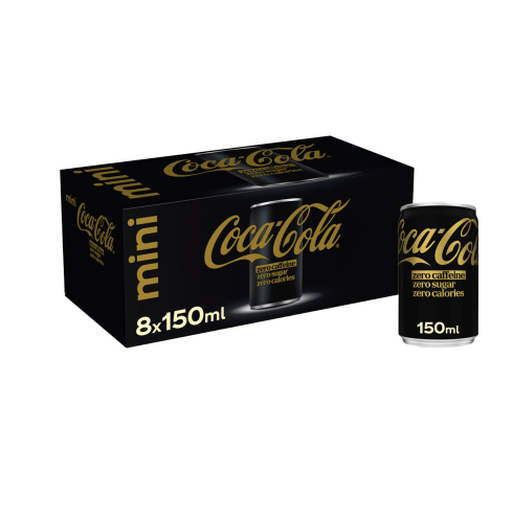
Why This Fits Their Persona: Perfect for those who crave a cola in the evening without disrupting their sleep. The small 150 ml portion is just enough for one glass, ensuring no half-empty, flat bottle is left over.
Tackles the pitfall of waste. You only open what you drink, keeping the rest of your supply at optimal taste and carbonation.
According to the manufacturer, it has the classic Coca-Cola taste, but without sugar and caffeine. The mini format is ideal for portion control.
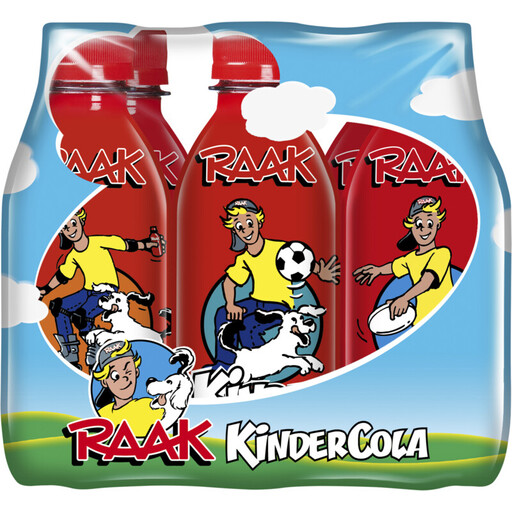
Why This Fits Their Persona: A conscious choice for parents who want to give their children the taste of cola without the unwanted additives. The cartons are convenient for home or on the go.
Bypasses the hidden ingredients trap. The product information clearly states that it contains no caffeine, phosphoric acid, or artificial colourings.
Specifically developed for children. According to the manufacturer, it contains less sugar than regular soft drinks due to the use of stevia.

Why This Fits Their Persona: For the regular drinker who always wants to have a supply on hand. A tray of 24 cans offers convenience and is often more economical. Choosing a well-known brand provides certainty about the taste.
Avoids the 'aftertaste pitfall'. Because it offers the familiar taste of Coca-Cola Zero, you know what you're getting, and a large purchase isn't a gamble.
Large bulk pack for a competitive price per can. The combination of zero sugar and zero caffeine is ideal for the health-conscious consumer.
We have compiled a complete, up-to-date list of products that fully meet these strict selection criteria and UK/EU regulations.
The main difference lies in the blend of sweeteners, which results in a different taste profile. According to Coca-Cola itself, Coke Zero has a taste that more closely resembles the original Coca-Cola, while Diet Coke has its own, lighter taste. Both are sugar-free and, in these variants, caffeine-free. The choice is therefore primarily a matter of personal preference.
Although caffeine-free cola lacks the stimulant, most regular versions still contain acids and sweeteners. For children, there are specially developed products like Raak Kids Cola, which, according to the manufacturer, contain no phosphoric acid, artificial colourings, or caffeine. It remains a drink with sugars or sweeteners, so it is always wise to limit consumption.
A can is intended for immediate consumption. An opened bottle will gradually lose its carbonation. For the best taste, it is recommended to store an opened bottle in the refrigerator and consume it within 2 to 3 days. Always tighten the cap securely to preserve the fizz for as long as possible.
