
Vandaag of morgen in huis

Kwaliteit gegarandeerd

Welkomstaanbiedingen ontgrendelen: GRATIS bezorging | Tot 80% korting | Gratis 30 dagen JoyPlus-proefperiode
Download de app
A frayed cable, a messy cut, or cutters that go dull after just a few uses—these are frustrations every professional and DIYer knows well. Choosing the right cable cutter isn't a luxury; it's a matter of efficiency and safety. The wrong tool can damage not only your materials but the tool itself.
This article serves as a practical guide. We'll skip the marketing jargon and focus on what really matters: the material, the application, and the specifications. This will help you find the perfect tool for your job, whether you're an electrician, repairing a bike, or tackling a home project.
Before making a choice, there are a few key points to consider. These factors determine whether you end up with a durable and effective tool.
Not every cutter is suitable for every material. The most important factor is the type of steel used for the jaws.
Also, pay close attention to the maximum cutting capacity, usually indicated in millimetres (mm) or square millimetres (mm?). Never attempt to cut cables thicker than the tool's specified limit.
The term "cable cutter" covers several types of tools, each with its own specialty.
Choosing the right type is essential for a clean result and the longevity of your professional tools.
Below is a selection of cutters reviewed based on their specifications and intended use.
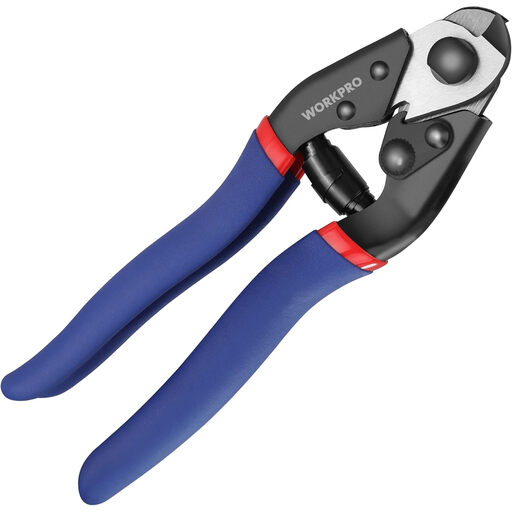
Why It Stands Out: This tool is specifically designed for cutting steel wire rope, setting it apart from standard cable cutters.
Key Features:
Who It's For: Ideal for bike mechanics, sailors, and DIYers who work with steel cables, such as brake lines, gear cables, or suspension wires.
View the WORKPRO Wire Rope Cutter 190mm on Joybuy
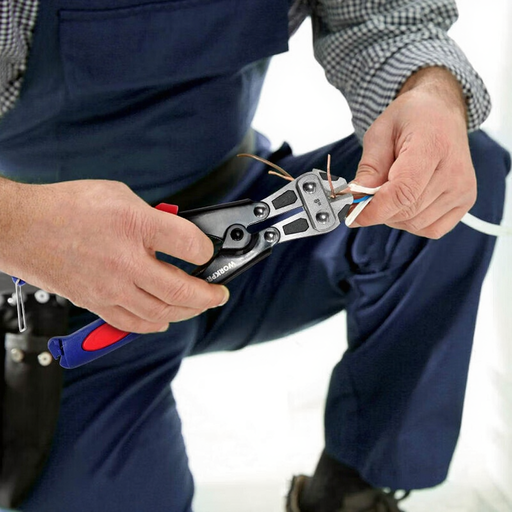
Why It Stands Out: A compact powerhouse that offers the functionality of a bolt cutter in a manageable size.
Key Features:
Who It's For: Construction and installation professionals, as well as hobbyists who frequently need to cut bolts, chains, or thick metal wire.
View the WORKPRO Mini Bolt Cutter 210mm on Joybuy

Why It Stands Out: Combines side cutters and a wire stripper into a single tool, saving space and time.
Key Features:
Who It's For: Electricians, technicians, and DIYers who frequently work on electrical installations, equipment maintenance, and home repairs.
View the WORKPRO Side Cutters & Wire Stripper 2-in-1 on Joybuy
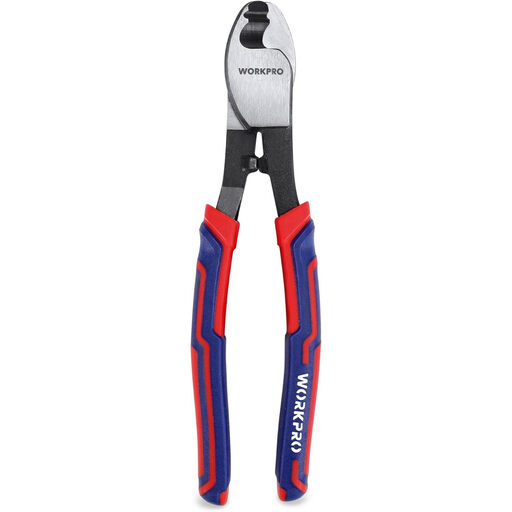
Why It Stands Out: A robust, no-nonsense wire cutter designed specifically for copper and aluminium cables.
Key Features:
Who It's For: An excellent choice for electricians and DIYers who primarily work with copper and aluminium wiring for installation and repair jobs.
View the WORKPRO Cable Cutter 210mm on Joybuy
Didn't find the perfect cutter for your project? No problem. There's a suitable tool for every specific job. Explore our full range of wire cutters for more specialised options.
1. What is the difference between a cable cutter and side cutters? A cable cutter typically has rounded jaws that encircle and shear a cable, similar to scissors. This creates a neat, round cut, which is ideal for electrical cables. Side cutters (or diagonal cutters) have flat jaws that are flush on one side, allowing you to snip a wire flat against a surface. They are better suited for precision work with thinner, solid wires.
2. Can I use a standard cable cutter for steel cable? No, this is strongly discouraged. Steel is much harder than copper or aluminium. Using a standard wire cutter on steel cable will permanently damage the tool's cutting edges and will likely crush the cable instead of cutting it. Always use a dedicated wire rope cutter for this material.
3. What does Cr-V steel stand for? Cr-V stands for Chrome-Vanadium steel. This is an alloy known for its superior strength, hardness, and resistance to wear and corrosion. Tools made from Cr-V steel are generally more durable and better suited for heavy-duty or professional applications.
