
Vandaag of morgen in huis

Kwaliteit gegarandeerd

Welkomstaanbiedingen ontgrendelen: GRATIS bezorging | Tot 80% korting | Gratis 30 dagen JoyPlus-proefperiode
Download de app
A cabin suitcase might seem simple to choose, until you reach the gate and discover that it’s the wrong size or your bag is too heavy. Even small differences in size can matter, especially with budget airlines. Terms such as “20 inch”, “lightweight” and “airline approved” don’t always tell you how practical a suitcase will be.
Before you buy, look out for these three common pitfalls:
First, check the maximum external dimensions allowed with your ticket. With Ryanair cabin baggage, for example, a small bag that fits under the seat can measure up to 40 x 20 x 25 cm. A larger cabin bag may only be allowed with an additional ticket or priority option. easyJet cabin baggage and British Airways have different combinations of dimensions and conditions.
Keep these points in mind:
A compact cabin suitcase around 53 to 56 cm tall is often suitable for short trips, but there’s no universal guarantee it will be accepted. A weekend bag or soft-sided cabin case can sometimes be easier to fit within the limit than a rigid hard-shell suitcase.
A lightweight suitcase leaves more of your total weight allowance for clothes and electronics. So compare the empty weight with the capacity. A soft cabin suitcase weighing 1,46 to 1,7 kg can be a practical choice if you want to take as much as possible. A hard-shell suitcase weighing 2,5 to 3,45 kg usually has a more rigid exterior, but leaves less weight allowance for your belongings.
A hard-shell suitcase made from ABS, ABS+PC or polycarbonate protects your belongings with a rigid shell. This can be useful for fragile items, but a hard case may be less forgiving if you’re just over the size limit.
A soft-sided suitcase made from polyester often has extra external pockets, making it handy for documents, a tablet or a boarding pass. It offers different protection from a hard shell. Check the construction: a reinforced frame or EVA panels can help the bag keep its shape, but won’t automatically make it suitable for every airline.
Four spinner wheels turn in multiple directions and are handy at stations and on smooth airport floors. Two wheels can be lighter and take up less space, but you’ll usually need to pull the case behind you.
Also check for:
A suitcase with a TSA lock can be opened by authorised staff during security checks in certain countries without forcing the lock. It won’t prevent someone who knows the combination from opening the suitcase. Set a new code as soon as you receive it and keep the combination somewhere safe.
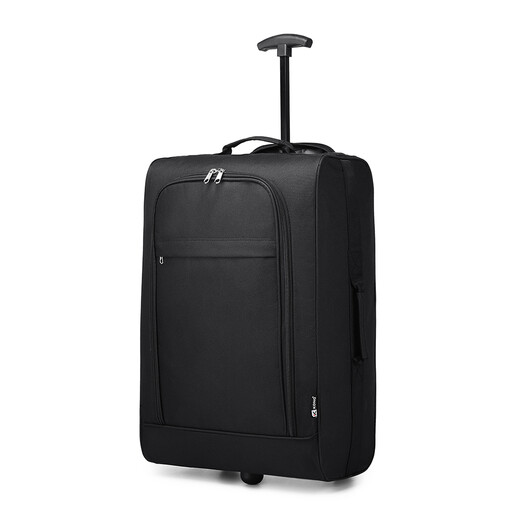
Why it suits this type of traveller: According to the product specifications, this soft cabin suitcase weighs 1,46–1,7 kg and has a capacity of around 33 litres. That makes it suitable for a weekend away, a business trip or a short city break.
The exact dimensions of 53 x 36 x 18 cm and the stated weight make it easier to compare than relying on the term “cabin size” alone. Be sure to check your ticket conditions.
600D polyester, a fully opening front panel, a front pocket and two wheels. A practical choice for light packing and quick access to your documents.
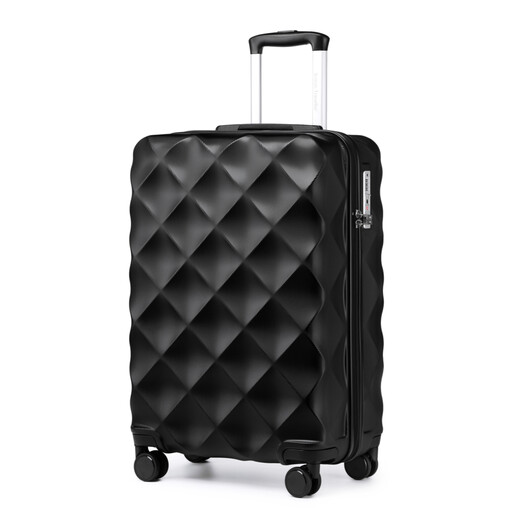
Why it suits this type of traveller: This hard-shell suitcase combines ABS+PC construction with a capacity of 34 litres and a stated weight of 2,27 kg. Its compartments are ideal if you like to keep clothes and accessories separate.
The product information lists the dimensions in centimetres, the capacity in litres and the weight separately. It also mentions a 3-digit TSA combination lock; check your airline’s size limits before travelling.
Four 360-degree TPE spinner wheels, an adjustable aluminium handle, cross straps and a zipped mesh pocket.
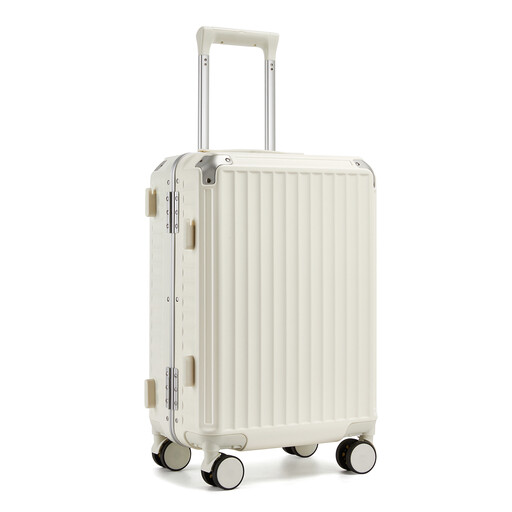
Why it suits this type of traveller: According to the product information, this 20-inch cabin suitcase measures 55 x 37,5 x 23 cm, has a capacity of 39 litres and weighs 3,45 kg. Its layout and extra features are designed for business trips and regular use.
The external dimensions and empty weight are clearly stated. The product description mentions a TSA lock and a frame without a traditional zip; check in advance that 23 cm is within your baggage limit.
PC hard shell, aluminium frame, 360-degree spinner wheels, phone holder, cup holder and compartments for organised storage.
We’ve put together a complete, up-to-date list of products that meet these strict selection criteria and the current European safety regulations.
That depends on the airline, your ticket and the size of the suitcase. Check the latest baggage rules for Ryanair, easyJet, British Airways or the airline you’re travelling with. A suitcase that counts as cabin baggage with one airline may only be allowed with another for an additional fee.
A soft-sided suitcase often has external pockets and is relatively lightweight. A hard-shell suitcase keeps its shape and can protect the contents better from external pressure. For a weekend case, the most important things to consider are its empty weight, capacity in litres and exact external dimensions.
Its lifespan depends on how often and how heavily you use it, the surfaces you take it over and how well you maintain it. Don’t overload the handle or wheels, avoid dragging the suitcase over rough paving unnecessarily and clean the exterior according to the product instructions. When buying, also check the warranty information and your statutory consumer rights in the EU.
