
Vandaag of morgen in huis

Kwaliteit gegarandeerd

Welkomstaanbiedingen ontgrendelen: GRATIS bezorging | Tot 80% korting | Gratis 30 dagen JoyPlus-proefperiode
Download de app
A cabin suitcase seems easy to choose – until you reach the gate and discover that it’s the wrong size, or the wheels struggle over cobbled streets. A low weight doesn’t tell the whole story either: a flimsy construction, awkward layout or unreliable lock can quickly make your journey less comfortable.
So keep an eye out for these three common pitfalls:
Measure your suitcase, including the wheels, handles and any protruding parts. Many compact models are around 55 x 35-40 x 20-23 cm, but that doesn’t mean every airline will accept them as cabin baggage.
A 20-inch cabin suitcase is generally suitable for short business trips, weekend breaks or a few days away. Check your airline’s current requirements before buying and before you travel. This is especially important if you’re looking for a suitcase for Ryanair and easyJet: the permitted dimensions may depend on your ticket or any extra cabin baggage option.
Check the suitcase’s empty weight too. A lightweight suitcase weighing around 1.5 to 3 kg leaves more room within your baggage weight allowance. Also check its capacity in litres, as two suitcases with similar external dimensions can have very different interiors.
A hard-shell suitcase made from ABS, polycarbonate or a combination of the two has a solid outer shell. This can be useful if you want to keep your clothes separate from fragile items. PC is generally more flexible than ABS; an ABS+PC construction combines both materials, according to the product specifications.
A soft-sided suitcase made from polyester is often lighter and usually has a front pocket for documents, a laptop or a boarding pass. The material can flex as you pack, but offers a different level of protection from a hard shell.
Look beyond the material and check:
A suitcase with spinner wheels usually turns through 360 degrees. Four double wheels roll easily alongside you on smooth floors, while a two-wheel model is often simpler and lighter. Two wheels can be practical on uneven ground, but you’ll need to pull the suitcase behind you.
A TSA lock is designed to let baggage be opened during certain security checks without forcing the lock. It won’t protect against every kind of theft. Reset the default code, often 0-0-0, as soon as you receive the suitcase, and keep the new combination somewhere safe.
Look for cross straps, a mesh divider, separate compartments and, if useful, a waterproof pocket. These details make it easier to keep clothes, electronics and liquids neatly separated.
The options below are based on verifiable details such as size, weight, material, wheels and layout. Any claims about durability tests are presented as information from the brand. For example, NINETYGO states that it carried out its own product tests; this is not an independent guarantee for every travel situation.
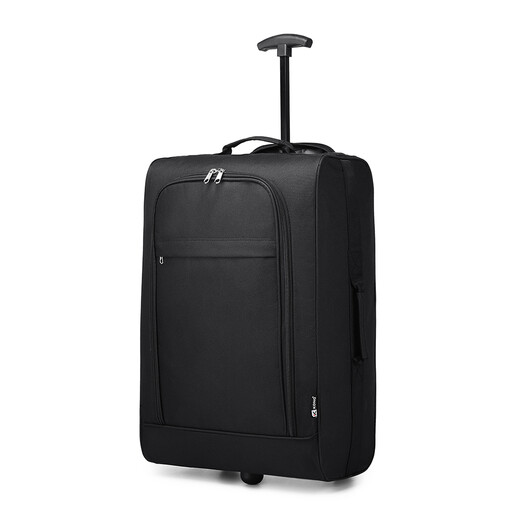
Why it suits this type of traveller: Weighing around 1.46-1.7 kg and with a capacity of about 33 litres, this model is a practical choice for a weekend away or a short business trip.
Its low empty weight means the suitcase itself uses less of your permitted baggage allowance. Be sure to check your airline’s requirements.
53 x 36 x 18 cm, 600D polyester, front pocket, full front-panel opening and two wheels.
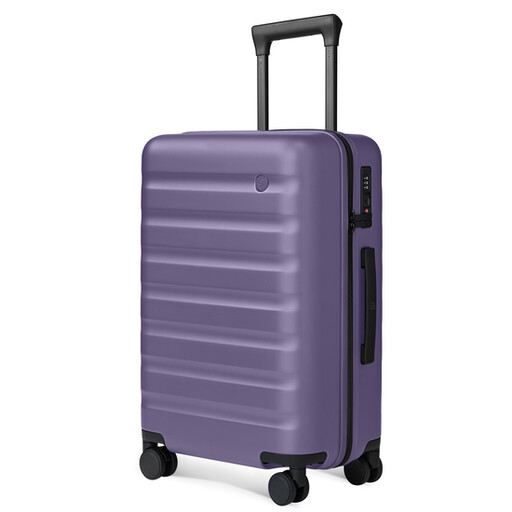
Why it suits this type of traveller: This model combines a PC shell with a TSA lock, double spinner wheels and an interior layout designed for travellers who like to keep their cabin baggage organised.
The stated dimensions of 56 x 38.5 x 23 cm make it clear that you should compare the cabin baggage rules in advance, rather than relying on “20 inch” alone.
PC shell, 38-litre capacity, around 3 kg, double spinner wheels, compression straps and a waterproof PVC pocket.
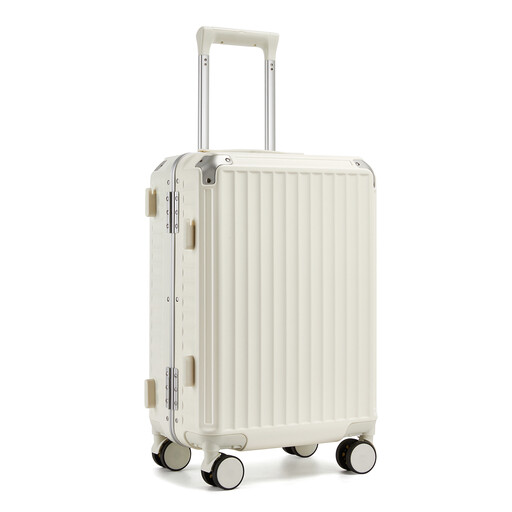
Why it suits this type of traveller: Its 39-litre capacity, aluminium frame and accessories such as a phone holder and concealed cup holder make it a good fit for frequent business travellers.
The stated dimensions of 55 x 37.5 x 23 cm and weight of 3.45 kg give you a clear idea of its size and weight. Check whether this depth is permitted with your ticket.
PC shell, aluminium frame, 360° spinner wheels, TSA lock, cross straps and separate mesh pockets.
We’ve put together a complete, up-to-date list of products that meet these strict selection criteria and the applicable European safety regulations.
It depends on the airline, your ticket type and sometimes the cabin baggage option you’ve chosen. Check the airline’s website for the maximum height, width, depth and weight. Measure your suitcase, including the wheels and handles.
No, a TSA lock isn’t a general requirement. It can be useful when travelling somewhere baggage may need to be opened by security staff. Also choose a model with a sturdy zip or frame, and change the default code before using it.
Its lifespan depends on the material, how much you pack, the surfaces you travel over and how often you use it. Overpacked suitcases put extra strain on the wheels, zips and handles. Before buying, check the care instructions, don’t exceed the stated capacity and store the suitcase somewhere dry.
