
Vandaag of morgen in huis

Kwaliteit gegarandeerd

Welkomstaanbiedingen ontgrendelen: GRATIS bezorging | Tot 80% korting | Gratis 30 dagen JoyPlus-proefperiode
Download de app
Lemonade syrup is a practical way to add flavour to tap water. Yet bottles often look more alike than they really are. A prominent fruit flavour, for example, says little about the actual fruit content, while “zero” does not automatically mean that every nutritional value is zero. If you want to buy lemonade syrup online, it is therefore worth comparing the label, recommended dilution and total yield.
A fruit syrup can taste of peach, forest fruits or tropical fruit without containing a large proportion of fruit juice. Always check the ingredients list. Ingredients are listed in descending order by quantity. A product containing, for example, 75% juice from concentrate is clearly different from a syrup made primarily from sugar, water and flavourings.
Also pay attention to mixed flavours. Multifruit syrup may combine apple, orange, passion fruit, pear and pineapple, but the percentage of each fruit can vary considerably.
The terms sugar-free lemonade syrup and “zero” refer to sugar, but nutritional values can vary by product and serving size. Some syrups contain sweeteners and thickeners. Do not look only at the front of the bottle; also check:
The product information for Karvan Cevitam Multifruit states 0% sugar and 0 calories, while the nutrition table lists 8 kcal and 0.5 grams of sugar per 100 ml of syrup. When in doubt, always check the current label on the packaging.
A 600 ml bottle may appear inexpensive, but the yield depends on the dilution ratio. At a ratio of 1 part syrup to 9 parts water, a 600 ml bottle produces approximately 6 litres of drink. Other products may recommend a ratio of 1 to 12. Compare the price per litre of prepared lemonade, rather than the price per bottle alone.
First choose the flavour profile that suits your household:
According to the product description, Karvan Cevitam Blackcurrant Original contains 75% juice from concentrate, including 10% blackcurrant. Van de Boom Pear Syrup lists 85% fruit juice from concentrate, with 75% apple and 10% pear. These percentages provide a clearer picture than the flavour name alone.
The recommended mixing ratio determines both the flavour and the cost. Follow the instructions on the packaging, then adjust the strength if necessary. Adding too much syrup does not merely make a glass sweeter; it also increases the amount of sugar, sweeteners and calories per serving.
For families, it is useful to check how many glasses one bottle produces. Karvan Cevitam products in 600 ml bottles generally state a yield of up to 30 glasses of 200 ml. Raak Multi-Fruit Syrup also lists 30 glasses of 200 ml per bottle. With a multipack, the lower price per bottle can be appealing, provided you use the flavour regularly.
Always review the complete ingredients list before buying. Pay attention to:
Most of the syrups mentioned do not list any of the 14 major EU allergens. Taksi drinks are an exception in this selection: they contain milk ingredients. They are also ready-to-drink beverages, not syrup intended to be diluted with water. This distinction matters if you are specifically looking for a concentrate for homemade lemonade.
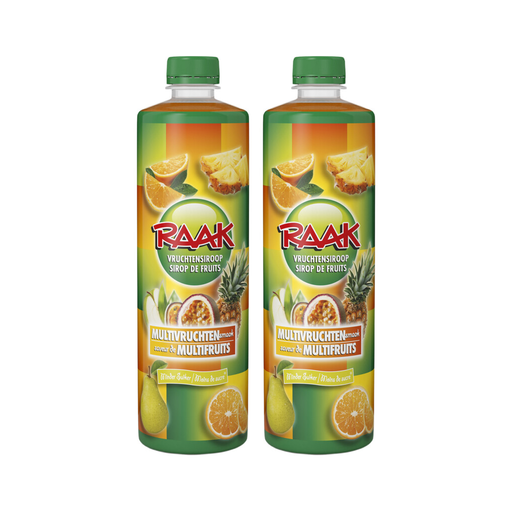
Why it suits you: A twin pack is convenient for families who regularly prepare multifruit lemonade and want to keep a spare bottle on hand.
The product information states that each bottle makes 30 glasses. This makes it easier to weigh the yield against the multipack price.
Apple, orange, passion fruit, pineapple and pear; 6.7 grams of sugar per 100 ml of syrup according to the product information.
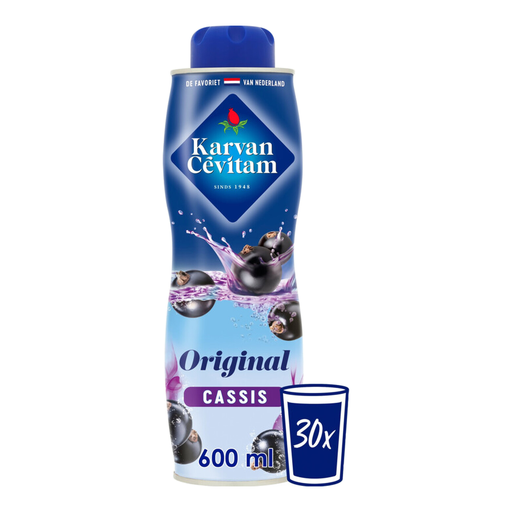
Why it suits you: A choice for anyone looking for a distinct blackcurrant flavour and a high stated fruit content.
The ingredients list distinguishes between apple, blackcurrant and elderberry. This shows that “cassis” is not the same as 100% blackcurrant.
According to the product description, it contains 75% juice from concentrate and makes up to 30 glasses per bottle; contains sugar.
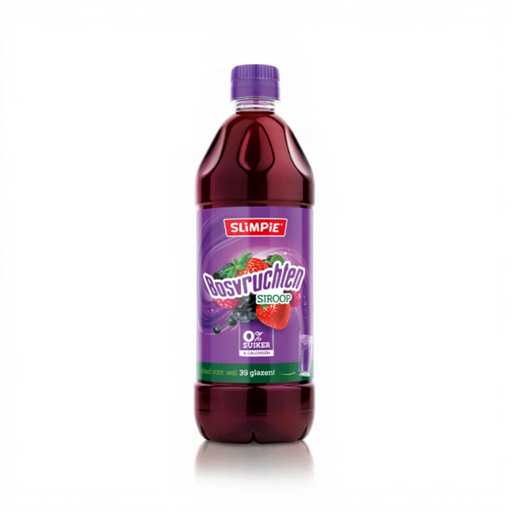
Why it suits you: Ideal for anyone seeking a forest fruit profile with sweeteners instead of added sugar.
The nutritional information lists 0 grams of sugar and 1 kcal per 100 ml of syrup. Do check the current serving instructions.
Contains 6% fruit juice from concentrate and, according to the product information, is suitable for vegetarians and vegans.
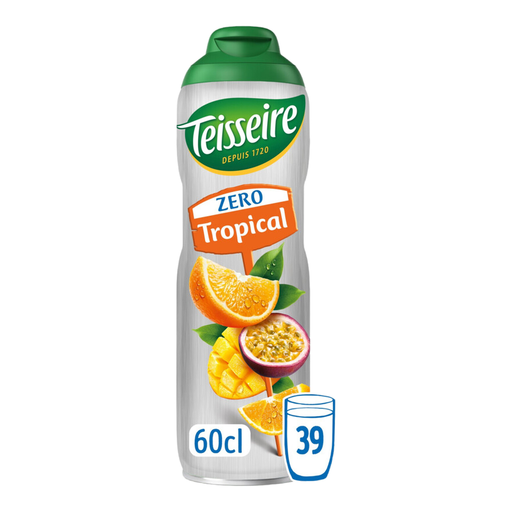
Why it suits you: An option for water, mocktails or desserts if orange, mango and passion fruit are your preferred flavours.
The product information states 15.5% fruit juice from concentrate. This makes the proportion easy to assess alongside the marketing term “tropical”.
Lists 1.5 grams of sugar and 18 kcal per 100 ml of syrup; according to the product description, the bottle is recyclable.
Browse the current range of fruit syrups and compare flavours, pack sizes, nutritional values and dilution recommendations.
It depends on the brand. Many 600 ml bottles recommend 1 part syrup to 9 parts water, producing approximately 30 glasses of 200 ml. Ideally, use a measuring cap or start by adding a small amount of syrup. You can then adjust the flavour without using too much from the outset.
Most of the products mentioned should be refrigerated after opening. The exact period varies by brand and is stated on the label. Close the bottle securely and do not use the syrup if its smell, colour or flavour has clearly changed.
It can be, particularly when one bottle produces several litres of drink. Compare the price per litre of prepared lemonade and take the recommended dilution into account. An inexpensive bottle with a low yield is not automatically the better-value option.
