
Vandaag of morgen in huis

Kwaliteit gegarandeerd

Welkomstaanbiedingen ontgrendelen: GRATIS bezorging | Tot 80% korting | Gratis 30 dagen JoyPlus-proefperiode
Download de app
Korean instant noodles are popular with students, fans of Asian cuisine and anyone who wants something hot to eat quickly. Yet the difference between a handy cupboard staple, a spicy snack and a disappointing purchase can be greater than the packaging suggests. When buying Korean ramen or instant ramen, it pays to look beyond an eye-catching flavour label.
Terms such as spicy, hot chicken and fire point you in a clear direction, but they are not part of a standardised heat scale. The experience also depends on the amount of sauce, the preparation method and any additions such as egg, cheese or vegetables. A product with a creamy flavour may therefore seem milder than a noodle soup with a powerful chilli-and-garlic broth, even when the brand does not state an official heat rating.
Nutritional values are usually shown per 100 grams, while a pack may contain 62, 80, 130 or 145 grams, for example. So do not just compare the figures per 100 grams; also check the total weight per portion. A multipack containing twenty packets may look good value, but it is less practical if you only eat Korean noodles occasionally.
Many Korean noodles contain wheat, gluten and soya. Depending on the flavour, the label may also mention milk, egg, fish, sesame, mustard, celery, peanuts or shellfish. Always check the current label. The product packaging may contain more or different information than an online product page.
Also pay attention to the difference between noodle soup and stir-fried noodles. With soup, the water and broth remain in the bowl. With stir-fried noodles, the water is usually drained before you mix the sauce through the noodles.
A 137-gram pack is not automatically equivalent to a 130-gram pack. Check:
The values on the product page are intended as a guide. Use the label on the packaging when making your final choice, particularly if you need to avoid certain ingredients or allergens.
Korean instant noodles may be produced in South Korea, Vietnam, China or another country. This does not automatically make a product suitable or unsuitable, but it is still relevant information when making your purchase. For example, Vietnam is listed as the country of origin for the Cung Dình Kool Korean BBQ Stir Fry Noodle Bowl, while various Samyang and Nongshim products come from South Korea.
Also check whether a product contains broth, seasoning powder, oil, cheese powder or a separate sauce. This affects not only the flavour but also how many preparation steps are involved.
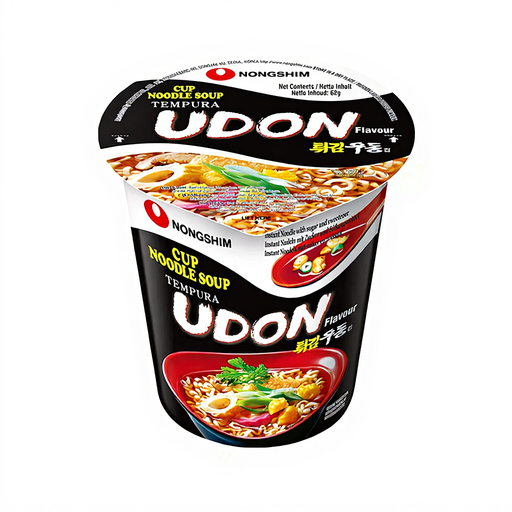
Why it suits this profile: The cup format and hot-water preparation make this a practical introduction to Korean instant noodles at home, school or work.
The 62-gram weight and cup packaging make the portion and usage clear. However, check the flavour variant and allergens on the current cup.
Cup format, hot-water preparation and a savoury udon-style broth.
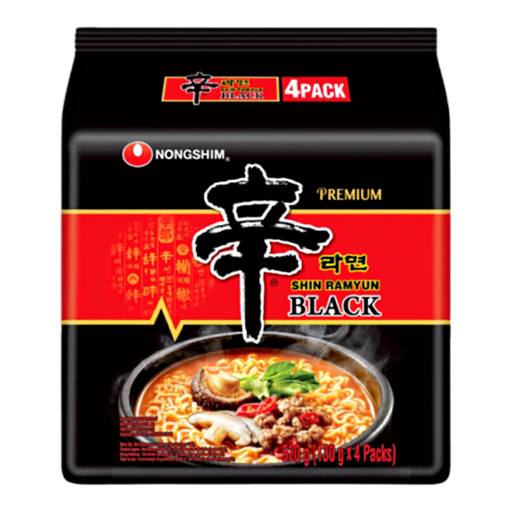
Why it suits this profile: The multipack contains four 130-gram portions and is a good choice for anyone looking for a richer Korean noodle soup to keep in the cupboard.
The bundle makes the number of portions clear. The listed allergens include wheat, egg, sesame, soya, fish and molluscs, among others; check the label before buying.
Four individual portions, 130 grams per pack and a broth featuring mushroom, vegetable and meat-based flavourings.
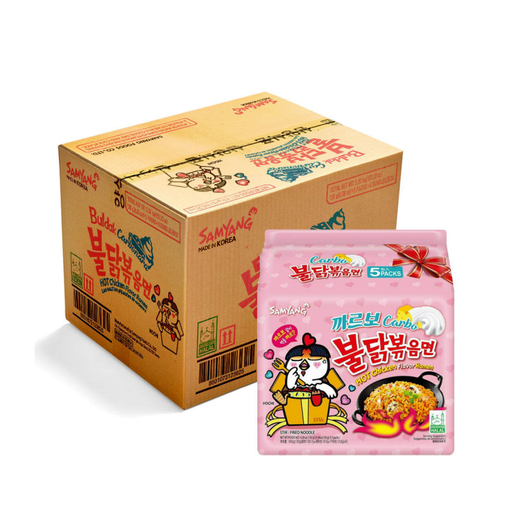
Why it suits this profile: The box of forty portions is aimed at frequent users, shared cupboards and fans of spicy noodles with a creamy flavour profile.
The packaging clearly states that it contains 40 portions of 130 grams. The sauce contains chilli and the product is described as spicy, so it is less suitable if you are looking for mild instant ramen.
Large multipack, 130 grams per packet and separate sauce and powder components for a creamy carbonara-style flavour.
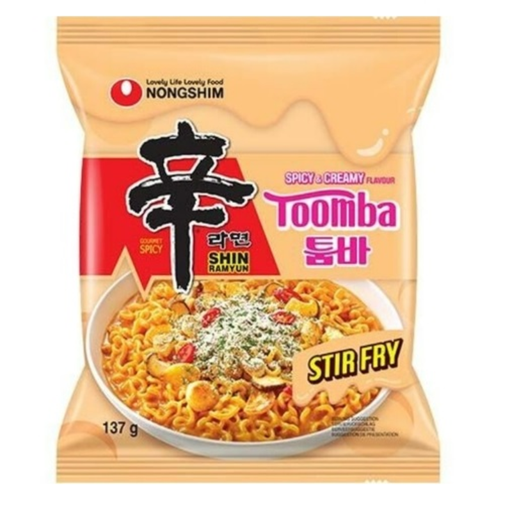
Why it suits this profile: According to the product description, this variant combines a rich, spicy flavour with the familiar Shin Ramyun profile. It is a good choice if you want something different from standard ramen noodles.
The product information states 137 grams per pack and clearly describes the flavour profile. As the ingredients include allergens, the label should be treated as the definitive source.
137 grams per portion, a soup base with herbs and spices, and a flavour profile that goes beyond a simple broth.
We have put together a complete, up-to-date list of products that fully meet these strict selection criteria and the applicable European safety regulations.
Always follow the instructions on the packaging. Packet noodles are often boiled in water for several minutes. With stir-fried noodles, drain off most of the water afterwards and mix in the sauce. Cup noodles are usually prepared by adding hot water up to the indicated line and waiting for several minutes. Do not use a microwave unless the packaging says that it is suitable.
The relevant best-before date is shown on the packaging. Store unopened Korean noodles in a cool, dry place away from direct sunlight. It is best not to use damaged packaging. Once prepared, eat the noodles straight away; do not keep a prepared portion for longer than necessary.
Check the flavour name, ingredients list and preparation method. Samyang Buldak is known for its particularly spicy range, but the exact experience varies between variants. Carbonara and cheese varieties also often contain milk ingredients. If you prefer less heat, start with a cup, use less sauce or choose a milder broth-based variety.
