
Livraison le jour même et le lendemain

Qualité garantie

Débloquez vos offres de bienvenue: Livraison GRATUITE | Jusqu'à -80 % | 30 jours d'essai gratuits à JoyPlus
Téléchargez l'application
Buying wine online is easy, but an attractive product page does not always tell you everything you need to make a good choice. A beautiful bottle, a well-known region or words such as “refined” mean little if the alcohol content, size or flavour profile is missing.
With this practical checklist, you can focus on information that you can actually verify online. This makes it easier to find the right white wine, rosé wine, sparkling wine, organic wine or alcohol-free alternative for a dinner, drinks gathering or special occasion.
French, Italian and Spanish wines each have their own styles, but the country of origin does not fully determine whether a bottle will suit your taste. Also check the grape variety, type of wine and descriptions of acidity, fruitiness and dryness.
For example, Chablis is made from Chardonnay grapes grown in France’s Chablis region. The available product information describes Chablisienne Le Finage as having a fresh, mineral style with notes of green apple, lemon and flint. This tells you much more about the expected flavour profile than simply seeing the word “France”.
A 750 ml bottle of wine is a standard size for sharing over dinner. For one person or a shorter occasion, a small bottle of wine may be more practical. A 200 ml or 375 ml bottle means you do not have to store an opened bottle for an extended period.
Also bear in mind the difference between still and sparkling wine. Once opened, sparkling wine can lose its fizz more quickly. Choose a size that suits the number of people drinking.
Alcohol-free wine is not automatically the same as wine with a low alcohol content. Check the stated alcohol content on the product page and packaging. For example, Pierre Zéro Rosé is listed as 0.0% vol and described as dealcoholised wine. Oddbird Blanc de Blancs is offered as alcohol-free sparkling wine.
Ingredients, sugar levels and allergens can also vary between alcohol-free products. Always check the label, particularly if you need to avoid sulphites or other ingredients.
The alcohol content helps you compare products fairly. De Venoge Marquis de Marillac Brut lists 12% vol. Chablisienne Le Finage lists 12.5% vol, while Falasco Soave states 13% vol. Lunaria Ramoro Pinot Grigio Rosé is listed at 13.6% vol.
Also check whether the product is described as:
For organic products, it is wise to check which certification or designation appears on the label. A marketing term on its own does not provide enough information.
The volume determines roughly how many glasses you can pour and how much wine may be left over. As a practical guide:
A 750 ml bottle is well suited to wine served with dinner. For an aperitif with several guests, a sparkling wine such as De Venoge Marquis de Marillac Brut could be a good choice. The product description mentions aromas of green apple, citrus and toasted brioche, with a dry, fresh taste. According to the available information, this wine pairs well with seafood, appetisers and light desserts.
Use food pairing as a guide, not a guarantee. When choosing wine for fish and seafood, fresh white wines and dry sparkling wines are often sensible options to consider. According to the product information, Chablisienne Le Finage pairs with seafood, shellfish, poultry and salads.
Rosé wine works well with a range of lighter dishes. Domaine la Colombe Provence Rosé is described as having notes of strawberry, raspberry and subtle citrus. Suggested pairings include salads, grilled fish, shellfish and summery dishes.
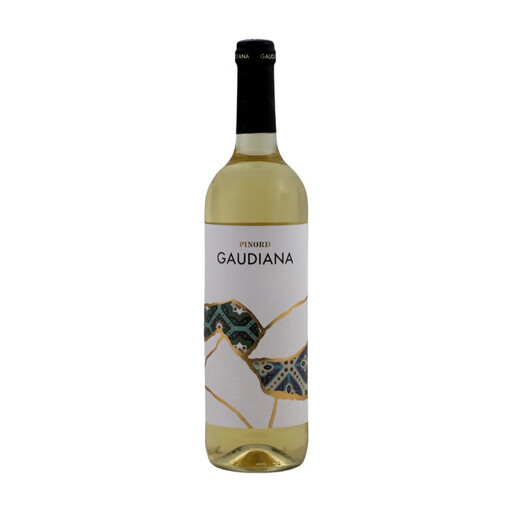
Why it suits this profile: According to the product information, this white wine has a fresh, fruity character and comes in a standard 750 ml bottle. This makes it a straightforward choice for a first online purchase.
The product page states the 12% alcohol content, bottle size and Catalonia region. You therefore do not have to rely solely on the bottle or region name.
750 ml, 12% vol and a fresh, fruity style; suitable for a range of occasions.
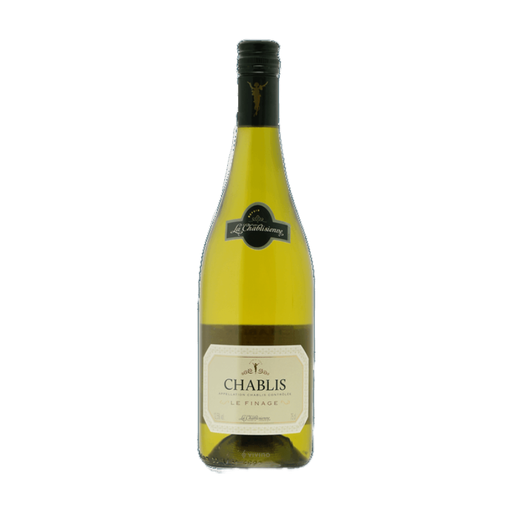
Why it suits this profile: For anyone specifically looking for a French white wine with a defined flavour style and clear food pairings.
The description states 100% Chardonnay, its Chablis origin and a screw cap. This means your choice is based on verifiable product details.
100% Chardonnay, 750 ml, 12.5% vol and a stated pairing with fish, seafood and salads.
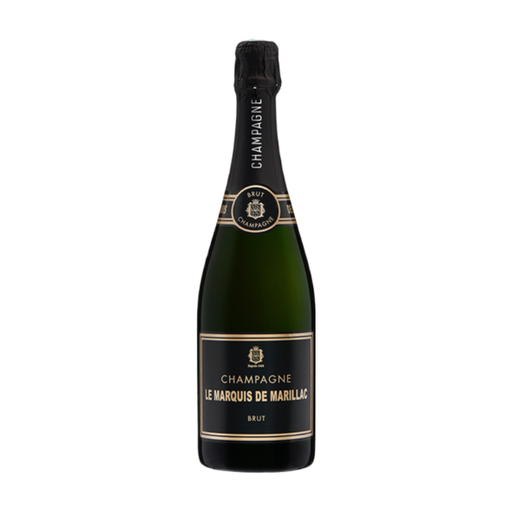
Why it suits this profile: A good choice for dinners, aperitifs and occasions when you want to share sparkling wine with several guests.
The product information states the Brut style, 750 ml, 12% vol and sulphites. You can check the size and ingredients in advance.
Dry Brut style, fine bubbles, 750 ml and food pairings with seafood, appetisers and light desserts.
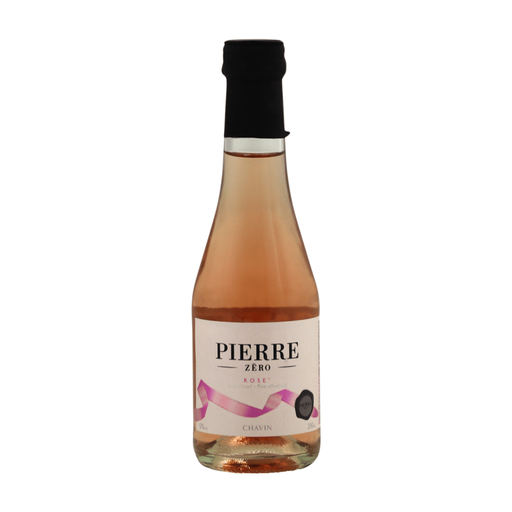
Why it suits this profile: This small wine bottle is convenient when you want a single serving or prefer to drink alcohol-free wine without opening a full bottle.
The page explicitly states 0.0% vol, 200 ml and the ingredients of the dealcoholised wine. Always check the packaging for the latest information.
0.0% vol, 200 ml, rosé from Languedoc and a screw cap.
If you are looking for an Italian wine with a fresh style, Falasco Soave is worth considering. The product description mentions notes of lemon and apple, a dry taste and pairings with salads and fish dishes. For rosé, Lunaria Ramoro Pinot Grigio Rosé and Mirabello Pinot Grigio Rosé are options to compare. Lunaria is described as an organic wine, while Mirabello is described as fresh and fruity, with notes of strawberry, redcurrant and cherry.
For a small bottle of sparkling wine, Codorníu Cava Anna Brut Blanc de Blanc at 200 ml and Kolonne Null White Sparkling at 375 ml are practical options to compare side by side. Cava is a Spanish sparkling wine; for alcohol-free varieties, check the alcohol content and ingredients separately.
We have put together a complete, up-to-date list of products that fully meet these strict selection criteria and the applicable European safety regulations.
First, check the type of wine, alcohol content, bottle size, origin, grape variety and allergen information. Then look at the flavour description and suggested dishes. Bear in mind that tasting notes come from the product description; personal taste can vary.
That depends on the serving size. With a standard pour of approximately 100 to 125 ml, you will get around six glasses. For a dinner with several guests, a 750 ml bottle can therefore be a practical size to share.
Always check the stated percentage. Some products are described as alcohol-free and list 0.0% vol, such as Pierre Zéro Rosé in the available product information. The composition and designation may vary from one product to another, so read the label before buying.
