
Vandaag of morgen in huis

Kwaliteit gegarandeerd

Welkomstaanbiedingen ontgrendelen: GRATIS bezorging | Tot 80% korting | Gratis 30 dagen JoyPlus-proefperiode
Download de app
Buying trainers seems simple until you have to choose between women’s trainers, men’s trainers, children’s trainers, retro trainers and running shoes. An attractive design is not automatically suitable for long walks, school days or intensive training. If you focus only on colour, brand or discount, you could end up with a pair that wears out quickly, offers insufficient support or fits differently from expected.
As a Joybuy Product Recommendation Officer, I filter the most important product information down to practical points. This allows you to compare models based on use, fit, material and care, rather than relying solely on marketing terms.
Casual trainers and sporty shoes can feel comfortable for everyday use, but that does not automatically make them suitable for running. For running shoes, factors including cushioning, flexibility, grip and a secure fit are important. A model with a leather or synthetic upper may be perfectly suitable for the city, but less appropriate for longer runs when ventilation and freedom of movement matter.
An EU size is not identical across every brand or model. You should therefore also check your foot length in centimetres and consult the size guide on the product page. For example, the adidas Run 70s 2.0 links a foot length of 25.5 cm to size 40. The listed fit is true to size, but measuring your own feet remains the most useful check.
A trainer with a sturdy appearance is not necessarily hard-wearing. Consider the combination of the upper, lining, midsole and outsole. Mesh can help with ventilation, while rubber under the sole is relevant for grip and wear resistance. Suede and textile require different care from synthetic leather. Also check whether machine washing is discouraged; incorrect cleaning can damage the construction and colour.
First, decide what you need the shoes for:
A good fit is not just about ensuring your toes do not touch the front. Also check that the heel is held securely and that the shoe does not pinch around the forefoot. For children, a hook-and-loop fastening, as found on the New Balance PC574EVN, can make putting shoes on and taking them off easier. For running shoes, laces are useful for adjusting the tension around the instep.
An EVA midsole is often used to create a lightweight, cushioned construction. Rubber on the outside is important for grip and wear resistance. Mesh and textile can support air circulation, while synthetic leather and suede offer a different appearance and require different care.
Be wary of phrases such as ‘extra comfort’ or ‘superior cushioning’. These are general descriptions. Instead, look for verifiable details such as the material, sole construction, stated weight where available and recommended use. You should read brands’ performance claims as information from their own product descriptions, not as a universal guarantee.
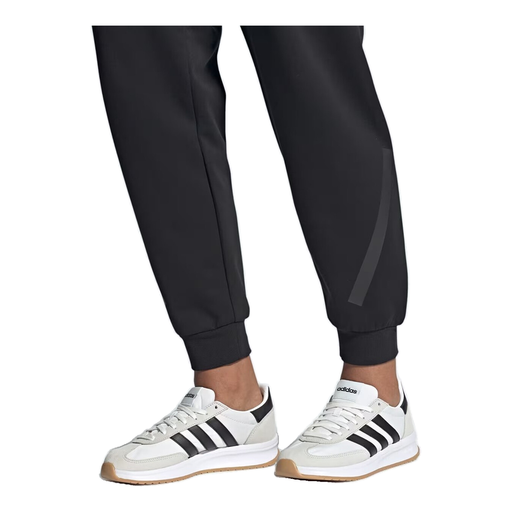
Why it suits this profile: The retro-inspired shape is suitable for everyday wear, school or casual outfits. The product information lists a synthetic leather and textile upper, a textile lining and a rubber outsole.
The specifications make it clear that this is a versatile lifestyle trainer. Do not use it as a specialised running shoe.
Retro styling, flexible rubber sole and a stated foot length of 25.5 cm to help with size selection.
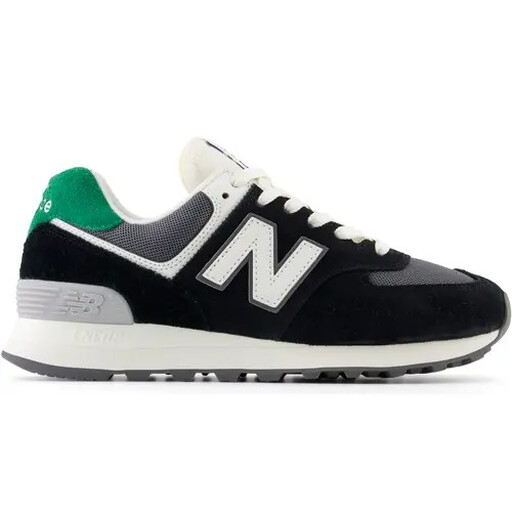
Why it suits this profile: According to the product description, this women’s trainer combines suede and mesh with an ENCAP midsole made from EVA and polyurethane. The neutral colours work well with jeans, dresses and sporty clothing.
The material construction is clearly listed. Bear in mind that suede requires more care than a fully synthetic upper.
Suede with breathable mesh, an EVA midsole and rubber outsole for everyday use.
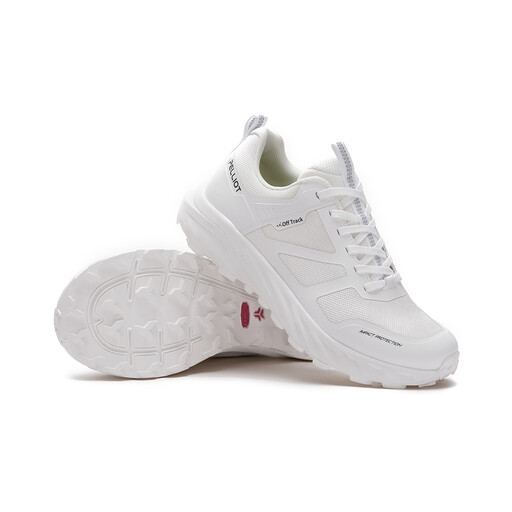
Why it suits this profile: According to the product information, this unisex model is designed for running and routes ranging from tarmac to trails. It features a sandwich-mesh upper, EVA midsole and ROCKYTEC rubber outsole.
The shoe is clearly more geared towards sporting use than a casual trainer. However, check whether the standard or narrow fit suits your foot.
Lightweight mesh, flexible EVA midsole and an outsole that, according to the description, is suitable for different surfaces.
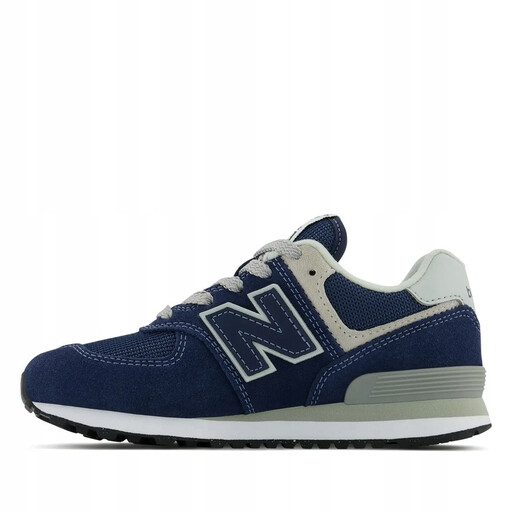
Why it suits this profile: This children’s trainer has a hook-and-loop fastening, an EVA midsole and a rubber sole with tread. That makes it suitable for school, play and everyday use.
The sole and fastening are designed for practical everyday use. Measure the foot regularly, as children grow quickly.
Hook-and-loop fastening, suede-synthetic-mesh upper and treaded rubber for grip.
We have put together a complete, up-to-date list of products that fully meet these strict selection criteria and the applicable European safety regulations.
The lifespan of trainers depends on how they are used, their materials and how they are cared for. These habits can help to reduce unnecessary wear:
For intensive running, it is sensible to assess the condition of the cushioning and outsole regularly. There is no fixed lifespan for every model; running distance, body weight, surface and care all play a part.
For everyday wear, casual trainers with a comfortable insole, sufficient heel support and a rubber outsole are practical choices. Retro models such as New Balance trainers, adidas trainers, Converse trainers and Vans Old Skool are particularly suitable when style and versatility are the priorities. For running, choose a model specifically marketed as a running shoe.
Measure both feet at the end of the day while wearing the socks you normally use. Record the length of your longer foot in centimetres and compare it with the size guide for the model you have chosen. Also check any comments about the fit and confirm whether the shoe runs narrow, true to size or generously.
No. Price does not tell you everything about durability. Compare the upper, sole, fastening, care instructions and warranty terms. A model that suits the way you use it and is cared for correctly may be more practical than a more expensive pair designed for a different activity.
