
Vandaag of morgen in huis

Kwaliteit gegarandeerd

Welkomstaanbiedingen ontgrendelen: GRATIS bezorging | Tot 80% korting | Gratis 30 dagen JoyPlus-proefperiode
Download de app
Buying trainers seems simple until you have to choose between cushioning, fit, materials and intended use. A pair for walking around town needs different features from running shoes for tarmac or trail running shoes for muddy paths. Well-known names such as Skechers, New Balance, LI-NING and Joma also use different constructions and sizing systems.
The following pitfalls regularly cost consumers in the Netherlands money:
Do not look only at the EU size. Also check whether the model has a regular fit and which shoe width is specified, such as D or G. If you have wide feet, trainers with a wide toe box may be helpful, but the term alone is no guarantee of sufficient room. If in doubt, measure your foot length and compare it with the table for the specific model.
Also pay attention to the sizing advice. For example, the Skechers Arch Fit-Big Appeal 149057-BBK in size 39 is listed as having a roomy fit; the product information recommends ordering one size smaller. This differs from models where the description says you can order your usual size.
For trainers for everyday use, a rubber outsole with a moderate tread is often practical. For running, a suitable midsole, low weight and a fit that securely holds the foot are more important. With trail running, the outsole tread is particularly important. A smooth lifestyle trainer is not designed for wet roots, loose stones or mud.
Look out for specific details such as:
A mesh or textile upper can be more breathable than synthetic leather, while synthetic reinforcements can provide additional protection. For wet conditions, “breathable” does not mean waterproof. Always check what the manufacturer actually states.
Washing instructions vary considerably. Some models can be washed on a delicate cycle, while children’s trainers with illuminated components should only be cleaned with a damp cloth. Allow shoes to air-dry away from direct heat.
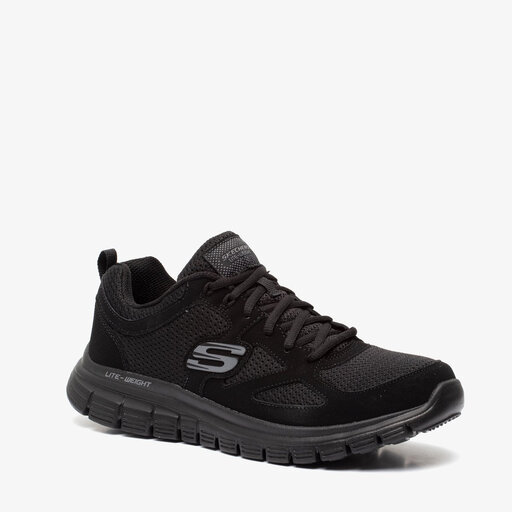
Why it suits this profile: This low-cut model is designed for everyday use and combines synthetic leather, mesh panels and a regular fit. That makes it a practical choice for walking, shopping and casual outfits.
The product information lists specific features: a rubber sole, mesh for breathability and a non-removable memory foam insole. This lets you assess the model based on its specifications rather than simply on the word comfort.
Memory foam insole, rubber outsole, mesh panels and lace-up fastening with heel loop.
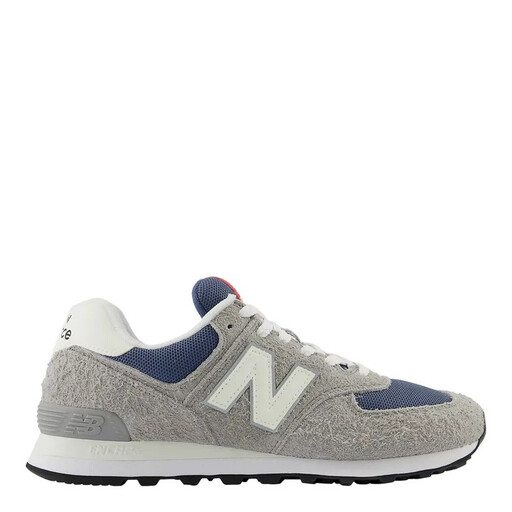
Why it suits this profile: The combination of suede, mesh, an ENCAP midsole and rubber outsole suits anyone looking for one pair for casual wear and light sporting activities.
The description distinguishes between the breathable mesh, suede upper and rubber sole. This makes it clearer what you are paying for than a general claim about durability.
ENCAP midsole, suede with mesh and rubber outsole for grip on a range of surfaces.
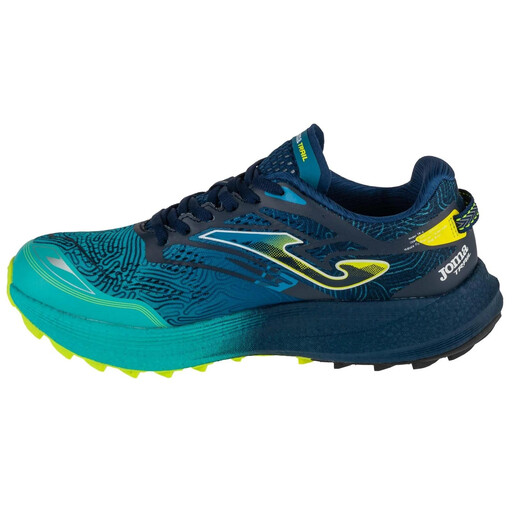
Why it suits this profile: This model is designed for trail running and training on uneven ground. The combination of mesh, synthetic reinforcement, EVA midsole and a rubber sole with tread is suited to routes away from paved roads.
Rather than choosing an ordinary trainer for every situation, you get a model with a reinforced toe and heel and a high-traction sole. However, check that the D fit suits your feet.
Breathable mesh, EVA shock-absorbing midsole, rubber outsole and reinforcement at the toe and heel.
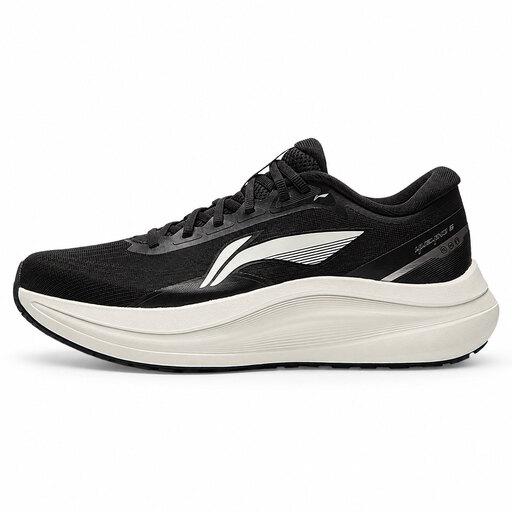
Why it suits this profile: The product information mentions a wider toe box, a full-length Tempo Bounce midsole and a rubber sole with zoned grip. This makes the model relevant to runners looking for extra room around the toes.
The description explicitly mentions the wide toe box and suggests that people with wider feet may want to choose half a size larger. Always check this against your own foot length and sock thickness.
Wide toe box, textile and polyurethane upper, EVA foam and rubber outsole with zonal grip.
We have compiled a complete, up-to-date list of products that fully meet these strict selection criteria and the applicable European safety regulations.
Their lifespan depends on how often you run, your body weight, the surface, the materials and how well they are cared for. Everyday trainers wear out more quickly if you also use them for running. Look out for a tread that is becoming smooth, tears in the upper, stitching coming loose or a collapsed midsole. Rotating between two pairs can give the materials more time to recover.
You can, but their design is tailored to a particular movement pattern and type of use. Lightweight running shoes can be comfortable for walking, while a lifestyle model is less suitable for repeated running loads. Pay particular attention to the grip, fit and wear on the sole.
Not necessarily. Trainers with memory foam can feel soft, but the width is determined by the last and the upper. Check the stated shoe width, toe room and sizing advice. For wider feet, models that explicitly mention a wide toe box are more practical to compare.
