
Vandaag of morgen in huis

Kwaliteit gegarandeerd

Welkomstaanbiedingen ontgrendelen: GRATIS bezorging | Tot 80% korting | Gratis 30 dagen JoyPlus-proefperiode
Download de app
Buying trainers seems simple, until you develop problems with a stiff fit, slippery soles or quickly visible wear after just a few weeks. An attractive colour and familiar brand name do not necessarily tell you everything about comfort or suitability for your needs.
With this practical buying guide, you can compare women’s trainers, men’s trainers, casual styles and running shoes based on measurable factors. That way, you can avoid buying a pair that looks great but is not right for your feet, the surfaces you walk on or your daily routine.
Retro trainers, lifestyle trainers and styles such as the Nike Dunk Low or Puma Speedcat focus on a distinctive look. That does not automatically make them suitable for long walks or running. A flat sole, narrow fit or limited midsole may feel less comfortable when you are out and about for hours.
So always check:
Brand names for cushioning may sound convincing, but they only tell you something once you know where the cushioning is located. An EVA, ABZORB, Cloudfoam or IMEVA midsole is a technical specification. The experience also depends on its firmness, thickness, fit and how you use the shoes.
According to the New Balance U1906ROA product information, the ABZORB midsole provides cushioning and shock absorption. This is a claim from the product description; it is not a guarantee that every wearer will have the same experience. For everyday use, this type of midsole may be worth considering, while for intensive running, stability, grip and the correct size are also important.
A size 40 from one brand may fit differently from a size 40 from another. Women’s trainers and men’s trainers may also use different size charts. So check the stated foot length in centimetres and measure your feet at the end of the day, wearing the socks you normally wear.
When trying them on, look for:
For everyday walking, commuting and light strolls, comfortable trainers with a flexible midsole are often practical. Styles with EVA foam are generally lightweight. The New Balance WL574EVN37 is listed with an EVA midsole, while the adidas Galaxy 7 has a Cloudfoam midsole according to the product information.
For running, running shoes and sports shoes with suitable cushioning and a sturdy outsole make more sense than flat canvas trainers. According to the product description, the adidas Galaxy 7 is designed for road running and has a TPU outsole. Use product claims as a starting point, but also consider your own running distance, pace and the surfaces you use.
A mesh upper generally allows more air to circulate and works well for active use or warmer weather. Synthetic overlays can provide extra structure and protection. Leather and synthetic leather are easier to wipe clean, but may feel less breathable.
Examples:
A lightweight, breathable shoe is not automatically waterproof. Given the weather in the Netherlands, it is sensible to check the care instructions and any recommendations for waterproofing treatments.
A rubber outsole is a common choice for urban use. Look at the tread and flexibility. A flat sole can work well with casual outfits, but does not offer the same characteristics as a running shoe with a more pronounced tread pattern.
Grip remains important on wet pavements, cycle paths and shopping streets. The product information for the models mentioned lists rubber or TPU as the outsole material. Actual grip depends on wear, dirt and the surface underfoot.
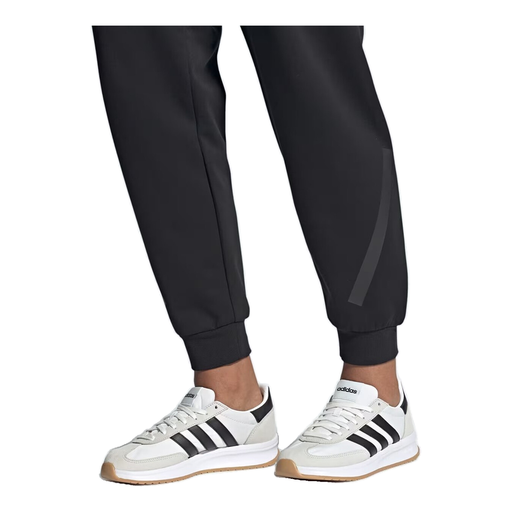
Why it suits this profile: The retro look works well with jeans, sportswear and everyday outfits. The product information states that it has a lightweight, flexible construction and a fit that is true to size according to the listing.
The product page lists the materials, sole type and foot length, so you do not have to choose based solely on the colour or model name.
Textile and synthetic leather, rubber outsole, lightweight design and a retro silhouette.
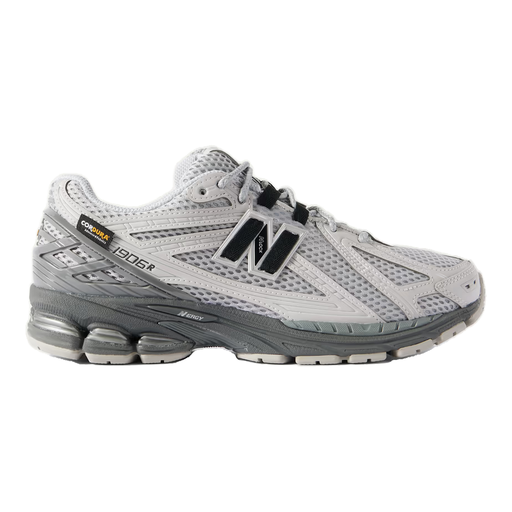
Why it suits this profile: According to the product description, this retro-inspired running shoe is designed for both sporting activities and casual wear. That makes it a suitable choice if you are looking for one versatile pair.
The listing mentions ABZORB cushioning, Stability Web, mesh and synthetic overlays. This allows you to compare support and ventilation more specifically.
Mesh and synthetic upper, ABZORB midsole, Stability Web technology and rubber outsole.
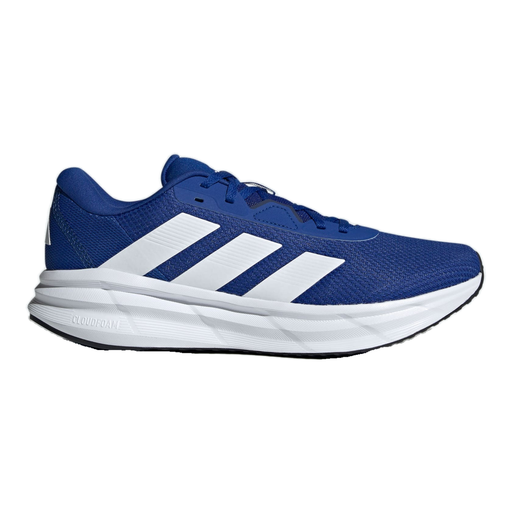
Why it suits this profile: According to the product information, this model is designed for road running and longer distances. It is a logical choice when casual trainers do not provide enough targeted support.
Its intended use is described more clearly than that of general lifestyle trainers. Still, check that the fit and size are right for your feet.
Cloudfoam midsole, breathable textile, TPU outsole and lace-up fastening for an adjustable fit.
We have put together a complete, up-to-date list of products that fully meet these strict selection criteria and the applicable European safety regulations.
Lifespan depends on how often you wear them, your body weight, the surfaces you use them on, the materials and how well you care for them. For everyday use, it is best to alternate between two pairs where possible, allowing the lining and midsole time to recover.
Practical care tips:
For products covered by EU consumer legislation, the description states that a statutory guarantee of at least two years applies. Keep your order details and contact the seller if there is a problem, in line with the applicable terms and conditions.
Choose a style with a secure heel, enough room for your toes, a cushioned midsole and a rubber outsole. Casual trainers may be sufficient for short walks. For longer distances, running shoes or sports shoes with more cushioning are often more practical.
Measure both feet in centimetres and use the size chart for the specific model. Take your socks into account and check the width as well as the length. A shoe that is too short or too narrow will usually not become more comfortable just by wearing it in for longer.
Do not replace a pair based on age alone. Pay particular attention to a compressed midsole, cracks in the upper, parts coming away and a tread that has become smooth. With intensive running, wear can occur more quickly than with occasional everyday use.
