
Vandaag of morgen in huis

Kwaliteit gegarandeerd

Welkomstaanbiedingen ontgrendelen: GRATIS bezorging | Tot 80% korting | Gratis 30 dagen JoyPlus-proefperiode
Download de app
Buying snacks may seem straightforward, but the wide range of options can make comparing products more difficult than it needs to be. Eye-catching packaging, a claim such as “baked” or a large bag tells you little about the flavour, serving size or ingredients. Whether you’re buying crisps, looking for snacks to take on the go or choosing snacks for a party, there are several common pitfalls that can regularly result in a disappointing purchase.
“Baked”, “natural” or “with protein” does not automatically mean that a product is suitable for every situation. A baked potato snack can still be high in energy. For example, according to the product information, Yan Jin Pu Zi O'Potato Baked Potato Crisps Tomato Flavour contains 502 kcal and 24 grams of fat per 100 grams. This may fit into a small portion, but the preparation method alone does not tell you the whole story.
Always compare the nutritional values per 100 grams and per pack. Pay particular attention to energy, fat, saturates, sugar, protein and salt.
A family-sized bag of potato crisps is convenient for sharing, but less practical if you want to measure out portions. A 250-gram bag contains several servings, whereas a small bar or snack bag is often intended for a single eating occasion. So don’t just look at the price per pack. Also check the price per 100 grams and the amount per serving.
Large packs can make sense for a film night or birthday party. For a lunchbox or bike ride, individually wrapped snacks to take on the go are often easier to manage.
Milk, peanuts, nuts, soya and gluten are found in many sweet and savoury snacks. For composite products, always check the ingredients list and allergen information. Also look out for wording such as “may contain traces of”. Asian snacks may additionally contain fish, crustaceans, molluscs or sesame.
The information on the product page is useful as an initial check, but the packaging remains the definitive source. Recipes and allergen information may change.
Comparing products per 100 grams makes it easier to assess them against one another. A protein bar, for example, often contains more protein than an ordinary cereal bar, but it may also contain sweeteners, milk ingredients, soya or collagen. According to the product information provided, XXL Nutrition High Protein Bar Chocolate lists 50 grams of protein per 100 grams and 0.7 grams of sugar per 50-gram bar. Check that the ingredients suit your own preferences and dietary requirements.
For sweet snacks such as a sweets mix, sugar and serving size are particularly important. For savoury snacks, salt and fat often play a greater role. Use the table as a point of comparison, not as the only reason to choose a product.
Ingredients are listed in descending order by quantity. If sugar, oil or flour appears near the top of the list, it makes up a significant part of the product. Also look out for specific ingredients:
A product with few ingredients is not automatically suitable for everyone. The allergen information determines which choice is safe in your circumstances.
A resealable or individually wrapped snack is often more practical after opening than a large bag that quickly loses its crunch. Store dry snacks in a cool, dry place, away from direct sunlight and heat. Extra care is needed with fuet and other cured meats: Stegeman’s product information states that the fuet should be refrigerated after opening, at a maximum of 7 °C and for up to 10 days.
For party snacks, you can offer a variety of crisps, corn snacks, cheese-flavoured snacks and sweet options. For journeys, portions of 20 to 70 grams are more convenient. If you’re looking for something to take to work or sport, you could choose a nut bar, cereal bar or protein bar, checking the ingredients beforehand.
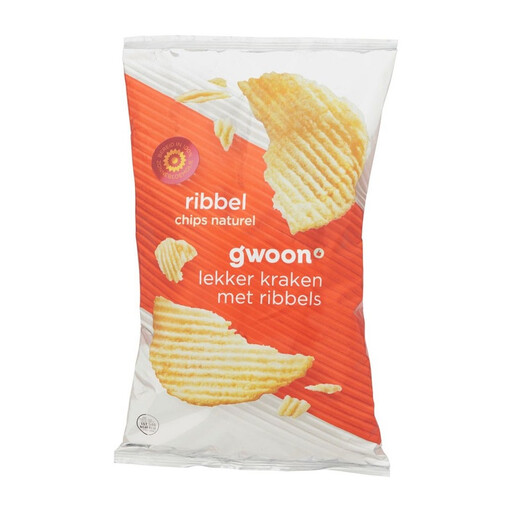
Why it suits this profile: The 250-gram bag is suitable for sharing during a film night or informal get-together. The ingredients list is straightforward: potatoes, sunflower oil and salt.
The packaging clearly states the total contents. Per 100 grams, the product contains 530 kcal, 33 grams of fat and 1 gram of salt, allowing you to weigh out a portion.
250 grams of contents, a ridged texture and, according to the product information, none of the 14 major EU allergens.
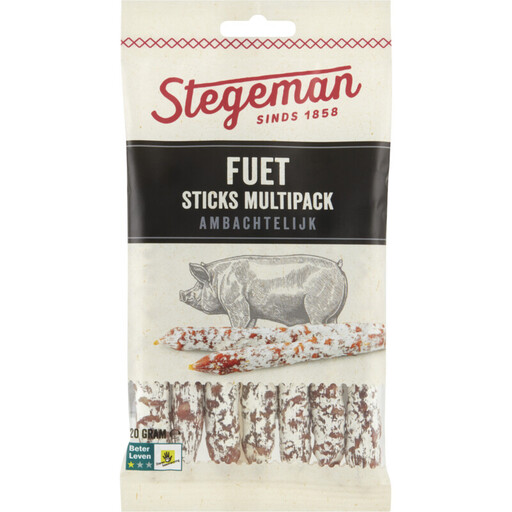
Why it suits this profile: This air-dried sausage is intended for savoury-snack lovers and can be served as part of a sharing board or at a party.
The product specification states that it contains 120 grams, 28 grams of protein and 4.5 grams of salt per 100 grams. This makes it easier to assess the flavour and ingredients objectively.
120-gram multipack, packed in a protective atmosphere and suitable for sharing.

Why it suits this profile: The individually wrapped bar is easy to take to work, on the go or to a sporting activity. According to the product information, one bar contains 25 grams of protein.
The amount of protein and sugar is stated per bar. However, check the ingredients: the product contains milk and soya, among other ingredients, and may contain allergens from cereals and peanuts.
50 grams per bar, 179 kcal according to the product information and a chocolate flavour.

Why it suits this profile: Ten small portion packs containing sweet laces and sour strips make this mix practical for a birthday, treat or sweet jar.
The portions are divided up, so you don’t have to open the entire bag at once. However, the mix contains wheat and gluten, so check this before purchasing.
10 portion packs, 215 grams in total and a selection of fruity and sour flavours.
We’ve put together a complete, up-to-date list of products that fully meet these strict selection criteria and the applicable European safety regulations.
Dog treats belong to a separate product category. According to the product information, Bonzo Beggin’ Strips Snack Speck is a complementary pet food for adult dogs and not a complete meal. Choose a dog treat suited to your dog’s age, weight and activity level. Take its total daily intake into account and always provide fresh drinking water.
Do not give dogs ordinary peanut snacks, chocolate or heavily seasoned human snacks. For dog treats, also check the ingredients, storage instructions and feeding guidelines on the packaging.
Individually wrapped bars, nut bars, cereal bars and small bags of crisps or corn snacks are easy to take with you. Look for packaging that is not easily damaged and check allergens before buying several items.
Compare the nutritional values per 100 grams, the total contents and the price per 100 grams. Also look at the potato or corn content, the oil used, salt and flavourings. A small pack is convenient, but not always better value.
Store dry snacks sealed, in a cool, dry place. Crisps and corn snacks generally stay crunchier when you close the bag securely. Cured meats such as fuet should be refrigerated after opening according to the label. Always check the best-before date and instructions for use on the packaging.
