
Vandaag of morgen in huis

Kwaliteit gegarandeerd

Welkomstaanbiedingen ontgrendelen: GRATIS bezorging | Tot 80% korting | Gratis 30 dagen JoyPlus-proefperiode
Download de app
Buying perfume seems simple, until you have to choose between women’s perfume, men’s perfume, eau de parfum, designer perfume, perfume oil and offers from lesser-known brands. An attractive bottle or a substantial discount says little about the fragrance you will actually wear. If you choose based solely on the brand name or packaging, you may end up with a scent that is too heavy for daytime, fades quickly or does not match your personal preferences.
With this practical selection guide, you can consider the fragrance profile, volume, occasion and safety information. This allows you to compare products based on verifiable features rather than marketing claims.
Perfume develops in stages. The first impression often consists of fresh or fruity top notes. The heart notes then come through, followed by the base notes, which remain on the skin for longer. A fragrance that seems pleasant in the first minute may later smell sweeter, spicier or woodier, for example.
So do not focus only on the opening; look at the full list of notes. Consider:
A 100 or 250 ml bottle is not automatically the best-value choice. The right volume depends on how often you use the fragrance. For a perfume you wear every day, a larger bottle can be practical. For an evening fragrance or one you alternate with other perfumes, 30 or 50 ml may make more sense.
Therefore, compare the price per millilitre and consider the size too. A perfume offer is only worthwhile when the fragrance, volume and frequency of use all match.
Words such as “long-lasting”, “natural” or “suitable for all skin types” often come from product communications issued by the brand or seller. Do not regard these as a guaranteed personal experience. Skin type, temperature and the amount sprayed all affect how a fragrance develops.
According to Lattafa’s product information, for example, Asad has a long-lasting character and strong sillage. This describes the stated product specification; it does not guarantee that every user will experience the same performance.
The term eau de parfum generally refers to a perfume category with a relatively higher fragrance concentration than eau de toilette. However, the exact composition and longevity vary from product to product. Always check the product name, description and recommended use.
A light citrus or floral fragrance often works well in the office, when shopping and during the day. A fragrance with amber, vanilla, coffee or tobacco may be better suited to evenings or colder months. The product details provide an indication, but your own preference remains the deciding factor.
Look beyond a single note. According to the product description, Versace Versense combines citrus, green mandarin, fig, pear, cardamom, white flowers, cedar, musk and sandalwood. This suggests a fresh, woody fragrance with a spicy undertone.
According to the notes listed, Lattafa Eclaire contains caramel, milk, sugar, honey, white flowers, vanilla, praline and musk. This profile is more likely to suit someone deliberately looking for a creamy, sweet perfume than someone who wants a dry woody fragrance.
Check the ingredients list on the product page and compare it with the packaging. Ingredients lists can change, so the most recent packaging takes precedence. Perfume is intended for external use. Avoid contact with the eyes, keep the product away from heat and naked flames, and stop using it if irritation occurs.
Extra care is needed with natural rose oil. Regina Roses 100% Natural Rose Oil is offered as pure rose oil in a volume of 1.2 ml. According to the product information, this oil should be diluted with a carrier oil before use on the skin. The stated properties come from the product description; do not use them as medical or skincare claims.
The recommendations below are based on the listed fragrance notes, volume, occasion and safety information.
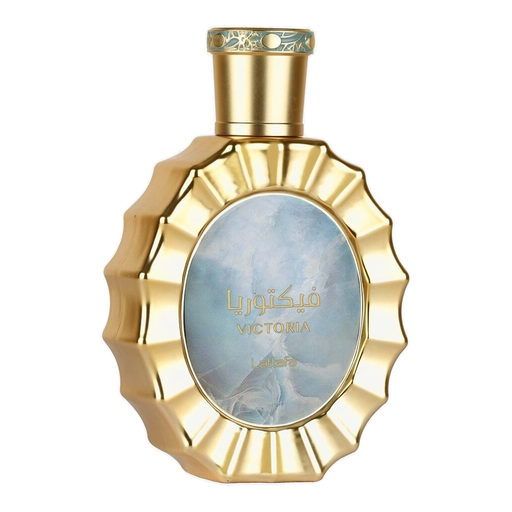
Why it suits this profile: An accessible choice for anyone looking for a sweet, feminine fragrance with citrus, neroli and vanilla. The 100 ml volume is suitable for regular use.
The fragrance is chosen based on specific notes rather than just the bottle’s appearance. Sweet vanilla and lemon meringue pie make the profile easy to recognise.
100 ml volume; notes of lemon, neroli and vanilla; described as suitable for daytime.
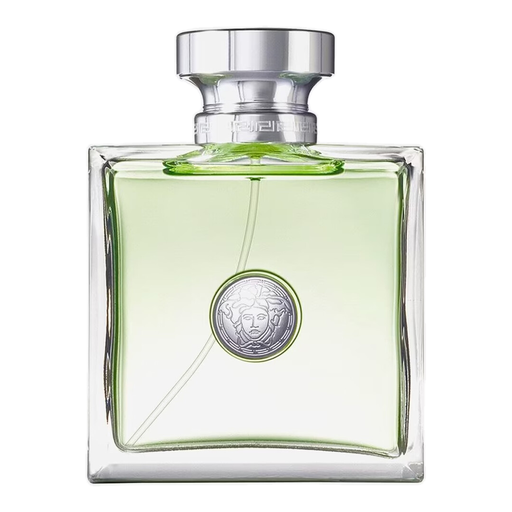
Why it suits this profile: For anyone who wants a designer perfume with fresh citrus, white flowers and woody notes for everyday wear.
The fragrance is not presented as universally suitable: the listed citrus, floral and woody accords create a clear expectation of how it smells.
50 ml size; bergamot, mandarin, fig and pear in the opening; cedar, musk and sandalwood in the base.
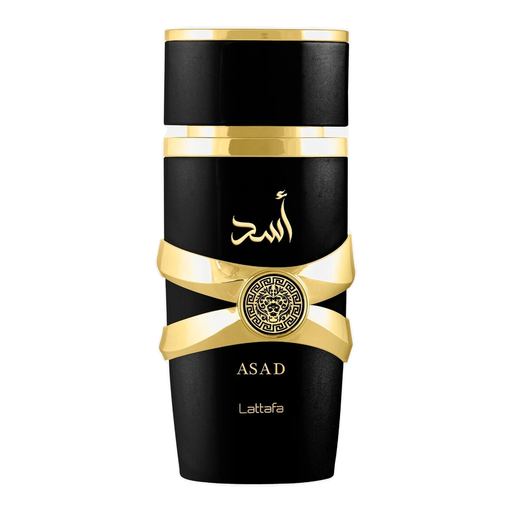
Why it suits this profile: Aimed at men who wear perfume and are looking for warm, spicy and woody fragrances for evening wear or colder days.
The choice is linked to a clear occasion. Pepper, tobacco, coffee, amber and vanilla make the profile less suitable as a light summer fragrance, but distinctive for evening wear.
100 ml volume; warm spicy, woody and vanilla accords; product information states that it is suitable for evening wear.
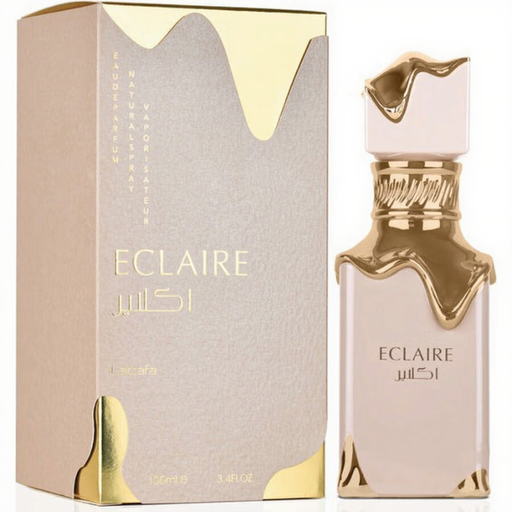
Why it suits this profile: For users deliberately choosing a creamy, sweet perfume with caramel, milk, vanilla and praline.
The sweet direction is clear in advance from the listed gourmand notes. This makes it less likely that you will expect a fresh fragrance and receive a creamy one instead.
100 ml volume; caramel, milk, sugar, honey, vanilla and praline listed as notes; suitable for different occasions according to the product information.
We have put together a complete, up-to-date list of products that fully meet these strict selection criteria and the applicable European safety regulations.
Choose a fragrance with a profile you enjoy in a working environment and check the recommended occasion on the product page. Citrus, fresh florals, musk and light woody notes are often practical for daytime. First spray a small amount on your wrist or neck and let the fragrance develop before applying more.
For regular use, 100 ml can offer better value per millilitre. A 30 or 50 ml bottle is more convenient if you alternate between different fragrances, want to try a scent first or are buying perfume as a gift. Always compare volume and price together.
No. Perfume oil is an oil-based fragrance formula, whereas eau de parfum is generally an alcohol-based perfume category. With a natural oil such as Regina Roses 100% Natural Rose Oil, you should follow the usage instructions and any dilution guidance. For every product, check the ingredients, intended use and safety warnings on the packaging.
