
Same-day & Next-day Delivery

Quality Guaranteed

Unlock Your Welcome Offers: FREE Delivery | Up to 80% OFF | Free 30-day JoyPlus trial
Download the APP
If you’re looking to buy gyoza, you’ll soon find a wide range of options: chicken gyoza, pork gyoza, prawn gyoza, beef gyoza and Chinese vegetable dumplings. The packaging often gives you an idea of the flavour, but it’s not always clear how much you get, how to cook the dumplings or which allergens they contain.
Use these practical tips to avoid a disappointing purchase and choose frozen gyoza to suit your household, cooking method and preferred portion size.
Gyoza dumplings, Japanese dumplings and Chinese dumplings look similar, but differ in their fillings, dough and cooking methods. For example, a product with “shrimp” on the front may also contain fish, soya, sesame or wheat. Always check the ingredients and allergen information on the product page and packaging.
A 1.5 or 2-kilo pack can be good value for a family, but less practical if you only need one portion. Check the net weight, the number of pieces if stated, and how much freezer space you have. Individually frozen products are also easier to portion out for each meal.
Not every dumpling is meant to be cooked in the same way. Some products are suitable for pan-frying, steaming and deep-frying, while ha kau prawn dumplings are generally sold for steaming. Thawing frozen dumplings first can affect their texture, so follow the instructions on the label.
First, choose the flavour you’re after:
Allergen information is important when choosing food. The products mentioned may contain wheat/gluten, soya, sesame, egg, fish and crustaceans. Check the latest product packaging every time you buy.
Packs of 300 to 500 grams are easy to manage if you’re stocking up on a small amount. A 600-gram pack is handy for feeding several people. If you regularly cook Asian frozen food, you could consider a value pack, such as 3 × 500 grams or 2 × 1 kilo.
Remember to store the dumplings frozen at the temperature stated on the packaging. Once thawed, keep them refrigerated and use them within the stated time. Refreezing these products is not recommended.
Pan-frying gyoza gives them a crispy base. A common method is to fry them briefly in oil, add water, cover the pan and then let the liquid evaporate. Steaming gyoza keeps the dough softer. Boiling is particularly handy for larger Chinese dumplings.
Examples from the product specifications:
Always follow the instructions on the packaging, as cooking times vary depending on the size and filling.
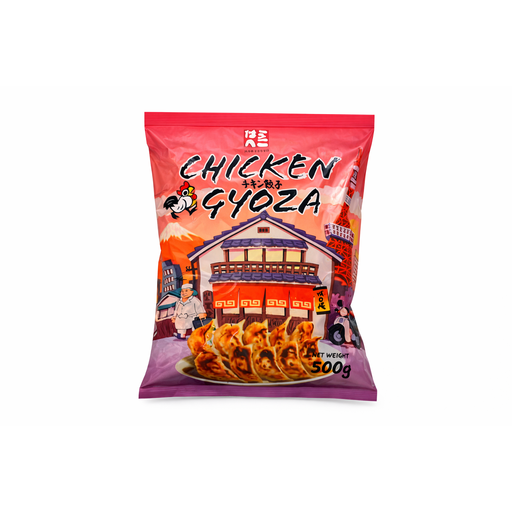
Why it suits this profile: A manageable pack size for anyone trying gyoza for the first time and keen to try different cooking methods.
The product lists pan-frying, deep-frying and steaming as cooking options, so you’re not limited to just one method.
500 grams; chicken and vegetable filling; nutritional information lists 147 kcal per 100 grams.
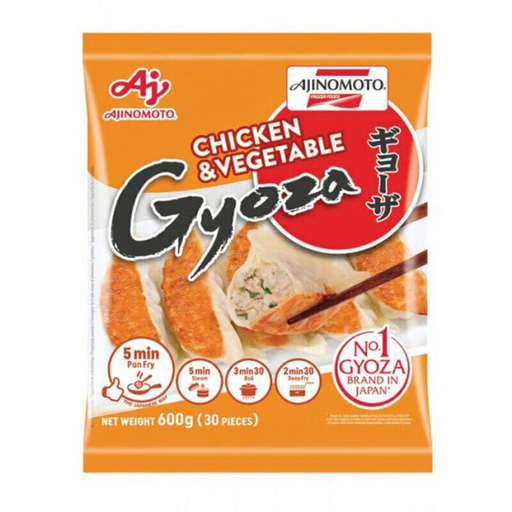
Why it suits this profile: A medium-sized pack with clear information about the filling, nutritional values and cooking options.
The product information clearly lists chicken, cabbage, onion and garlic, and identifies gluten, soya and sesame as allergens.
600 grams; suitable for pan-frying, steaming and boiling; around 180 kcal per 100 grams according to the product specifications.
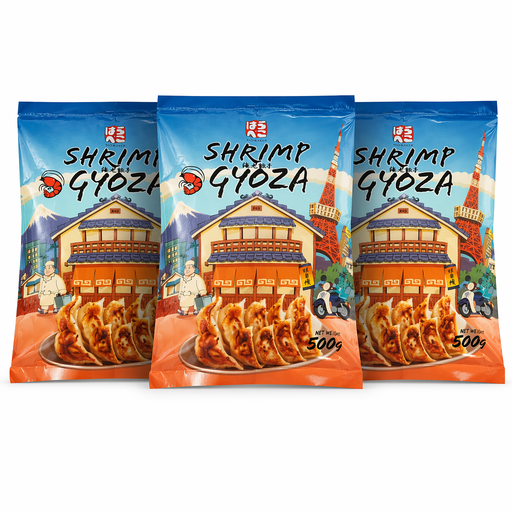
Why it suits this profile: The large pack is a good fit for families, prawn lovers and households that often prepare quick meals.
The quantity is clear: three 500-gram packs. The instructions cover pan-frying, deep-frying and steaming from frozen.
1.5 kilos in total; prawn filling; 169 kcal and 7.3 grams of protein per 100 grams according to the product information.
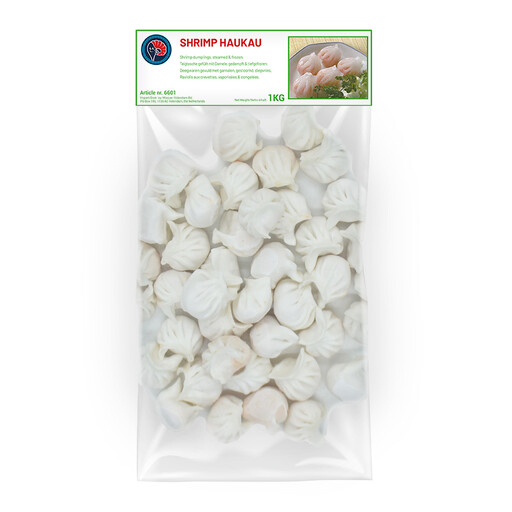
Why it suits this profile: A generous pack for anyone looking to serve ha kau prawn dumplings as dim sum, a side dish or a snack to share.
The product description makes clear that these are steamed prawn dumplings and states that they come in a 1-kilo IQF pack.
1 kilo; individually quick-frozen according to the product description; 153 kcal per 100 grams.
We’ve put together a complete, up-to-date list of products that meet these strict selection criteria and the applicable European safety regulations.
Gyoza is a Japanese style of dumpling, often made with thin dough and filled with meat, prawns or vegetables. Online shops sometimes use the terms interchangeably, so it’s best to check the ingredients, size and cooking method.
Many products can be cooked this way. KHY Chicken Gyoza and KHY Shrimp Gyoza, for example, include instructions for adding the dumplings to the pan while still frozen. Always check the label, as cooking times and the amount of water can vary between products.
Keep the pack in the freezer at the temperature stated on the label. Once thawed, keep the product refrigerated and use it within the stated time. Don’t refreeze thawed gyoza.
