
Vandaag of morgen in huis

Kwaliteit gegarandeerd

Welkomstaanbiedingen ontgrendelen: GRATIS bezorging | Tot 80% korting | Gratis 30 dagen JoyPlus-proefperiode
Download de app
Coconut milk is a staple ingredient in Thai curries, soups, smoothies, desserts and baking recipes. However, packs can vary considerably in fat content, volume, texture and composition. A 400 ml tin may look much the same as a 1-litre carton, but the result in your dish can be quite different.
Pay particular attention to three common pitfalls:
The fat content has a major influence on flavour and texture. For rich Thai coconut milk or coconut milk for curries, varieties containing around 17–19% fat are often a practical choice. They give sauces, soups and desserts a fuller texture.
A product with 5–7% fat, such as Green Life, is lighter. This may be suitable for smoothies, soups or recipes where you do not want an intense coconut flavour. Also check the nutritional information per 100 ml: the fat content shown on the front and the nutritional information should correspond logically.
The base usually consists of coconut extract and water. Stabilising agents, thickeners or emulsifiers may also be added. This is not automatically a problem, but it is useful information if you are looking for a short ingredients list.
For example, Aroy-D Coconut Milk 19% lists coconut extract and water as its ingredients. Go-Tan lists 99.55% coconut milk and guar gum. KARA contains, among other ingredients, E435 and E466 in addition to coconut extract and water. So compare products based on their full composition, not just the brand name or packaging.
An unopened tin of coconut milk can be stored for a long time, according to the date on the packaging. UHT coconut milk in a carton is also suitable for keeping in your cupboard. Once opened, store the product according to the instructions on the label. For tinned coconut milk, some brands’ product information advises transferring the contents to a non-metallic storage container.
Coconut milk naturally contains no dairy, so many varieties are suitable for a vegan or lactose-free diet. However, always check the current label, especially for prepared desserts or flavoured products.
A product listing may state “vegan” or “lactose-free”, but if you have allergies, check the allergen information on the packaging. Coconut is not listed in exactly the same way in all European allergen guides, while individual sensitivities are still possible.
If you are looking for organic coconut milk, look for a valid organic certification mark and the organic designation in the ingredients list. Fairtrade and organic are also separate certifications: a product may carry one mark without automatically carrying the other.
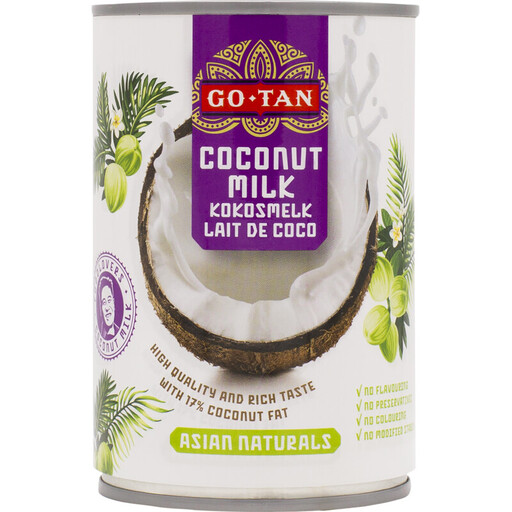
Why it suits this profile: The 400 ml volume is suitable for many recipes prepared by home cooks. According to the product information, this variety contains more than 17% fat and can be used straight away in dishes, biscuits and drinks.
The clear portion size helps prevent you from buying a litre for a one-off recipe. The product information also states that it contains no preservatives, flavour enhancers or artificial colours or flavourings.
400 ml volume; 17 g fat per 100 ml according to the product information; suitable for vegetarian and vegan recipes.
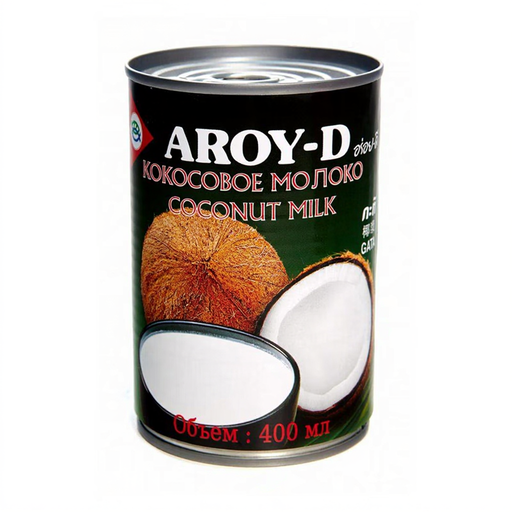
Why it suits this profile: This Thai coconut milk is aimed at shoppers who value a short ingredients list and a high fat content for curries, soups and desserts.
There is no need to rely on vague terms on the front: the product details state 19% fat and list only coconut extract and water as ingredients.
19 g fat per 100 ml; 400 ml tin; product information states that it contains no stabilisers or other additives.
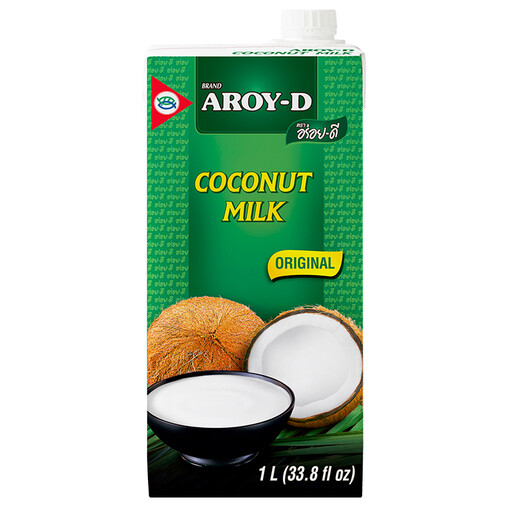
Why it suits this profile: The 1-litre pack is well suited to larger households, meal prep and kitchens where coconut milk is used regularly for curries, soups or baking recipes.
The large pack means you do not need several small tins, but it only makes sense if you use the contents in good time. The product details state 19 g fat per 100 ml.
1-litre volume; suitable for vegetarian and vegan recipes according to the product information; suitable for both sweet and savoury dishes.
We have put together a complete, up-to-date list of products that fully meet these strict selection criteria and the applicable European safety regulations.
No. Coconut cream generally contains a higher concentration of coconut extract and is thicker. Coconut milk is usually more fluid and is sold in a range of fat contents. Check the ingredients and nutritional information if you are looking for creamy coconut milk.
For a richer sauce, many home cooks choose a variety containing around 17–19% fat. Aroy-D, Go-Tan, KARA and similar products fall within this range. The right choice also depends on the recipe, the consistency you want and other ingredients such as stock or vegetables.
Always follow the instructions on the label. In practice, opened coconut milk should be refrigerated and preferably transferred to a suitable sealed storage container. Use the product within the stated period. A small 165 ml or 270 ml pack can be useful when you only need a limited amount.
