
Vandaag of morgen in huis

Kwaliteit gegarandeerd

Welkomstaanbiedingen ontgrendelen: GRATIS bezorging | Tot 80% korting | Gratis 30 dagen JoyPlus-proefperiode
Download de app
Buying chocolate sounds simple, until you have to choose between milk chocolate, dark chocolate, Belgian chocolate, filled bars and large sharing packs. Attractive packaging often tells you little about the flavour, ingredients or whether a product is right for your needs.
The most common pitfalls:
For dark chocolate, the cocoa percentage is an important point of comparison. A 70% cocoa bar, such as Tony's Chocolonely Pure 70% Dark Chocolate, has a different balance of cocoa and sugar from a 90% bar, such as Lindt Excellence 90% Cocoa Supreme Dark.
Use this practical guide:
Bear in mind that the percentage does not determine the entire flavour profile. Orange, hazelnuts, caramel or a smooth filling can significantly change the taste.
Check the ingredients list when looking for chocolate with hazelnuts, chocolate with caramel or a fruit variety. Do not rely only on the front of the packaging. For example, Lindt Excellence Caramel Hazelnut states that the bar contains at least 47% cocoa, as well as caramelised hazelnuts and caramel pieces.
For people with allergies, the allergen information is decisive. The products mentioned may contain the following ingredients or traces:
A product description may differ from the packaging you receive. Always check the current label before eating the product, particularly if you have allergies or intolerances.
A 90 or 100 g bar is practical for one household or as a small gift. Larger 150 to 200 g formats are more convenient for sharing, but remain exposed to air and moisture for longer once opened.
When buying a gift, consider:
Store chocolate in a cool, dry place, away from direct sunlight and heat sources. A refrigerator can cause condensation, which may affect the texture and appearance. Always follow the storage instructions on the packaging.
The selection below is based on verifiable information from the product descriptions, such as cocoa percentage, weight, ingredients and allergens.

Why it suits this profile: A straightforward 100 g bar with 70% cocoa is an accessible way to try dark chocolate without going straight for a particularly intense variety.
The cocoa percentage is clearly stated, so you do not have to rely solely on the packaging or brand name.
100 g, at least 70% cocoa and a short ingredients list containing cocoa mass, sugar, cocoa butter and vanilla.

Why it suits this profile: Ideal if you are looking for a pronounced dark chocolate flavour and want to pair your chocolate with coffee, for example.
The high cocoa percentage makes it clear from the outset that this is not sweet milk chocolate.
100 g, 90% cocoa and, according to the product information, a very short ingredients list. May contain hazelnuts, nuts, milk and soya.
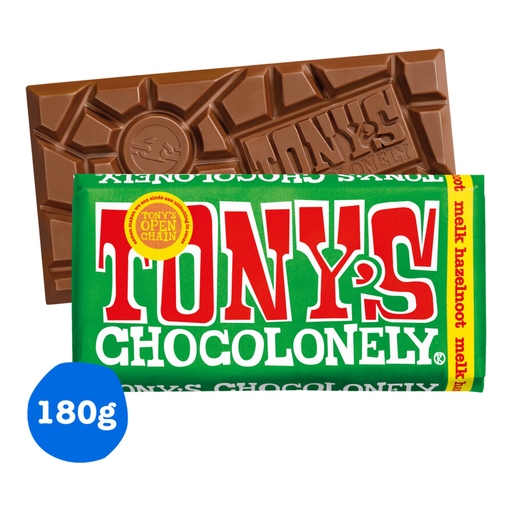
Why it suits this profile: The 180 g size is ideal for sharing, keeping in the cupboard or enjoying as a more substantial snack.
The product information states both the weight and the minimum 32% cocoa and 10% hazelnut content, making the proportions more transparent.
Belgian milk chocolate with crunchy hazelnut pieces; contains milk, soya and hazelnuts.
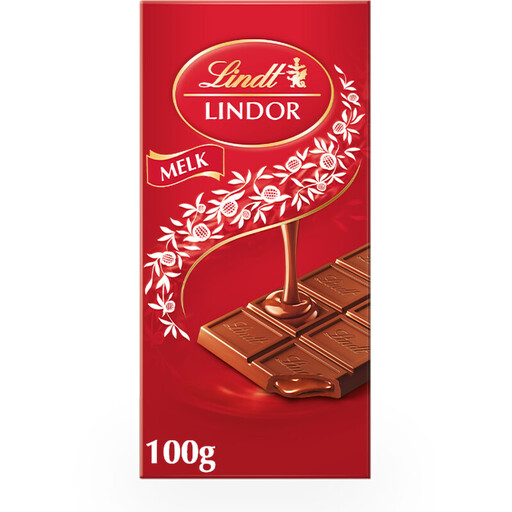
Why it suits this profile: If you want smooth milk chocolate with a melting filling, you get a clearly different product type from a classic chocolate bar.
The description explicitly mentions the smooth, melting filling and the 100 g weight.
Swiss milk chocolate with a smooth filling; contains milk, lactose, soya and gluten-containing cereals.
We have compiled a complete, up-to-date list of products that fully meet these strict selection criteria and the applicable European safety regulations.
Look for dark chocolate with a higher cocoa percentage, such as 70%, 78% or 90%. Also check the nutrition table. A higher percentage does not automatically mean the product will suit every taste; the bar may taste more bitter.
Store chocolate in a cool, dry place, away from direct sunlight, heat and moisture. Keep the packaging properly sealed after opening. On delivery, check that the packaging has not been damaged and consult the label for best-before information.
A bar with an unusual flavour profile, a larger size or individual portions can make a suitable chocolate gift. Consider chocolate with hazelnuts, caramel, orange or dates. Check the allergens in advance and choose a size suitable for one recipient or a group.
