
Vandaag of morgen in huis

Kwaliteit gegarandeerd

Welkomstaanbiedingen ontgrendelen: GRATIS bezorging | Tot 80% korting | Gratis 30 dagen JoyPlus-proefperiode
Download de app
Buying chocolate biscuits online may seem straightforward, but product photos and flavour descriptions do not tell you everything. For example, a small packet may appear attractively priced, while costing more per 100 grams. Terms such as “chocolate”, “filled” or “premium” can also create a different impression from the one confirmed by the ingredients list.
This practical guide focuses on the points that really matter to consumers in the Netherlands: ingredients, allergens, quantity, nutritional values, packaging and storage advice. Afterwards, you’ll find some popular choices for home, on the go, at the office or with a cup of coffee.
Packaging may say “chocolate flavour” or “chocolate flavour”, even when the product mainly contains cocoa, flavourings or a compound chocolate coating. So check the ingredients list. Does it state a percentage of cocoa, chocolate or chocolate chips? According to the product information, Chips Ahoy! Crispy Cookies, for example, contain at least 20% chocolate chips. quduoduo Chunky Cookies list at least 9% chocolate.
That percentage does not tell you everything about the flavour, but it does help you compare products more objectively. Also look at the difference between filled biscuits, biscuits with a coating and classic chocolate chip cookies.
Do not compare only the price per packet. A 40 or 70-gram bag is convenient for taking with you, while a 200 or 260-gram box may offer better value for a family or office. Ideally, calculate the price per 100 grams and check how many portions you actually get.
Individually wrapped portions are practical for lunchboxes and snacks on the go. However, they do not automatically limit the total amount you eat. With multipacks, it is therefore also useful to check the portion size.
Asian biscuits, Japanese snacks and chocolate biscuits regularly contain wheat, milk and soya. Products with hazelnuts, pistachios or other nuts require extra care. Always check the current packaging, particularly if you have an allergy or intolerance. Online product information can change, and the wording on the packaging takes precedence.
First check whether the product suits your dietary preferences. Many chocolate biscuits contain:
The Meiji Strawberry Chocolate Chocorooms Biscuits product page, for example, lists wheat and milk as allergens. Sarelle Milk Chocolate Coated Hazelnut Wafer lists wheat, milk, hazelnuts and soya, with possible traces of other nuts.
A small 33 to 50-gram format is suitable for a bag, desk or lunchbox. For sharing with several people, sizes such as 115, 140, 200 or 260 grams make more sense. Also check whether the packaging can be resealed. Crunchy biscuits lose their texture more quickly if they are not properly sealed after opening.
Use the nutrition table to compare different biscuits fairly. Pay particular attention to:
These figures are not a judgement on the product. They mainly help you choose something that suits the occasion: a small snack for the journey or a larger pack for a coffee break at home.
Most chocolate biscuits and chocolate-coated wafers should be stored in a cool, dry place away from direct sunlight. Heat can soften a coating, while moisture reduces crunchiness. Check the best-before date on the packaging, particularly for imported Japanese snacks and other Asian biscuits. Do not use a product if the packaging is damaged.

Why it suits this profile: A familiar size for anyone who wants to try classic chocolate chip cookies without immediately buying a large pack.
The product information states 85 grams and at least 20% chocolate chips, allowing you to check the quantity and chocolate content.
Crunchy texture, 85-gram quantity and clear allergen information for wheat, soya and milk.
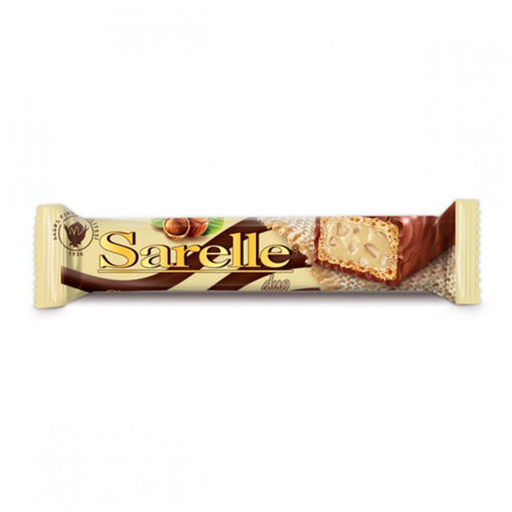
Why it suits this profile: For anyone looking for more than a standard biscuit and who appreciates a combination of wafer, hazelnut filling and milk chocolate.
The product description specifies the three layers and lists hazelnuts, milk, wheat and soya as allergens.
A 33-gram portion, crunchy wafer layers and a milk chocolate coating with hazelnut filling.
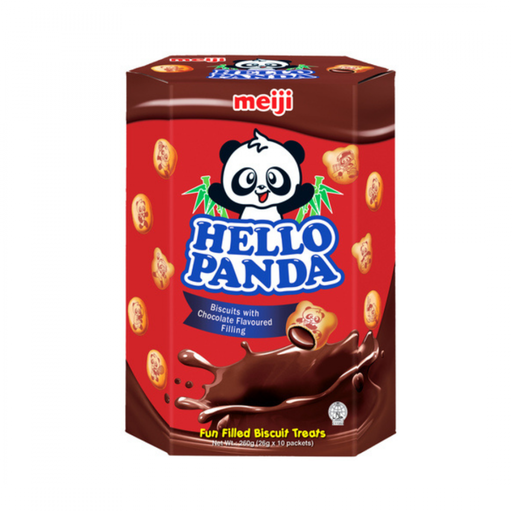
Why it suits this profile: The large format is ideal for families, treats and keeping a supply for several snack occasions.
The 260-gram quantity is clearly stated in advance, making it easier to choose the right size for sharing and storage.
Filled biscuits with a crunchy exterior, a large family-size format and allergen information for wheat, milk and soya.

Why it suits this profile: The compact packaging and biscuit sticks are ideal for small snack breaks at the office, while travelling or in a lunchbox.
The 47-gram size and the described chocolate coating make it clear that this is a portion pack, not a large bag for stocking up.
Crunchy biscuit sticks with chocolate flavour, a compact size and allergen information for wheat, milk and soya.
We’ve put together a complete, up-to-date list of products that fully meet these strict selection criteria and the applicable European safety regulations.
Choose a pack of approximately 33 to 70 grams or a product with individually wrapped portions. Chocolate-coated wafers, Pocky sticks and small filled biscuits are easy to take with you. Do check that the packaging closes securely, and avoid leaving chocolate in a warm car for long periods.
This depends on the packaging and storage advice. Store biscuits in a cool, dry place away from direct sunlight. Seal an opened bag securely or use an airtight container. Also check the date on the packaging and look out for changes in smell, flavour, colour or crunchiness.
Look at the size, allergens and packaging. Small portions can be convenient for school or while travelling. If your child has an allergy, always check the label for wheat, milk, soya, egg and nuts. The nutrition table also helps you compare products with different amounts of sugar, fat and salt.
