
Vandaag of morgen in huis

Kwaliteit gegarandeerd

Welkomstaanbiedingen ontgrendelen: GRATIS bezorging | Tot 80% korting | Gratis 30 dagen JoyPlus-proefperiode
Download de app
Breakfast cereals and rice may seem like simple store cupboard staples, but the range varies considerably in ingredients, preparation and pack size. If you only look at the front of the packaging, you could end up paying more for a product that does not suit your everyday needs. This applies both when buying breakfast cereals and when choosing a 1, 5, 10 or 20 kg bag of rice.
The main pitfalls are:
A serving shown on the packaging may be small, making the figures appear favourable. So compare the values per 100 grams first. Pay particular attention to:
For example, Weetabix Breakfast Cereal lists 95% wholegrain cereals, 10 grams of fibre and 4.2 grams of sugar per 100 grams. According to the product information, Brinta Whole Wheat Cereal consists of 100% wholegrain wheat and contains 10 grams of fibre per 100 grams. These are verifiable specifications; they do not represent a general guarantee of a healthy diet.
The difference between muesli varieties can be considerable. Bolletje Crunchy Muesli Nut Mix lists 5 grams of sugar and 13 grams of fibre per 100 grams. According to the product information, Kellogg’s Tresor Chocolate Hazelnut contains 26 grams of sugar and 3.6 grams of fibre per 100 grams. So if you are looking for healthy breakfast cereals, it is worth checking the full table rather than just the product name.
Ingredients are listed in descending order by quantity. If wholegrain wheat, oats or another cereal appears first, it generally makes up a larger proportion of the product. For combined cereals, also check the percentages.
For a simple wholegrain breakfast, products with a short ingredients list are often easier to assess. According to the product information, Zonnatura Organic Whole Wheat Oatmeal contains 100% organic wholegrain oats. Quaker Oatmeal lists 100% wholegrain oats and 9 grams of dietary fibre per 100 grams.
A product carrying a claim such as “no added sugar” may still contain naturally occurring sugars. So check the nutritional information and see whether sweeteners, syrups or dried fruit have been added. Claims made by a brand about effects or benefits should be read as brand statements; always check the packaging and the legally required information.
Porridge oats, Brinta and fine cereal flakes are suitable for a warm bowl with milk or water. Some products only need soaking, while others need to be cooked for several minutes. Instant porridge is particularly convenient at work, on the go or when you want to prepare a small portion quickly.
According to the product information, SEAMILD Tri-Colour Quinoa Mixed Grain Cereal can be prepared with 40 grams of cereals and 200 millilitres of boiling water or milk. Preparation takes approximately three to five minutes. MAMA Instant Porridge Seafood Cup contains dehydrated rice flakes and is intended to be prepared with boiling water. Pay extra attention to allergens in savoury instant porridge: this product contains crustaceans, fish, milk, soya, wheat, barley and celery, among other ingredients.
The type of rice largely determines its texture after cooking:
As well as the type, check the cooking instructions. For example, Hanako Short Grain Japonica Rice recommends rinsing, a rice-to-water ratio of approximately 1 to 1.1 and resting the rice after cooking. According to the product information, AROY-D Riceberry Rice requires approximately 2 to 2.5 parts water per part rice and a longer cooking time. These differences can make a noticeable difference to your planning.
Storage is important when buying larger packs. Store rice in a dry, cool place away from direct sunlight. Seal the packaging securely after opening. A 20 kg bag makes most sense for large families, frequent rice eaters or professional use. For a smaller household, a 1 to 5 kg pack may be more practical, even if the price per kilo is slightly higher.
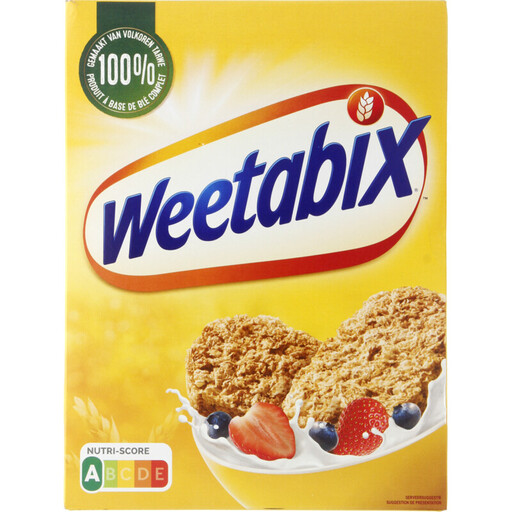
Why it suits this profile: A straightforward pack for anyone wanting to try a simple wholegrain breakfast with milk, yoghurt or fruit.
The product information clearly states 95% wholegrain cereals, 10 grams of fibre and 4.2 grams of sugar per 100 grams.
Wholegrain wheat as the main ingredient, 430 grams of product and several serving options.
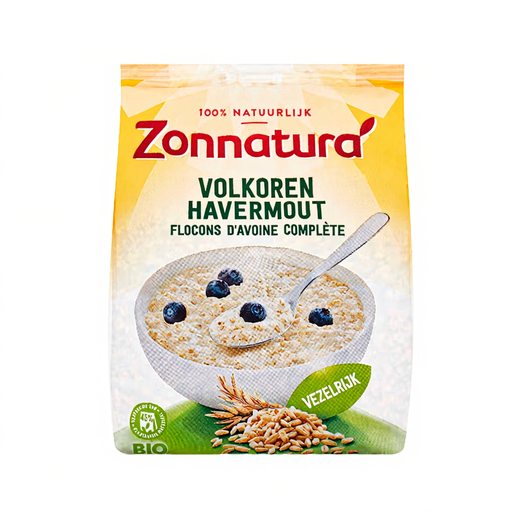
Why it suits this profile: Suitable for anyone who values a short ingredients list and organic wholegrain oats.
The product information states 100% organic wholegrain oats, without a long list of flavourings.
11 grams of fibre, 1.7 grams of sugar and 500 grams of product per pack.
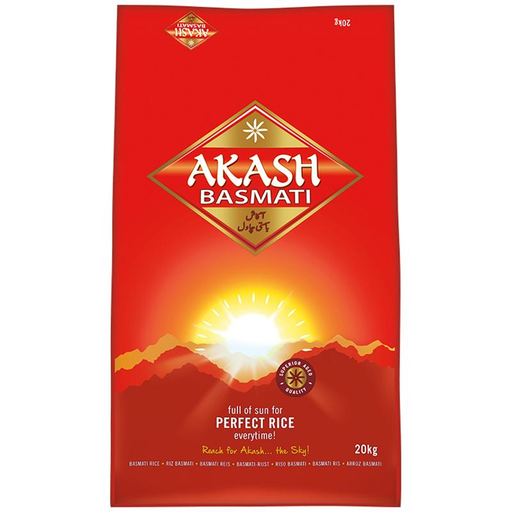
Why it suits this profile: A generous option for families, high-volume users, restaurants and fans of curry, pilaf or biryani.
The product type and quantity are clearly stated: 100% rice, basmati and 20 kilos. However, make sure you have enough dry storage space.
Large pack, long grain and suitable for a range of rice dishes.
Compare the proportion of wholegrain cereals, fibre, sugar and salt per 100 grams. Porridge oats, Brinta and wholegrain wheat products are practical options when you are looking for a simple base. Add your own fruit, yoghurt or nuts if they fit into your diet.
Store the rice in a dry, cool place away from direct sunlight. After opening, use a well-sealed storage container or carefully reseal the original bag. Check the use-by information before use and follow the instructions on the packaging.
Choose short-grain Japonica or sushi rice. The product information describes Hanako Short Grain Japonica Rice as suitable for sushi, onigiri and rice bowls. Basmati rice and jasmine rice have a different grain structure and are generally intended for other dishes.
We have put together a complete, up-to-date list of products that fully meet these strict selection criteria and the applicable European safety regulations.
