
Vandaag of morgen in huis

Kwaliteit gegarandeerd

Welkomstaanbiedingen ontgrendelen: GRATIS bezorging | Tot 80% korting | Gratis 30 dagen JoyPlus-proefperiode
Download de app
Buying beer online gives you access to much more than standard lager. You can find Belgian beer, international beer, speciality beer, alcohol-free beer and larger packs for a barbecue or party. This wide choice makes comparing products useful, but it can also be confusing.
Pay particular attention to these common pitfalls:
Start by choosing a type of beer that suits the occasion. Pilsner and lager beer are generally intended as refreshing, easy-drinking options. For dinner, you could also consider a fruitier or more distinctive profile.
The differences between speciality beers can be considerable:
A product description is a useful guide, not a guarantee of your personal taste. Descriptions such as “refreshing” or “full of flavour” are subjective. So look for verifiable information such as ingredients, alcohol content and volume.
The alcohol content partly determines how you might enjoy a beer. A pilsner of around 5% ABV, for example, suits a drinks gathering or barbecue, while a stout or strong blonde beer at 7% to 8.5% may be better enjoyed slowly.
Also pay attention to the volume:
Drink alcohol responsibly. Alcohol is not suitable for pregnant people or under-18s. If you have allergies, always check the label; many beers contain barley, wheat or other gluten-containing grains.
Cans and bottles both offer practical benefits. Cans are often light and easy to chill. Bottles are regularly chosen for speciality beers or serving occasions. Before use, check that the seal is not damaged.
Store beer in a cool, dry place away from direct sunlight. Avoid major temperature fluctuations. The precise shelf-life information is shown on the packaging. With international products, the product page may contain less detail than the final label.
If you are specifically looking for products containing barley, wheat or other gluten-containing grains, you can also browse the range of gluten-containing beer. Check the current ingredients list there too before buying.
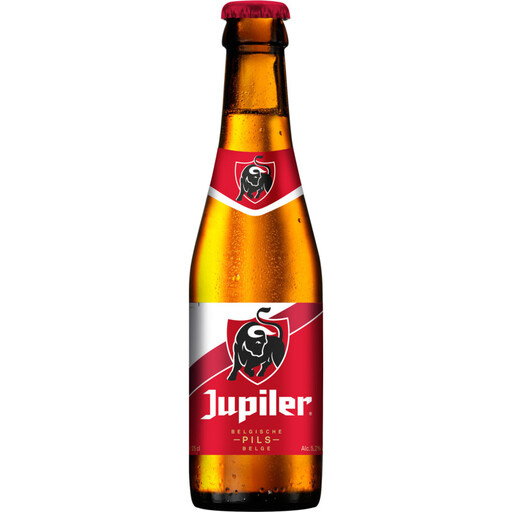
Why it suits this profile: The 250 ml size is easy to manage when you want to try a familiar Belgian pilsner without immediately ordering a large pack. According to the product information, the beer contains 5.2% alcohol.
The smaller size reduces the chance of buying too much before you know the flavour profile. Check the allergen information on the packaging; the product information lists barley and gluten.
Belgian pilsner, 250 ml per pack and a clearly stated alcohol content of 5.2%.
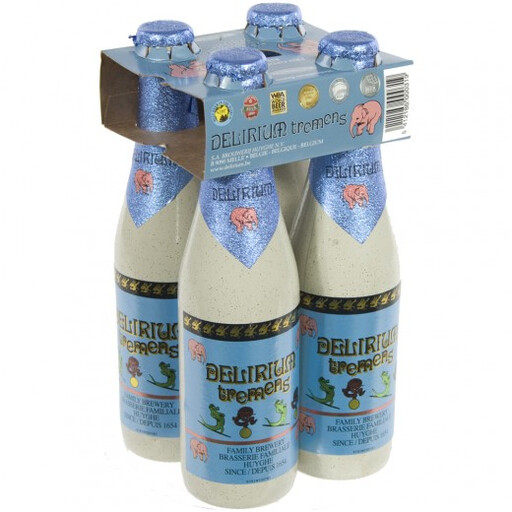
Why it suits this profile: This strong Belgian blonde beer is supplied as a set of four 330 ml bottles. The product information states an alcohol content of 8.5% and a serving temperature of 3–6 °C.
The alcohol content is clearly stated, so you will not mistake a strong beer for an ordinary lager. The set is limited in size and suitable for a small tasting occasion.
Four 330 ml bottles, origin Belgium, strong blonde style and clear serving advice.
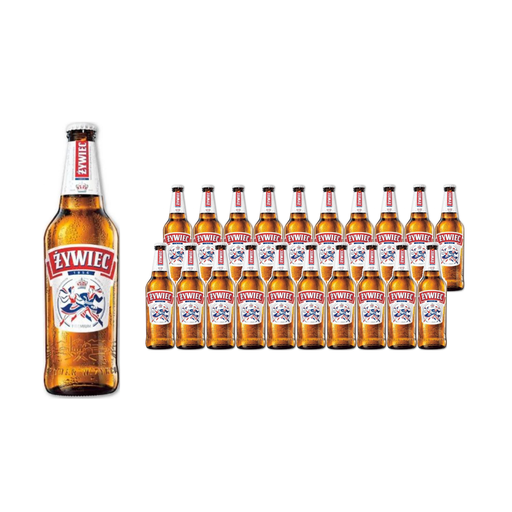
Why it suits this profile: A box with 20 500 ml bottles is ideal for parties, barbecues and replenishing your stock. The product information lists water, barley malt, maize and hops as ingredients.
The total volume and number of bottles are clear from the outset. This means you can calculate the price per litre instead of looking only at the pack price.
20 bottles, 500 ml per bottle and suitable for larger social occasions or managing your stock.
We have put together a complete, up-to-date list of products that fully meet these strict selection criteria and the applicable European safety regulations.
That depends on the packaging, delivery costs and any deposit or shipping charges. Compare the price per litre, not just the total price. A beer pack with small bottles may cost more per litre than beer by the crate, but it does offer more variety.
The best-before date varies by product and packaging. Store beer in a cool, dry place away from direct sunlight. When it arrives, check the date and the condition of the bottle or can. The label on the packaging is the definitive source for precise information.
A refreshing pilsner or lager is a practical choice with a wide range of dishes. Thai beer, such as Chang or Leo, can complement spicy Asian dishes; the product information explicitly mentions these combinations. For hearty meals, you could consider a stout or strong blonde beer. With food pairing, personal preference remains the deciding factor, so a smaller beer pack can be a convenient way to compare different styles.
