
Vandaag of morgen in huis

Kwaliteit gegarandeerd

Welkomstaanbiedingen ontgrendelen: GRATIS bezorging | Tot 80% korting | Gratis 30 dagen JoyPlus-proefperiode
Download de app
Buying a vacuum cleaner seems straightforward, until you have to choose between a stick vacuum cleaner, cordless vacuum, wet and dry vacuum cleaner, floor cleaner or carpet cleaner. A model that is convenient for crumbs on a hard floor may not be suitable for pet hair, carpets or spilled liquids.
As a Joybuy Product Recommendation Officer, I filter product information based on practical points. Not big marketing claims, but verifiable specifications, usage scenarios and maintenance requirements. This helps you avoid paying for features you will barely use.
The motor power in watts indicates how much electrical power a device uses. It does not automatically tell you how much dirt the vacuum cleaner actually picks up. The brush, airflow, filters and contact with the floor also play a part.
So, alongside wattage, look for information such as Pa suction power, different settings, the type of floor brush and how the filter is maintained. A powerful vacuum cleaner may look impressive on paper, but be less practical if the battery runs out quickly on the highest setting.
With a cordless vacuum cleaner, the stated run time is usually linked to the lowest setting and a specific accessory. Battery life may be shorter when using turbo or MAX mode, on carpets or with a motorised brush.
So check:
For a flat, a compact stick vacuum cleaner may be sufficient. In a larger household with pets, an additional battery or a model with a longer run time may be more practical.
A wet and dry vacuum cleaner or floor cleaner is generally intended for specific surfaces. For example, the Tineco Floor One S5 Steam states that it is suitable for indoor hard floors such as vinyl, tiles and sealed wood. The product information warns that rough surfaces may be less suitable.
Do not use a wet appliance on untreated wood, delicate floor finishes or carpets without checking first. Also pay attention to the difference between:
Look at the combination of motor, airflow and nozzle. A motorised floor brush can help with carpets and pet hair, while a soft brush is often better suited to hard floors. An LED or laser function can make dust more visible, but it does not replace a good brush and regular maintenance.
The Laresar X11 lists three settings: 15 kPa, 28 kPa and up to 55 kPa. According to the product information, the run time varies depending on the setting. This makes it important to use the highest setting selectively rather than as the default setting throughout your home.
For households with pets, children or sensitivity to dust, filtration is an important purchase criterion. Check whether the appliance lists a HEPA filter or comparable multi-layer filtration, and whether the filter is washable or replaceable.
Claims about filter efficiency should be read as the brand’s product specification. According to Rowenta’s product information, the Allergy Clean System captures 99.99% of fine particles. According to Laresar’s product information, the HEPA system filters 99.99% of fine dust particles. These percentages are not a medical guarantee and say nothing about a specific health condition.
A larger dust container means less frequent emptying, but it can also make the appliance heavier. A 0.6-litre container, such as the one on the Rowenta RH1238, is manageable for light daily use. For a large home or households with several pets, a larger container may be more convenient.
For a wet appliance, separate clean-water and dirty-water tanks with individual capacities are practical. This allows you to see when the water needs replacing and prevents dirty water from being used again.
A self-cleaning vacuum cleaner usually rinses the brush roll or internal components according to a programme. This does not mean that maintenance is no longer required. Empty the dirty-water tank after use, allow components to dry and check the filters and brush rolls for hair. The Lubluelu T8A lists, among other features, a 910 ml clean-water tank, a 600 ml dirty-water tank and a self-cleaning cycle.
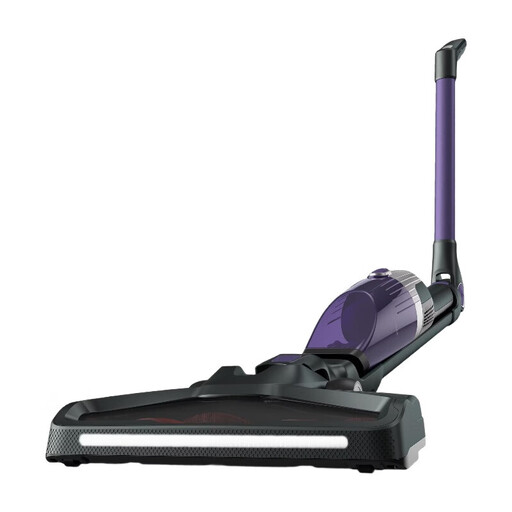
Why it suits this profile: The combination of a stick vacuum cleaner and handheld vacuum is suitable for everyday dirt, stairs, furniture and small spaces.
The product information lists a motorised nozzle and five-layer filtration, rather than relying solely on high motor power as a selling point.
550 W, a 0.6-litre dust container, washable filters and two operating configurations.
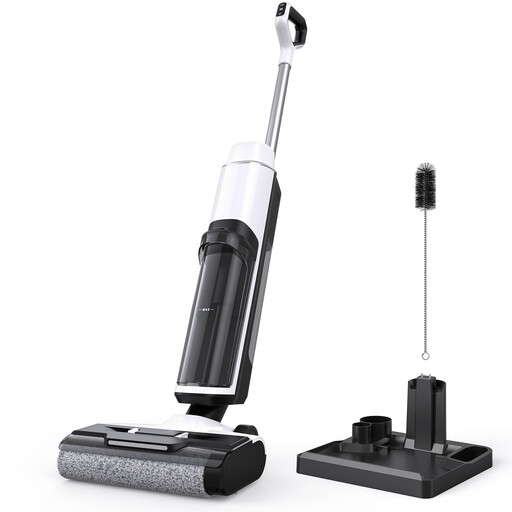
Why it suits this profile: Ideal for households that want to vacuum and wash hard floors every day without switching between appliances.
The stated maximum run time of 30 minutes and charging time of 4 hours make planning easier than a general claim about long battery life.
15,000 Pa maximum suction power, three cleaning modes and self-cleaning of the brush roll.
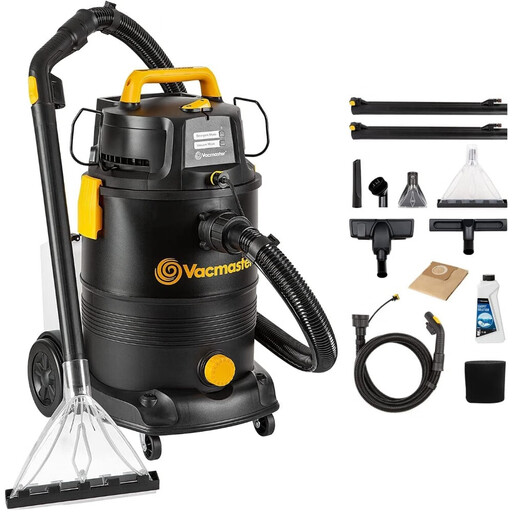
Why it suits this profile: Designed for larger cleaning jobs involving carpets, car interiors, furniture and hard floors.
Separate filters and tanks distinguish between dry vacuuming, picking up liquids and shampoo cleaning.
1300 W of power, a 30-litre collection tank, a 6-litre detergent tank and HEPA material for dry filtration according to the product information.
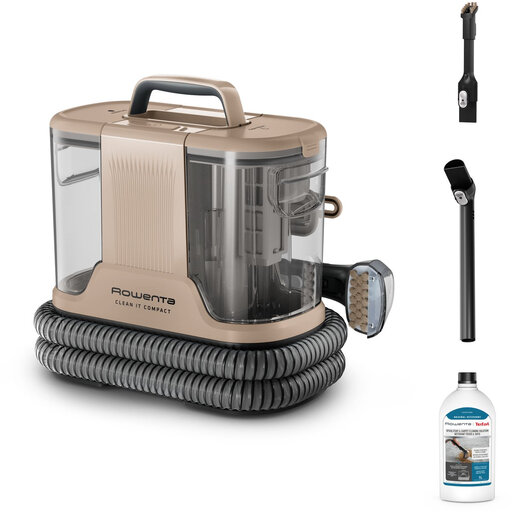
Why it suits this profile: Handy when stains regularly appear on sofas, carpets, stairs or car seats.
The appliance is intended for spot cleaning, so you do not need to use a large carpet cleaner for a single stain.
Up to 11.5 kPa of suction power, two tanks of 1.5 and 0.85 litres, and a self-cleaning accessory.
We have put together a complete, up-to-date list of products that fully meet these strict selection criteria and the applicable European safety regulations.
For tiles, laminate, vinyl and sealed wood, a vacuum cleaner with a suitable hard-floor brush is important. A floor cleaner can be particularly convenient if you also want to wash the floor. Always check whether the manufacturer explicitly considers the appliance suitable for your floor. Only use a steam function when the floor finish is suitable for it.
Service life depends on usage, maintenance, filter cleaning, battery condition and the availability of spare parts. Empty containers in good time, remove hair from the brush and allow wet components to dry. Also check the warranty and repair options. In the European Union, consumers are entitled to a minimum statutory guarantee of conformity; some brands also offer additional terms and conditions.
In addition to the purchase price, filters, brushes, cleaning solution and electricity can all add to the cost. A cordless vacuum cleaner uses a battery that needs charging and may lose capacity over time. A wet and dry vacuum cleaner may use cleaning solution and requires additional maintenance after every use. So do not compare the price alone: also consider consumables, tank capacity and how often maintenance is required.
