
Vandaag of morgen in huis

Kwaliteit gegarandeerd

Welkomstaanbiedingen ontgrendelen: GRATIS bezorging | Tot 80% korting | Gratis 30 dagen JoyPlus-proefperiode
Download de app
Buying Asian tea and drinks seems straightforward until you have to choose between powder, loose-leaf tea, ready-to-drink bottles and complete kits. Eye-catching packaging tells you little about the preparation method, ingredients or sugar content. Terms such as “authentic”, “premium” and “traditional” are also difficult to compare without clear product specifications.
This practical checklist will help you avoid a disappointing purchase. Find out what to look for when choosing Japanese matcha, Taiwanese milk tea, jasmine tea, Chinese tea, bubble tea and Asian soft drinks.
Taro, matcha, jasmine and ginger may sound self-explanatory, but the proportions vary from one product to another. Some milk teas contain mostly creamer and sugar, with a smaller amount of tea extract. In a matcha latte, matcha may make up only part of the powder or drink.
Always check:
A brand’s claim about flavour or quality is not an established fact. According to a brand’s own research, for example, a product may deliver a particular taste experience, but the ingredients list and nutritional information remain the verifiable sources.
Instant milk tea usually only requires hot water. Loose Chinese tea, Pu-erh tea or white tea, on the other hand, requires the right water temperature, steeping time and a strainer. Ready-to-drink tea can be enjoyed straight away, but once opened it often has a limited shelf life in the fridge.
Pay attention to the difference between:
A large pack may appear to offer better value, but only if you can use the contents within the recommended period. Powder absorbs moisture and odours when the bag is not sealed properly. With bottles and cartons, you need to consider fridge space and how quickly the product should be consumed after opening.
Before buying, check the net quantity, number of sachets, preparation volume and storage instructions on the product page and packaging.
The preparation instructions have a major impact on how practical a product is. An instant milk tea may, for example, require 150 ml of water at a minimum of 85 °C. Jasmine tea may be best prepared at 80–85 °C and steeped for a few minutes. According to the product description, matcha milk can be mixed with water or cold milk, which is useful for an iced matcha latte.
If you do not have a kettle or kitchen equipment at work, a powdered drink or ready-to-drink tea is a better choice. For a traditional tea-drinking experience, loose white tea, jasmine tea or Pu-erh tea is more suitable.
Do not assume that a product is “vegan” based on its name. According to the product information, JENI vegan matcha latte does not list any of the 14 major EU allergens. Oatly Oat Drink Matcha lists oats, is dairy- and lactose-free, and has a matcha content of 0.8 per cent. Oats may still contain gluten, so always check the current packaging.
Milk may be present in milk tea in the form of milk powder, whey or sodium caseinate. Non-dairy creamer therefore does not automatically mean that the drink is vegan. Pay attention to the sugar content too: Gold Kili Milk Tea lists 10.8 grams of sugar per 18-gram serving, while other products provide figures per 100 grams. Compare like with like to avoid drawing the wrong conclusions.
Sachets are convenient for one person. For a family, office or party, a box containing multiple servings may be more practical. A bubble tea kit saves you from buying tapioca pearls and straws separately. Ready-to-drink Asian soft drinks or tea are convenient for travelling, but they are heavier to carry and take up more space in the fridge.
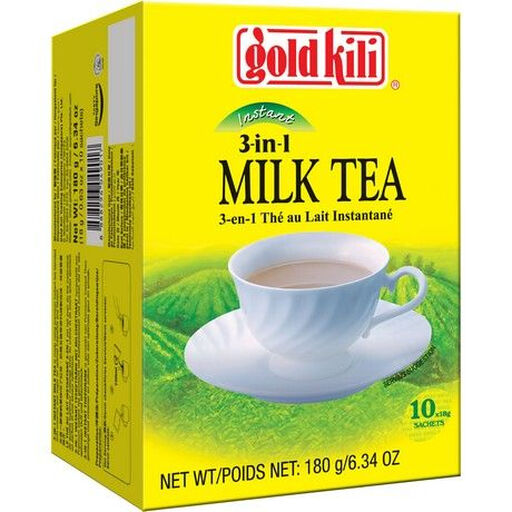
Why it suits this profile: The 18-gram individual sachets are convenient at home, while studying or in the office. Simply add hot water to each serving, with no need to measure out separate ingredients.
The product information lists the serving size, ingredients, allergens and nutritional values. This allows you to check the sugar and milk ingredients before buying.
Three-in-one powdered drink, 180 grams in total and approximately 80.6 kcal per serving according to the listed nutritional information.
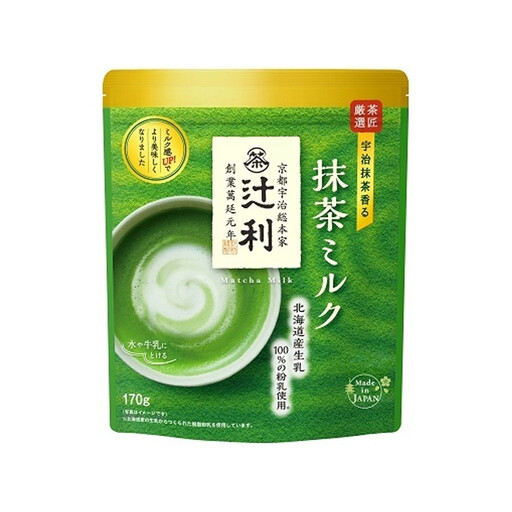
Why it suits this profile: Fans of Japanese matcha get a powdered drink containing Uji matcha and Hokkaido milk powder, according to the product description. The powder is designed to be mixed with hot water or cold milk.
Preparation is not limited to hot water: you can also make a cold matcha latte. Before buying, however, check the current ingredients and allergen information on the packaging.
170 grams, dissolves in water or cold milk, and is suitable for a hot or iced matcha latte.
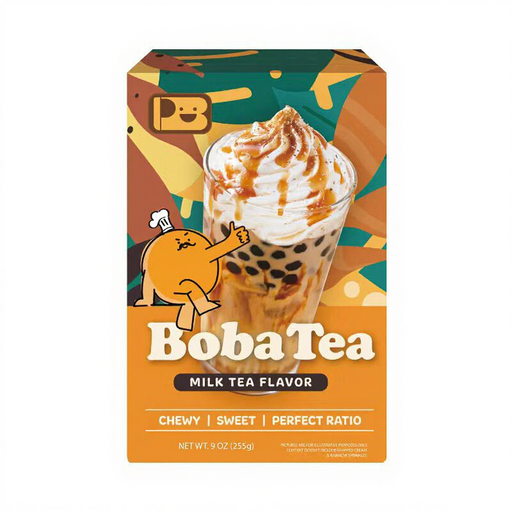
Why it suits this profile: Anyone who regularly makes bubble tea at home gets three kits containing milk tea, tapioca pearls and wide straws. It is a convenient option for a film night, guests or a small party.
The kit clearly shows which components are included. There is no need to search for powder, tapioca and straws separately; once prepared, the drink should be consumed immediately.
Three servings, 255 grams in total, with tapioca pearls and straws. The product lists milk as an allergen.
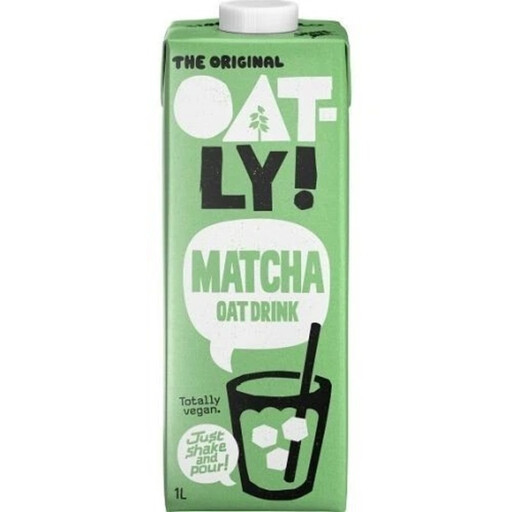
Why it suits this profile: This plant-based drink is designed to be enjoyed chilled, poured over ice or frothed to make a vegan matcha latte.
The product information clearly states 9 per cent oats, 0.8 per cent matcha powder and UHT treatment. Once opened, the carton should be refrigerated and used within 4–5 days.
Plant-based and lactose-free according to the product information, in a 1-litre carton. Contains oats; check whether it is suitable if you have a gluten allergy.
We have put together a complete, up-to-date list of products that fully meet these strict selection criteria and the applicable European safety regulations.
For a light, floral cup, Sunflower Jasmine Tea is a good choice as loose-leaf jasmine tea, served hot or cold-brewed. The instructions recommend preparing it cold in the fridge for seven to eight hours. If you are looking for Chinese tea with a gentle citrus note, consider Bama Chenpi White Tea Shoumei. Pu-erh enthusiasts can choose a product that specifies multiple infusions.
For sweeter options, taro milk tea, Taiwanese milk tea and instant milk tea are practical choices. Goldkili Red Date Tea with Longan, Delief Ginger Tea and Delief Jujubee Tea are soluble drinks containing sugar, so compare the nutritional values per serving. For drinking on the go, Nestlé Citrus Jasmine Tea and winter melon tea are ready-to-drink options that can be served chilled. HTB Sweet Rice Drink is a Korean drink containing barley extract, glutinous rice, sugar and ginger extract.
Follow the instructions on the packaging. Loose-leaf tea usually requires hot water and a strainer. For jasmine tea, for example, use the stated temperature of 80–85 °C. Dissolve instant powder in the specified amount of water, often 150 to 200 ml. A bubble tea kit may include additional steps for preparing the tapioca pearls.
Unopened powders and loose-leaf tea should generally be stored in a cool, dry place away from direct sunlight. The exact best-before date is printed on the packaging. Ready-to-drink beverages usually need to be refrigerated after opening and consumed within the stated period. Always check the label, especially for milk drinks.
No. Some matcha lattes contain milk powder or whey. Only choose a vegan matcha latte when this is supported by the ingredients and allergen information. A plant-based base, such as oat drink, may still contain allergens such as oats or gluten.
