
Vandaag of morgen in huis

Kwaliteit gegarandeerd

Welkomstaanbiedingen ontgrendelen: GRATIS bezorging | Tot 80% korting | Gratis 30 dagen JoyPlus-proefperiode
Download de app
Buying Asian drinks online can quickly lead to the wrong choice. Eye-catching packaging tells you little about the amount of sugar, the serving size or how to store the product. Terms such as “fruit”, “tea” and “zero” can also create different expectations.
Pay particular attention to these three common pitfalls:
With the right information, you can compare an Asian soft drink, Asian fruit drink, Korean drink or Japanese drink based on more than just flavour and packaging.
Start by checking the nutritional information per 100 ml. This makes different pack sizes easier to compare. Also check the total contents of a can, pouch or bottle.
A standard fruit drink may contain sugar, while a sugar-free soft drink often uses sweeteners. Both options have a different flavour profile. For example, Lipton Ice Tea Green Zero lists 0 grams of sugar and 1 kcal per 100 ml. Lipton Ice Tea Sparkling also lists 0 grams of sugar per 100 ml, but does contain sweeteners such as sucralose and acesulfame-K.
With a larger pack, it is worth calculating the total amount. A drink containing 10 grams of sugar per 100 ml contains approximately 100 grams of sugar in a 1-litre bottle. The exact information on the packaging should always be treated as the definitive source.
The name may indicate a flavour without the product consisting mainly of fruit juice. Jardin Café Real Watermelon Ade, for example, lists water, concentrated watermelon juice, sugar, carbon dioxide and citric acid. The drink contains approximately 24 kcal and 6 grams of carbohydrate per 100 ml.
Hao Wang Shui Apricot Sparkling Juice Drink lists, among other ingredients, 6% apricot, 3.5% plum and 5.1% goji berries. The drink also contains pear, hawthorn and red date. According to the product information, its nutritional value is 44 kcal and 10.8 grams of sugar per 100 ml.
If you want to buy fruit juice for everyday use, check whether you are choosing a juice, nectar or fruit drink. For a sparkling fruit drink, also look at the carbonation and the recommended way to open it.
A 230 or 330 ml can is practical for taking on the go, adding to a lunchbox or offering different flavours at a party. A box of 24 is more convenient for families, shared student houses or keeping a supply in the cupboard, but it does require more storage space.
Always check:
The label is particularly important for plant-based drinks. Yakult Vitals, for example, uses a soya base containing 5% soya beans. According to the product information, the mango and passion fruit variant contains 53 kcal and 6.6 grams of sugar per 100 ml. These are verifiable product specifications, but they do not automatically indicate any health effect.
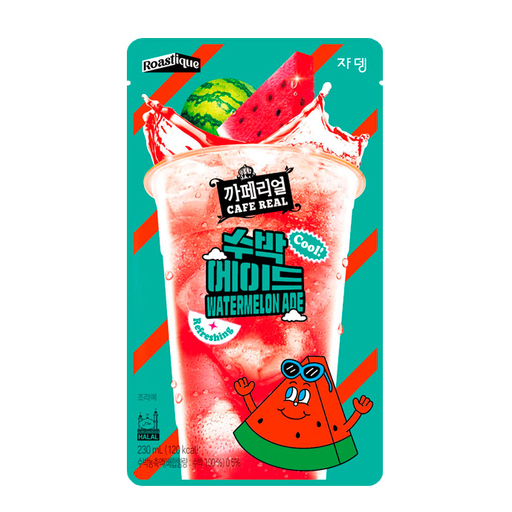
Why it suits this profile: The 230 ml serving is easy to manage and lets you try a flavour without immediately ordering a large box. The watermelon flavour and gentle fizz make it an approachable choice for a picnic or warm day.
The product information lists the contents, ingredients and nutritional value. This allows you to compare the small serving with larger multipacks.
230 ml per can; approximately 24 kcal per 100 ml; ready to drink chilled.
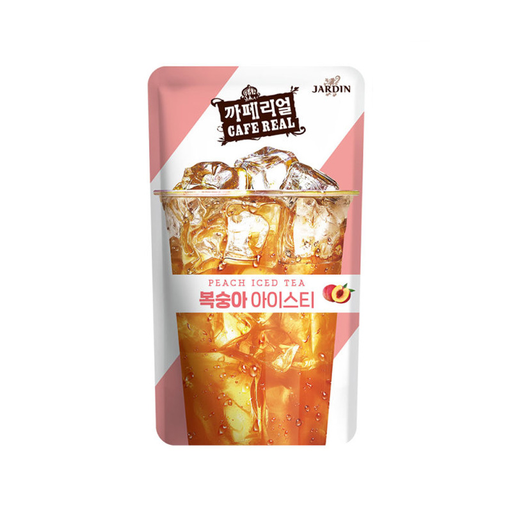
Why it suits this profile: This Korean drink combines black tea with peach flavour in a soft pouch. It is a good fit for anyone who pays attention to serving temperature, packaging and a clear fruit flavour.
The product description mentions tea extract, peach concentrate and the nutritional values: 32 kcal and 7.5 grams of sugar per 100 ml.
230 ml per pouch; intended to be served chilled; according to the product information, contains no artificial colourings or preservatives.
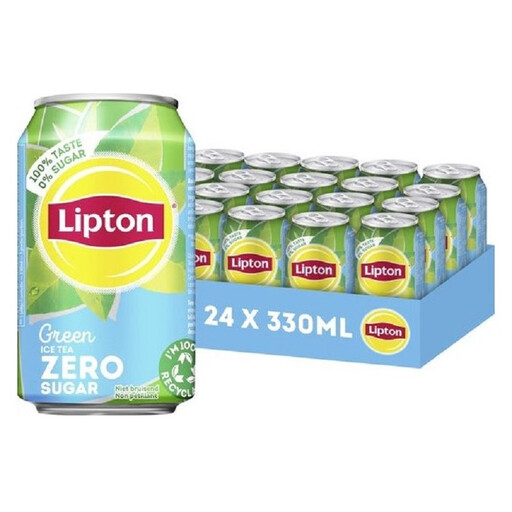
Why it suits this profile: A tray of 24 cans is ideal for everyday use, a student house, an office or a party. The green tea with citrus also works as a bubble tea alternative without any preparation.
The packaging states 330 ml per can and 0 grams of sugar per 100 ml. However, check the sweeteners if you prefer to limit them.
24 cans; 1 kcal per 100 ml; no sugar according to the product information provided.
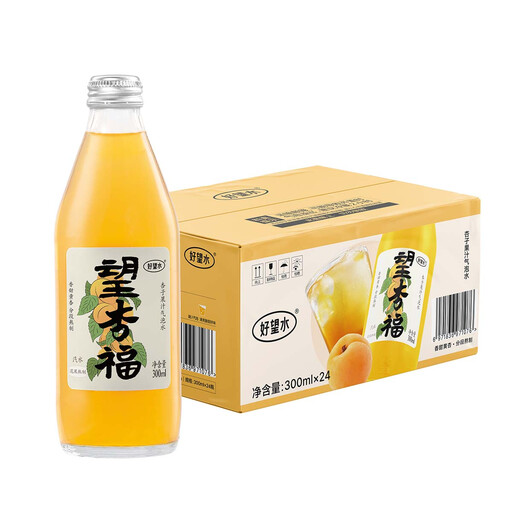
Why it suits this profile: The box of 24 300 ml bottles is practical for guests, meals and celebratory occasions. The apricot and plum flavour offers more variety than a standard soft drink.
The contents per bottle, number of bottles and nutritional value are clearly stated. With 10.8 grams of sugar per 100 ml, you know how sweet it will be in advance.
24 300 ml bottles; sparkling fruit drink; ready to drink chilled.
We have put together a complete, up-to-date list of products that fully meet these strict selection criteria and the applicable European safety regulations.
If you are looking for a hot drink, Delief Ginger Tea or Delief Jujubee Tea may be worth considering. Both products are sold as concentrated teas and can be prepared hot or over ice. Pay particular attention to the serving size and sugar content: Delief Ginger Tea lists 261 kcal per 100 grams, while Delief Jujubee Tea lists 270 kcal per 100 grams.
For an alternative with no added sugar, IAM Superjuice Coconut Water is an option to compare. The product information lists 100% coconut water, 2% real coconut pieces and no added sugar. When buying coconut water, always check the full ingredients list and storage instructions.
Japanese drinks such as ramune also have their own distinctive packaging and serving method. So compare not only the flavour, but also the contents and packaging material. For larger households, Lipton Ice Tea Peach, Lipton Ice Tea Sparkling or Yakult Vitals Strawberry in multipacks may be more convenient.
Check the nutritional value per 100 ml and review the ingredients. Lipton Ice Tea Green Zero lists 0 grams of sugar per 100 ml. According to the product information, Genki Forest Sparkling Water Summer Black Grape also lists 0 kcal and 0 grams of sugar per 100 ml. However, both products contain sweeteners or sweetening ingredients, so check the label if you want to avoid them.
Unopened drinks can often be stored in a cool, dry place away from direct sunlight. After opening, many products need to be refrigerated and used within the period stated on the packaging. A pouch or can is usually intended for single use. Always follow the manufacturer’s current storage advice.
That depends on the price per litre, delivery costs and how much you will actually use. Divide the total price by the number of millilitres to compare different pack sizes. A multipack is particularly practical if you already know the flavour, have enough storage space and can use it before the best-before date.
